
Ghana's 24-Hour Economy Push: Four Major Investment Partners Seal Landmark Deal
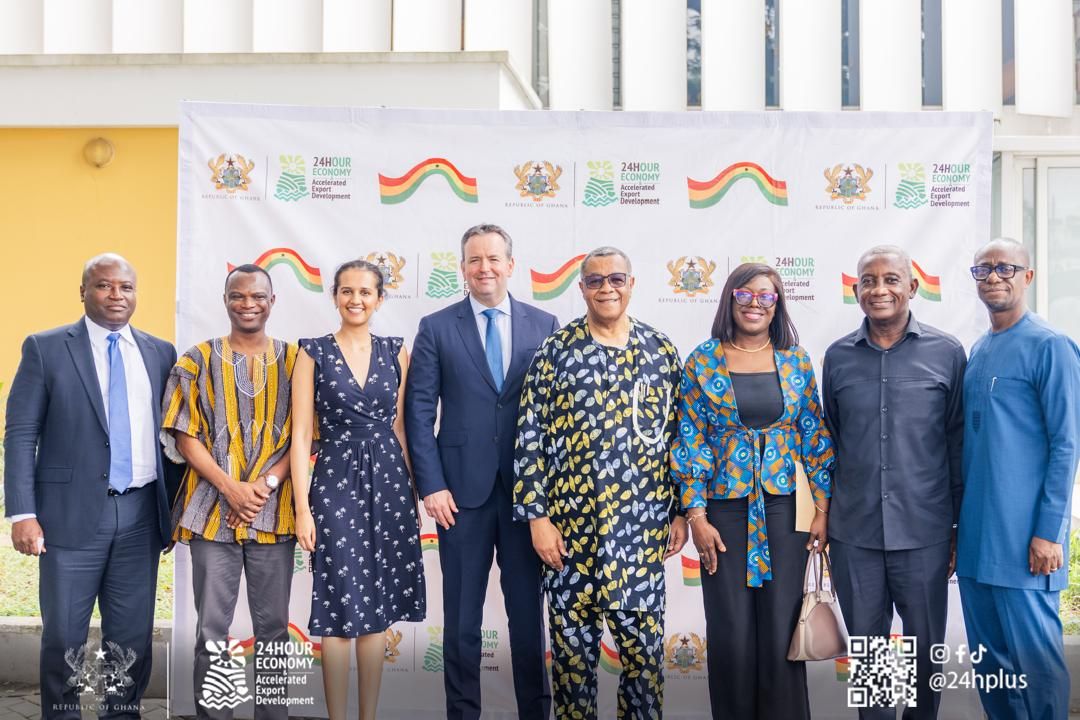
Ghana has taken a significant step forward in its ambitious 24-Hour Economy initiative, with the Secretariat officially signing Heads of Terms agreements with four investment partners. The deal represents a convergence of international private capital, Ghanaian institutional investors, and development finance—a strategic mix designed to unlock economic opportunities and drive sustainable growth across the country.
The Heads of Terms agreement marks a formal commitment from all parties and paves the way for more detailed negotiations and project structuring. This early-stage agreement is a critical milestone, signalling confidence from both local and international investors in Ghana's economic vision and the Government's capacity to deliver on its 24-Hour Economy framework.
What the Partnership Means
The involvement of multiple types of capital—private international funds, Ghanaian institutional investors such as pension funds and insurance companies, and multilateral development finance institutions—creates a balanced financing structure. This approach reduces risk for any single investor, improves access to long-term capital, and aligns with global best practices in infrastructure and economic development financing.
The agreement suggests that investors see genuine opportunities in Ghana's economic sectors and regulatory environment. Their willingness to commit capital signals market confidence in the Government's reform agenda and the potential for profitable, sustainable returns.
Why It Matters for Ghana
The 24-Hour Economy concept aims to optimise Ghana's economic productivity by extending business operations, enhancing port efficiency, and creating a more competitive environment for local and foreign enterprises. A well-capitalised 24-Hour Economy could transform Ghana into a regional hub for commerce, logistics, and manufacturing.
The Heads of Terms agreement opens doors to:
- Infrastructure improvements that support round-the-clock operations, particularly in ports and transportation
- Job creation across multiple sectors as economic activity scales
- Technology transfer and skills development through private sector partnerships
- Increased tax revenue and foreign exchange earnings for Government
- Reduced logistics costs for Ghanaian exporters, improving competitiveness regionally and globally
Critically, the involvement of Ghanaian institutional capital ensures that local pension funds and savings grow alongside the economy, benefiting ordinary Ghanaians and creating a more inclusive growth model. This contrasts with purely foreign-financed projects where profits may leave the country.
Next Steps and Implementation
With Heads of Terms signed, the partnership is expected to move into detailed due diligence, legal documentation, and project development phases. These processes typically take several months, during which the parties will agree on specific project scope, timelines, risk allocation, and financial structures.
Success will depend on the Government's ability to remove regulatory bottlenecks, maintain political stability, and deliver on promised reforms. Equally important is transparent project management and clear communication with stakeholders to ensure the initiative delivers tangible benefits to Ghana's economy and citizens.
The 24-Hour Economy initiative represents one of Ghana's most ambitious economic transformation efforts in recent years. With investment partners now formally committed, the real work of turning vision into reality is just beginning.
Source: 3News



Comments (0)
Be the first to comment.