
Telecel Staff Bridge Digital Divide: New ICT Lab Opens Doors for Eastern Region Students
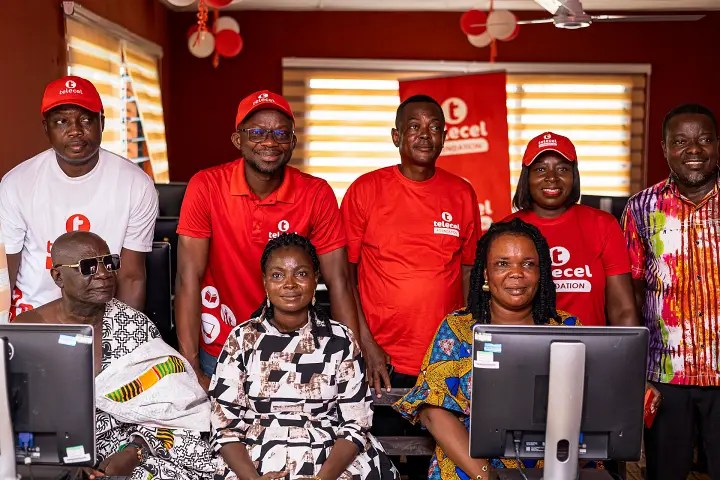

Digital access remains a critical challenge across Ghana's rural communities, but Telecel Ghana's employee volunteerism initiative is making tangible headway. The telecommunications company has commissioned a modern, fully equipped Information and Computer Technology laboratory at Asikuma Presby Primary School in the Asuogyaman District, transforming how students in the Eastern Region engage with ICT education.
The 20-unit facility, refurbished and connected with internet access, represents more than infrastructure—it signals a shift from theoretical ICT instruction to hands-on digital learning. School leaders have long grappled with teaching computing subjects without practical resources, forcing students to memorise concepts rather than build actual technical competency. This lab directly addresses that gap.
How the Project Came Together
The initiative emerged through Telecel Ghana Foundation's Employee Volunteerism Programme, branded as Red Hearts, which encourages staff to identify community needs, co-fund solutions and drive implementation. The Legal, External Affairs and Finance teams led the Asikuma project, with employees supplementing the Foundation's seed funding through internal crowdfunding to purchase computers, furniture and establish reliable connectivity.
This model of employee-led philanthropy is particularly significant because it embeds corporate social responsibility into everyday staff engagement. Workers become stakeholders in community transformation rather than passive observers of top-down initiatives. At the commissioning ceremony, Komla Buami, Director of External Affairs, crystallised the philosophy: students must use the facility, protect it and grow with it—a call to shared custodianship rather than one-off charity.
Why This Matters for Ghana's Digital Future
Ghana's ambition to become a digital economy hub depends on equipping young people with practical ICT skills, yet rural and semi-urban schools often lack basic computing infrastructure. The Asikuma laboratory addresses this directly. Students now have access to type, conduct online research, learn coding fundamentals and build digital literacy—essential competencies for employment in Ghana's rapidly evolving job market.
Headmistress Regina Ayikpa acknowledged the transformation plainly: previously, ICT was taught entirely through theory, leaving students ill-equipped for practical application. The lab enables her teachers to shift from recitation to demonstration, preparing learners to participate meaningfully in the digital economy and pursue technology-related opportunities as they advance.
Moreover, this project reflects a broader recognition within Ghana's private sector that technology access correlates with educational equity. The Asuogyaman District, like much of the Eastern Region, has historically experienced infrastructural disadvantages. By investing here, Telecel is narrowing the digital divide between urban and rural Ghana—a prerequisite for inclusive national development.
Community Stewardship and Sustainability
The project's success will ultimately hinge on maintenance and continued use. The Chief of Asikuma Traditional Area, Nana Abuko Kofi I, pledged community protection of the equipment, whilst students like Basic 6 pupil Jessica Avagah voiced enthusiasm for leveraging the tools for their education. This groundswell of local ownership—from traditional leadership to pupils themselves—suggests the facility is embedded in community priorities rather than externally imposed.
Telecel Ghana Foundation has already delivered a second Red Hearts project this year: a 30-seater ICT laboratory in Akim Achiase. The momentum signals sustained commitment to digital education access across Ghana. For policymakers, educators and development practitioners, these initiatives demonstrate how corporate volunteerism, when structured to empower employees and engage communities, can meaningfully expand opportunity in underserved areas.
Source: Ameyaw Debrah

Comments (0)
Be the first to comment.