
Taxpayers League backs no-new-tax pledge but warns government: accountability must follow
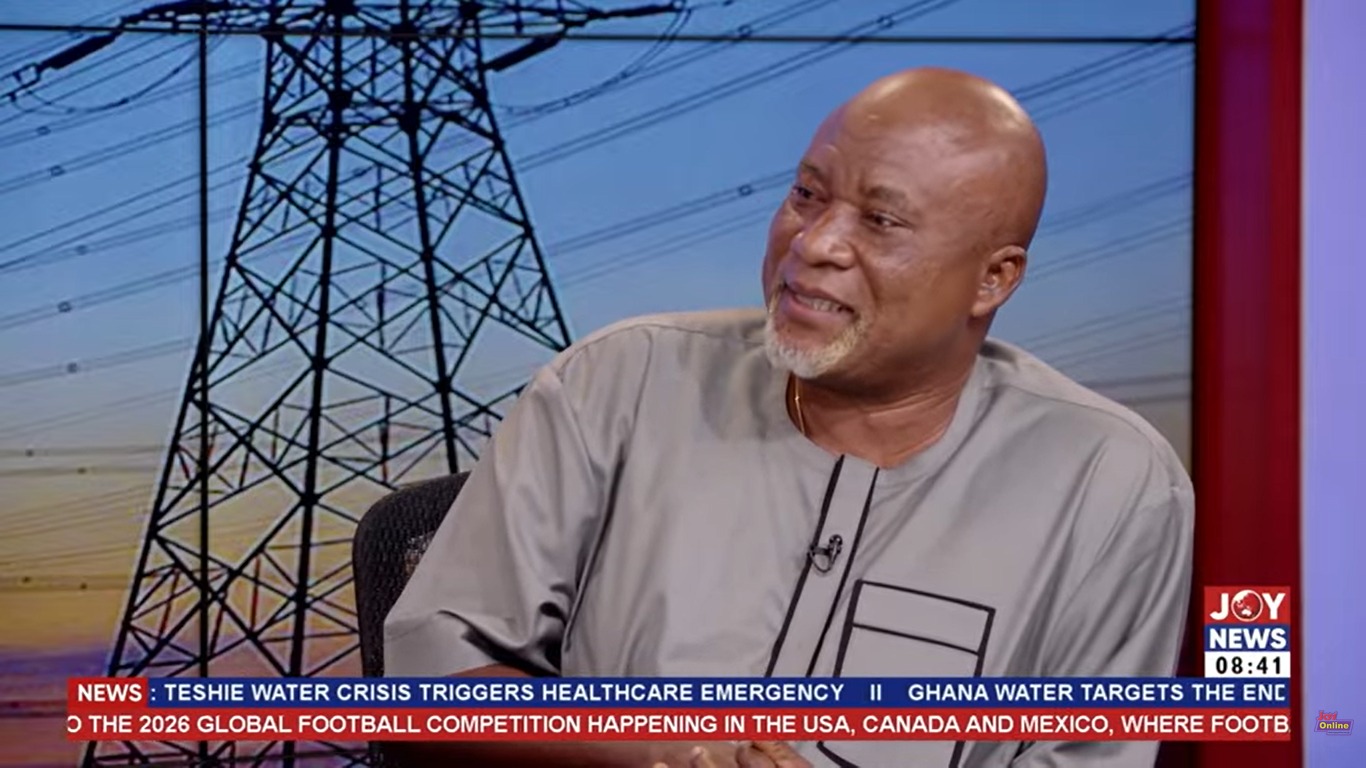

The Taxpayers League Ghana has thrown its weight behind the government's decision to freeze new taxes in the 2027 Budget, while issuing a pointed reminder that the pledge must translate into concrete economic improvements — not merely a headline-grabbing announcement. The organisation, led by Executive Director Hopeson Adorye, made its position clear in a press release dated 15 November, calling for greater transparency, stronger accountability and an end to wasteful public spending.
What the Taxpayers League is demanding
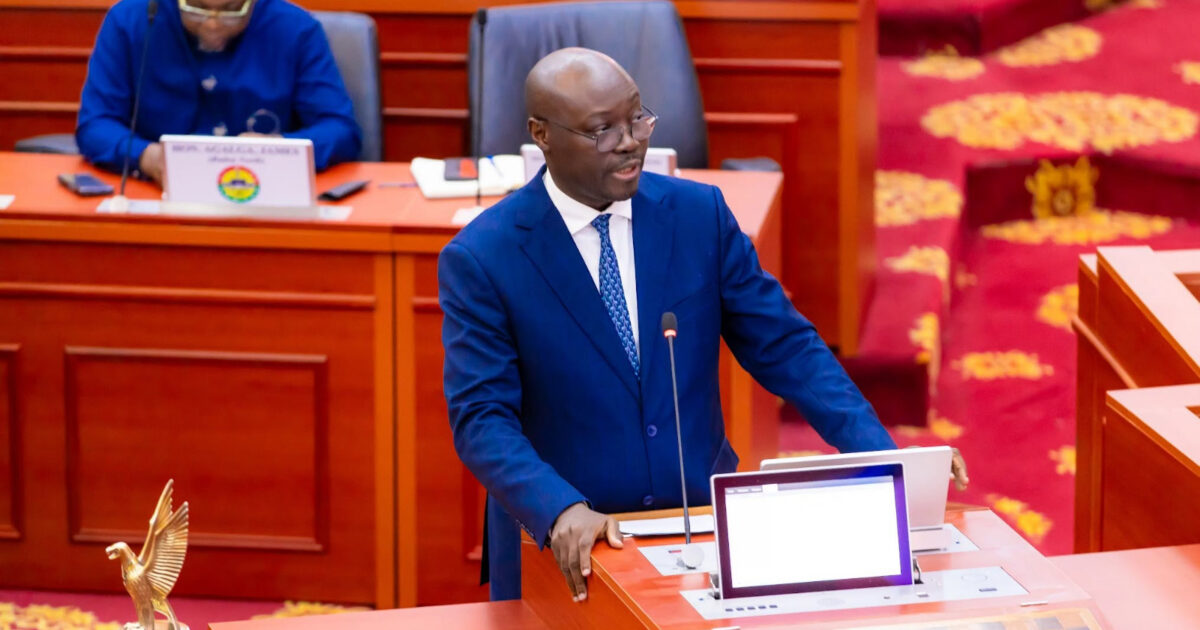
The League commended Finance Minister Dr Cassiel Ato Forson for committing to a no-new-tax policy in the upcoming budget cycle, describing the move as a meaningful opportunity to rebuild public confidence in Ghana's tax system. However, it was quick to stress that the absence of new taxes alone is insufficient if revenue management remains opaque and inefficient.
According to the organisation, the government does not need to introduce fresh levies to grow its revenue base. Instead, it argued, far more could be achieved by tightening compliance, closing loopholes that allow revenue to leak out of the system, and ensuring that existing taxes are collected effectively and fairly. The League also called on authorities to simplify tax administration processes, which many businesses — particularly small and medium-sized enterprises — have long complained are burdensome and complicated.
Beyond revenue collection, the organisation urged the government to channel public funds into areas that drive real economic growth: job creation, infrastructure development and investment in productive sectors. It also called on the private sector, organised labour and civil society to engage constructively with the government as the 2027 Budget is implemented, emphasising that budget accountability is a shared national responsibility.
Taxes already scrapped — a welcome but incomplete step
The League acknowledged the government's earlier decision to abolish a number of levies that had drawn widespread criticism from businesses and ordinary Ghanaians. Among the taxes removed were the Electronic Transfer Levy — commonly known as the E-Levy — the COVID-19 Levy, the Emissions Levy, withholding tax on betting and lottery winnings, and VAT on motor vehicle insurance.
The scrapping of these levies, particularly the E-Levy, was broadly welcomed across the country. The E-Levy had been deeply unpopular since its introduction, with critics arguing it stifled digital financial transactions and disproportionately affected low-income Ghanaians who rely heavily on mobile money. Its removal, alongside the other abolished taxes, was seen as a positive signal from the government — but the League's position is that symbols must be backed by substance.
Why it matters for Ghana
Ghana is at a critical juncture in its economic recovery. The country has been working to stabilise its finances following a severe debt crisis that forced it to seek an IMF programme, restructure its domestic and external debt, and impose painful austerity measures on citizens. Against that backdrop, the no-new-tax commitment carries significant weight — both economically and politically.
For households already squeezed by high inflation and rising living costs, the assurance that the tax burden will not increase in 2027 offers some relief. For businesses, it signals a degree of policy predictability that encourages investment planning. The League's core argument — that Ghana needs a more efficient and transparent revenue system rather than more taxes — resonates with longstanding concerns about how public money is collected and spent.
Corruption and waste in public finances have repeatedly undermined trust in the system. If the government can demonstrate that existing revenues are being managed prudently, that leakages are being plugged and that spending is delivering visible results, it would go a long way towards restoring confidence — without placing additional burdens on an already stretched population.
- No new taxes: Finance Minister Dr Ato Forson has committed to no new taxes in the 2027 Budget.
- Abolished levies: The E-Levy, COVID-19 Levy and several other taxes have already been scrapped.
- League's call: Greater accountability, transparency and efficiency in revenue use are urgently needed.
Source: MyJoyOnline


Comments (0)
Be the first to comment.