
No New Taxes in 2027: Taxpayers League Applauds Government but Warns Relief Must Be Felt on the Ground

The Taxpayers League Ghana has welcomed the government's commitment to freeze new tax introductions in the 2027 Budget, describing it as a timely and encouraging signal for households and businesses still navigating the pressures of a challenging economic environment. The organisation, however, made clear that the absence of new taxes alone is not sufficient — the gains must be felt in real terms by ordinary Ghanaians.
What was announced and why it matters
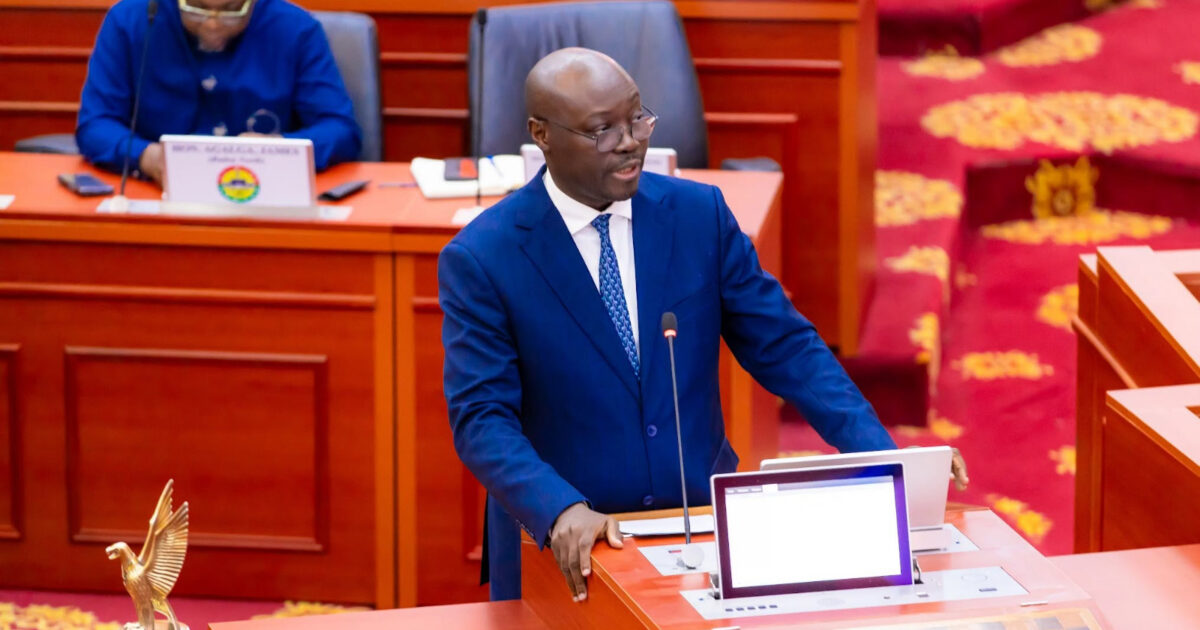
Finance Minister Dr Cassiel Ato Forson announced that no new taxes would be introduced in the 2027 Budget, a decision the Taxpayers League described as a welcome departure from previous fiscal approaches that heaped additional burdens on citizens and businesses. In a press release signed by its Executive Director, Hopeson Adorye, the League said the move offers an opportunity to restore confidence in Ghana's tax system and shift the focus towards better enforcement of existing tax obligations rather than expanding the tax net.
The organisation noted that the government had already taken steps in this direction by scrapping several controversial levies, including the Electronic Transfer Levy (E-Levy), the COVID-19 Levy, the Emissions Levy, withholding tax on betting and lottery winnings, and VAT on motor vehicle insurance. These removals, the League said, laid a foundation for rebuilding trust between the state and the taxpaying public.
Why it matters for Ghana
Ghana has spent much of the past few years under an IMF-supported economic recovery programme following a severe fiscal crisis that forced the country to restructure its debt and undertake painful adjustments. During that period, many Ghanaians experienced a sharp erosion of purchasing power, driven by high inflation, currency depreciation and a string of new levies that critics argued stifled both consumer spending and business activity.
The E-Levy, in particular, became a lightning rod for public frustration. Introduced in 2022 under the previous administration, it imposed a charge on mobile money and electronic transfers and was widely seen as counterproductive — discouraging digital financial transactions at a time when financial inclusion was a stated national priority. Its removal was broadly celebrated.
Against this backdrop, a no-new-tax commitment for 2027 carries significant symbolic and practical weight. It suggests the government intends to pursue fiscal consolidation through improved compliance and reduced revenue leakages rather than by expanding the burden on citizens. The Taxpayers League argued that Ghana does not necessarily need more taxes to generate more revenue — what is needed, it said, is a more efficient, transparent and accountable revenue collection system.
Calls for accountability and investment
While commending the government, the Taxpayers League was careful to frame its support as conditional. It stressed that the pledge must translate into concrete improvements in living standards, warning against a situation where tax relief exists on paper but households see no real benefit.
The organisation laid out a set of expectations for the government to meet alongside the tax freeze:
- Greater transparency and accountability in the management of public finances
- Intensified efforts to eliminate corruption and wasteful expenditure
- Simplified tax administration to reduce the compliance burden on individuals and small businesses
- Prioritisation of job creation, infrastructure development and investment in productive sectors
The League also urged the government to hold firm on its commitment throughout the entirety of 2027, cautioning against any mid-year reversals that could undermine the confidence the pledge is intended to build.
With Ghana's economy showing signs of stabilisation — inflation declining from its peak and the cedi regaining some ground — the 2027 Budget represents a critical moment to consolidate progress and ensure that the recovery is broad-based rather than confined to macroeconomic indicators. For many Ghanaians, the true test will be whether conditions at the household and business level genuinely improve in the months ahead.
Source: MyJoyOnline


Comments (0)
Be the first to comment.