Supreme Court to decide on Chief Justice's legal vacation order next week
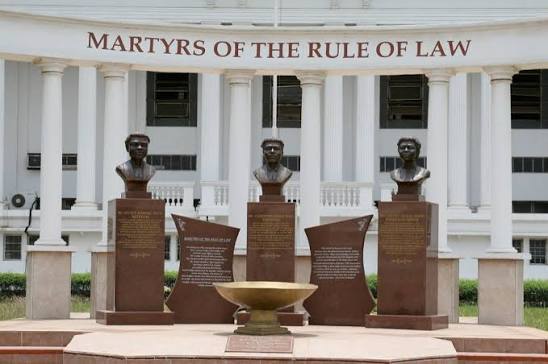
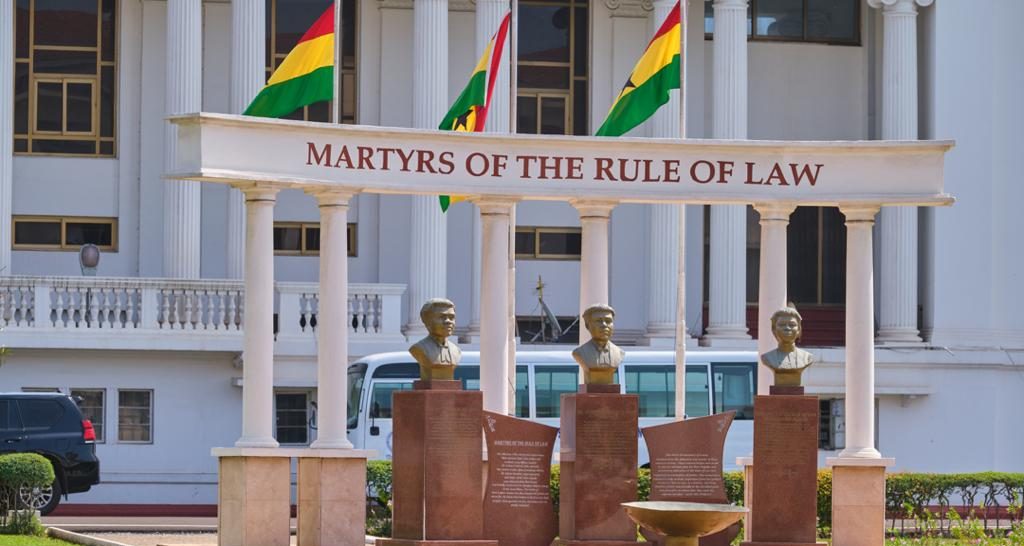
Ghana's Supreme Court will deliver a landmark ruling on Friday, 21 August, on whether the Chief Justice has the constitutional authority to direct selected High Court judges to continue hearing criminal cases during the legal vacation period. The case, filed by Ofoase-Ayirebi MP Kojo Oppong Nkrumah, raises fundamental questions about judicial independence and the rights of accused persons to fair representation.
The challenge centres on administrative warrants issued by Chief Justice Paul Baffoe-Bonnie instructing specific judges to sit during vacation. Oppong Nkrumah's legal team argues that this practice circumvents established protocols and denies defence lawyers their constitutional right to represent clients during the break period.
The core constitutional dispute
At the heart of the case lies a tension between ensuring cases progress and protecting the right to fair trial. Frank Davies, representing the MP, argues that the longstanding custom requires mutual agreement from all legal teams before trials can continue during vacation. Once lawyers consent, the judge applies for a warrant from the Chief Justice—a process the legal team says has been bypassed in these selected cases.
Davies emphasises that his client is not opposed to trials during vacation in principle, but rather to the manner in which they are being conducted. Defence lawyers in the affected cases have explicitly stated they cannot attend proceedings during the vacation period, yet the trials have proceeded regardless.
A secondary procedural dispute also emerged during Thursday's hearing. Davies challenged the Attorney General's legal representation of the Chief Justice, arguing that as an arm of the Executive representing the head of the Judiciary, it violates the constitutional separation of powers. The court rejected this argument, but it underscores broader concerns about institutional independence.
Why it matters for Ghana
This ruling will have significant implications for how Ghana's judicial system operates during vacation periods and could reshape the balance between judicial administration and individual rights. If the Supreme Court upholds the challenge, it would require the Chief Justice to work with defence bars and obtain broader consent before compelling vacation sittings. If it rules in favour of the Chief Justice, it affirms wider discretionary powers during vacation breaks.
The case also touches on equal treatment under law. Davies questioned why only selected criminal cases receive vacation hearing directives whilst other matters in the same courts do not. This raises transparency questions about which cases get prioritised and on what basis.
For accused persons, the ruling affects access to legal representation during a critical period. Many defence lawyers plan annual breaks, assume courts are closed, or take cases outside Ghana during vacation. Unannounced vacation sittings can effectively deny defendants their choice of counsel.
What happens next
The Supreme Court's decision on Friday will clarify the Chief Justice's powers under the Constitution and the Courts Act. Whatever the ruling, it is likely to prompt either a formal revision of vacation sitting protocols or reaffirmation of the Chief Justice's current authority, with possible implementation guidelines. The case may also inspire broader stakeholder discussions involving the Ghana Bar Association, the Judicial Council, and Parliament about standardising vacation procedures nationwide.
Source: MyJoyOnline
Comments (0)
Be the first to comment.