MP Oppong Nkrumah takes Chief Justice to Supreme Court over legal vacation ruling

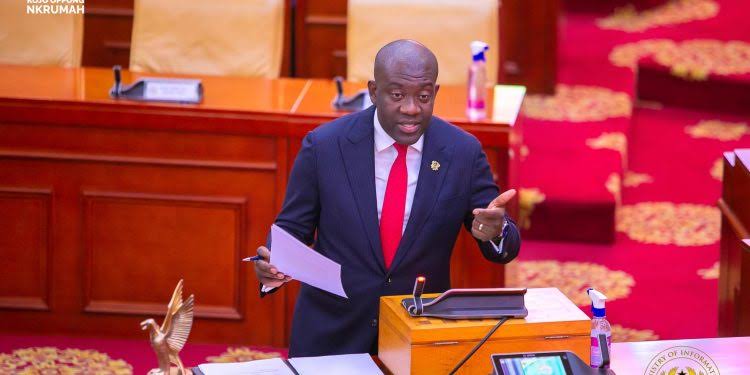
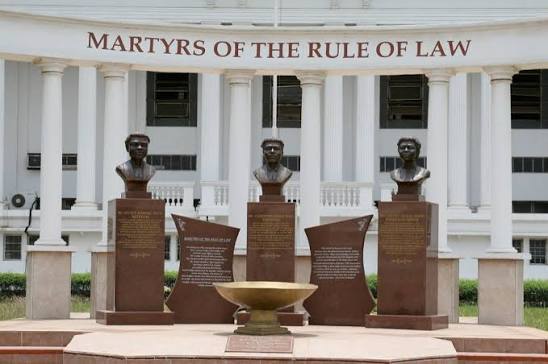
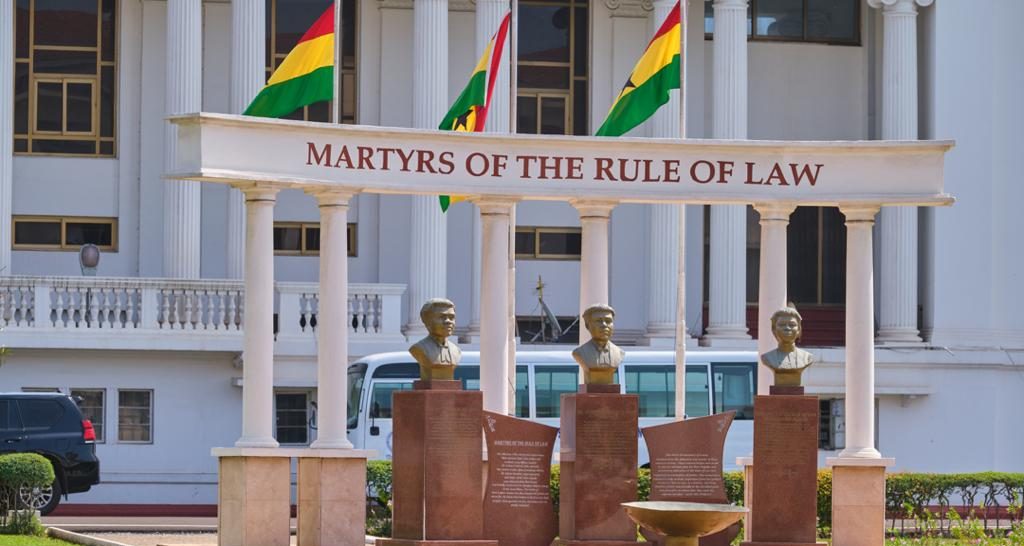
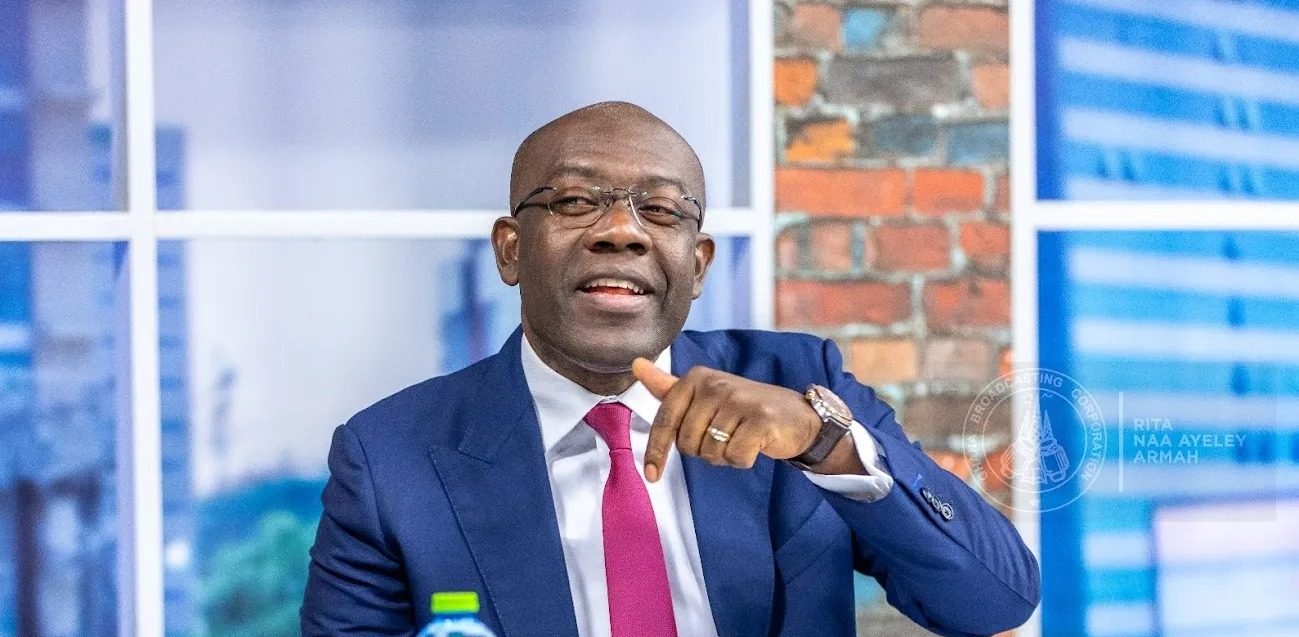
Member of Parliament for Ofoase Ayirebi Kojo Oppong Nkrumah has escalated a constitutional dispute to Ghana's highest court, filing a writ at the Supreme Court to challenge the Chief Justice's decision to allow judges to sit and hear selected criminal cases during the annual legal vacation.
In his suit, Oppong Nkrumah—who brings the case as a citizen, legislator and practising lawyer—argues that the warrants issued by the Chief Justice enabling judges to work during the recess period violate multiple constitutional provisions and breach fundamental principles of equality and fairness.
The constitutional arguments
The MP contends that the Chief Justice's directive conflicts with Articles 17(1) and (2), 23 and 296(a) and (b) of the 1992 Constitution, which establish the right to equality and fairness, and prescribe proper exercise of discretionary powers. He specifically targets what he characterises as "selective justice"—the practice of prioritising certain criminal cases for hearing during the vacation while leaving others unheard.
Oppong Nkrumah argues this amounts to unequal treatment before the law, a principle protected under Ghana's Constitution. He is further challenging Order 79 Rules 1(1) and 2 of the High Court (Civil Procedure) Rules, 2004, which he says unlawfully permit the Chief Justice to select cases for vacation sittings as if they were ordinary court sessions.
The MP has also raised concerns about workers' rights, claiming the directive violates Articles 24(1) and (2) and 36(10) of the Constitution, which protect working conditions and labour standards. He argues that requiring Ghana Bar members and Judicial Service staff to work during the legal vacation—typically a mandatory rest period—undermines their right to health and safe working conditions.
Why this matters for Ghana
This case touches on fundamental tensions in Ghana's judicial administration. The legal vacation, traditionally a period for court maintenance and staff rest, has increasingly been used to address case backlogs by hearing selected matters. The question of who decides which cases are "special" enough to be heard during recess goes to the heart of judicial independence and equal access to justice.
If Oppong Nkrumah's challenge succeeds, it could reshape how the judiciary manages its calendar during recesses. Conversely, if the Supreme Court upholds the Chief Justice's discretion, it would affirm the executive flexibility needed to manage Ghana's notoriously congested court dockets. The outcome will also signal how robustly the courts will police their own internal administrative decisions.
The case also reflects broader concerns about judicial workload and staff welfare—issues that intermittently surface in debates about court efficiency and worker protection.
What happens next
The Chief Justice and the Attorney General, named as defendants, have been given 14 days from service of the case to file their statements of defence. Oppong Nkrumah is seeking a declaration that the Chief Justice's directive is unconstitutional and null and void, along with any further orders the Supreme Court deems necessary.
The court's ruling could have significant implications for how Ghana's judiciary operates during recess periods going forward.
Source: The Ghanaian Times
Comments (0)
Be the first to comment.