
Senyo Hosi Criticises Kwakye Ofosu's Communication Strategy Amid Political Scrutiny


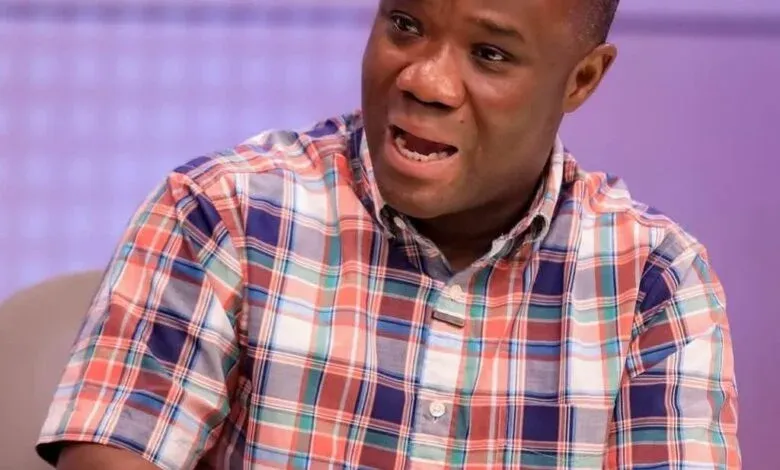
Political analyst and commentator Senyo Hosi has publicly critiqued the communication strategy of Kwakye Ofosu, suggesting that whilst Ofosu possesses strong communicative abilities, his recent messaging efforts have been notably challenging to execute effectively.
Speaking on TV3's The KeyPoints programme on October 17, Hosi acknowledged Ofosu's credentials as a skilled communicator but expressed reservations about the difficulty inherent in his current communication role. The remark comes as political discourse in Ghana intensifies, with various figures facing increased scrutiny over their public messaging and positioning.
Context of Political Communication in Ghana
Ghana's political landscape has become increasingly competitive, with political actors and spokespersons playing crucial roles in shaping public perception and discourse. Communication specialists and party representatives are frequently tasked with navigating complex political narratives, managing public expectations, and responding to criticism—responsibilities that demand both strategic thinking and rhetorical skill.
Hosi's observation reflects broader discussions within Ghana's political commentariat about the challenges faced by individuals tasked with representing political positions or organisations. The difficulty in such roles often stems from balancing competing interests, addressing contradictory narratives, and maintaining credibility with diverse audiences.
Why It Matters for Ghana
Political communication directly influences public opinion and electoral outcomes in Ghana. When commentators like Hosi assess the effectiveness of political spokespersons, they are effectively evaluating the quality of information reaching Ghanaian voters and citizens. The strength of political messaging affects how Ghanaians understand policy positions, governance performance, and political parties' visions.
Moreover, critiques of communication strategies often signal underlying concerns about the sustainability or coherence of political narratives. In Ghana's competitive political environment, where elections and political accountability are central to democratic participation, the quality and effectiveness of political communication becomes a matter of public interest.
Hosi's comments also highlight the role of media platforms like TV3 in fostering critical analysis of political figures and their approaches. Such discussions contribute to a more informed public discourse, enabling Ghanaians to evaluate political actors beyond their promotional messaging.
The Broader Political Discourse
Television panels such as The KeyPoints serve as important forums where political analysts, journalists, and commentators dissect current events and political performances. These spaces allow Ghanaians to access multiple perspectives on political developments and assess the competence and consistency of political figures.
As Ghana continues to navigate its democratic journey, the quality of political communication and the scrutiny applied to it remain essential components of healthy democratic practice. Whether critiques are directed at government officials, opposition figures, or institutional representatives, they contribute to the accountability mechanisms that underpin Ghana's democracy.
Source: 3News

Comments (0)
Be the first to comment.