
Ghana's Electoral Commission neutrality in question as Agbenyo appointment stirs political controversy

Ghana's commitment to electoral impartiality has come under scrutiny following the appointment of Emelia Affi Agbenyo as Deputy Chairperson of the Electoral Commission, with even members of the governing National Democratic Congress expressing unease about the political optics of the decision.
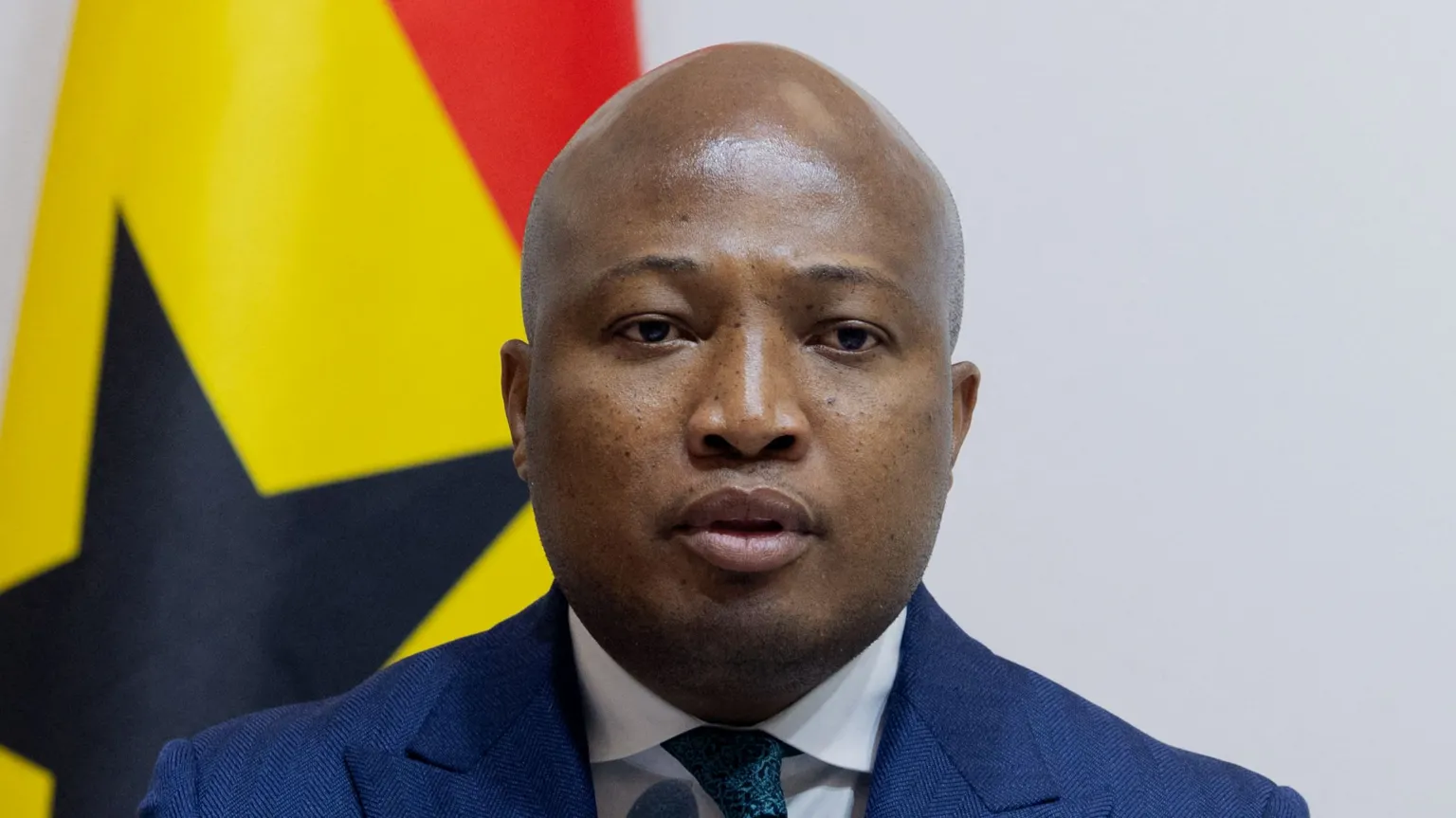
Foreign Affairs Minister Samuel Okudzeto Ablakwa has become the first senior NDC official to publicly acknowledge concerns about the appointment, admitting that whilst Ms Agbenyo possesses integrity and competence, the circumstances surrounding her installation create an unfavourable appearance. "The optics don't look good," Ablakwa stated, adding that he would have preferred a situation where the Electoral Commission was led by individuals perceived as entirely neutral and independent.
The controversy centres on Ms Agbenyo's recent political activism. The 43-year-old international development professional served as an NDC spokesperson on governance matters during the 2024 election campaign. Since her appointment, social media posts and video recordings have resurfaced showing her openly advocating for NDC positions, further fuelling concerns about her ability to discharge her duties with complete impartiality.
Opposition backlash and credibility questions
The New Patriotic Party has formally called for the appointment to be reversed, arguing that it undermines public confidence in the Electoral Commission's neutrality. The opposition party has pointed to what it describes as hypocrisy, noting that the NDC itself criticised similar appointments made by the previous NPP administration on identical grounds of political bias.
This symmetry in criticism—where both major parties have condemned each other's electoral institution appointments—reflects a deeper pattern in Ghana's political culture. The Electoral Commission's independence is foundational to the credibility of elections, and perceived partisan influence over its leadership threatens to erode public trust in the integrity of future electoral processes.
Despite the controversy, Ablakwa defended Ms Agbenyo's substantive qualifications, describing her as "a woman of integrity" with genuine professional competence. The minister's balancing act—acknowledging serious optics concerns whilst defending the appointee's character—suggests discomfort within the NDC itself about how the decision will be perceived.
Why it matters for Ghana
The Electoral Commission operates at the heart of Ghana's democracy. For the 2024 elections and beyond, public confidence in the neutrality of electoral officials directly affects voter turnout, the acceptance of results, and the stability of democratic transitions. When leadership appointments appear politically motivated, they create opportunities for losing parties to question the legitimacy of election outcomes.
Ghana has built a reputation as a democratic anchor in West Africa, with relatively peaceful and accepted elections compared to neighbouring countries. However, this reputation depends on maintaining institutions that are, and are perceived to be, truly independent from partisan control. Repeated controversies over appointees' political leanings risk normalising the politicisation of what should be neutral bodies.
The fact that an NDC minister felt compelled to publicly voice reservations suggests that even within government, there is recognition that the appointment was poorly judged from a communications and credibility standpoint, if not legally or professionally questionable. Whether this will prompt any reconsideration of the appointment remains to be seen, but the episode underscores the ongoing challenge Ghana faces in insulating critical democratic institutions from political pressure.
Source: MyJoyOnline



Comments (0)
Be the first to comment.