NDC Would Name Its Own Election Commission Chair If In Power, Says Acting Elections Director

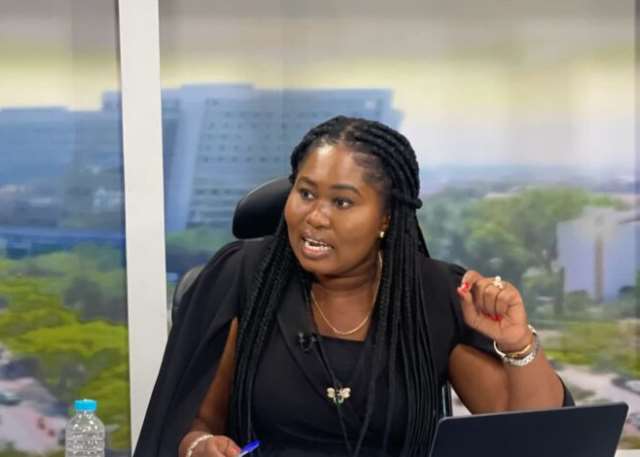
The National Democratic Congress (NDC) has doubled down on criticism of the Electoral Commission's recent appointments, with Acting Elections Director Mahdi Gibril asserting that his party would appoint its own executives to lead the institution if it held state power.
Gibril's comments come as the NDC contests the legitimacy of the EC's new Deputy Chairs, signalling the deepening partisan divide over the management of Ghana's electoral machinery ahead of future polls. The remarks underscore the broader tension between Ghana's government and opposition over institutional autonomy and the composition of key bodies responsible for conducting elections.
The NDC's Position on EC Leadership
Rather than attempt to defend the EC's independence, Gibril's statement appears to acknowledge a reality that many political analysts have long noted: Ghana's major political parties view key institutions through a partisan lens. By openly stating the NDC would pursue similar appointments if given the opportunity, Gibril reveals the transactional nature of how both governing and opposition parties regard electoral oversight bodies.
The NDC has previously raised concerns about the political neutrality of the Electoral Commission, particularly regarding the appointment of officials to senior positions. The party argues that such appointments should reflect broader stakeholder consultation rather than unilateral government decisions.
Why It Matters for Ghana
This development reflects a persistent challenge to Ghana's democratic institutions: the struggle to insulate bodies like the Electoral Commission from partisan interference. The strength of any democracy rests partly on public confidence that elections are administered fairly and independently, free from political manipulation.
When opposition figures openly acknowledge they would replicate or exceed the actions they criticise, it raises questions about the depth of institutional commitment among Ghana's political elite. Rather than building consensus around strengthening the EC's independence, both major parties appear locked in a cycle where control over such bodies becomes a spoil of electoral victory.
For ordinary Ghanaians, this dynamic matters because:
- It potentially undermines confidence in the Electoral Commission's impartiality during elections
- It suggests that institutional reform—rather than partisan advantage—may not be a priority for either major party
- It points to the need for constitutional and legislative safeguards that constrain any government's ability to unilaterally reshape the EC's leadership
The Broader Pattern
Ghana's political history shows repeated cycles where the ruling party makes institutional appointments that the opposition condemns, only for the pattern to reverse when power changes hands. This has affected not only the Electoral Commission but also other autonomous bodies like the Judicial Service and Public Services Commission.
Breaking this cycle would require cross-party commitment to depoliticising such institutions, a challenge that has eluded Ghana's political leadership across multiple election cycles. Without meaningful reform, the controversy over EC appointments will likely resurface with each new administration.
Source: 3News


Comments (0)
Be the first to comment.