
Inside the NPP's 2024 Campaign: How Health Research Sparked Internal Party Tensions
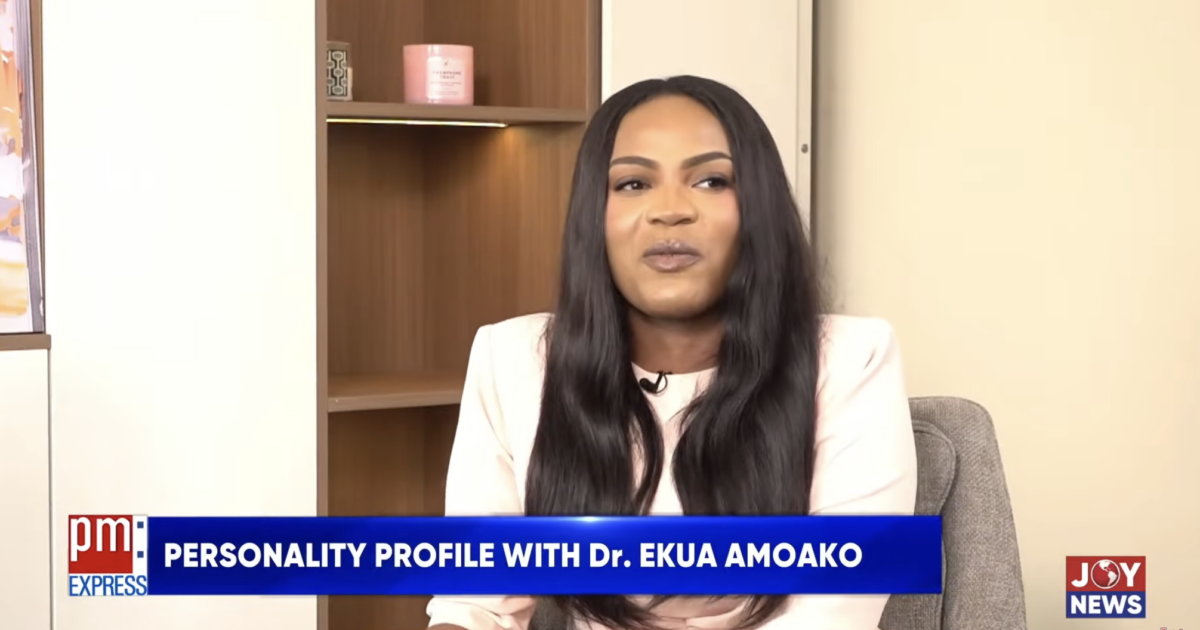

The 2024 Ghanaian election campaign tested more than voter patience—it fractured friendships within political parties themselves. Dr Ekua Amoakoh, spokesperson for NPP flagbearer Dr Mahamudu Bawumia and chair of the party's Health Committee, has opened up about the personal toll of her role researching and documenting the New Patriotic Party's health sector record during one of the nation's most contentious electoral contests.
Dr Amoakoh was assigned the critical task of gathering and analysing data from the Ministry of Health, the Ghana Health Service and the National Health Insurance Authority to construct a comprehensive narrative of NPP performance in healthcare. What began as a straightforward research assignment, leveraging her professional expertise, evolved into an emotionally draining exercise that saw her at odds with fellow party members who questioned her findings.
"It was very difficult to be an NPP person," she told JoyNews' PM Express programme, recounting how her own colleagues challenged her research. "My own colleagues were fighting me. I sound like I was in government. I'm here with you people. I've just gone there, and you are coming to fight me."
The Research Mission and Growing Friction
Dr Amoakoh's work was extensive, covering health infrastructure, national health insurance, and sector performance across multiple political administrations—from the Provisional National Defence Council era through former President John Agyekum Kufuor's tenure and the administration of the late President John Evans Atta Mills. The research was intended to support NPP campaign messaging and help the party assess long-term developments in healthcare policy.
However, tensions erupted when documented evidence from official records contradicted claims being circulated within party circles. During the height of the 2024 campaign's propaganda warfare, Dr Amoakoh found herself defending facts rather than political narratives. Colleagues responded with anger when presented with documents that undermined particular arguments, transforming what should have been evidence-based discussion into emotionally charged confrontations.
"That was in the height of propaganda. That was in the height of the election. There was so much propaganda," Dr Amoakoh explained. "You are looking at documents that disprove something someone is saying, right? But they are so angry that they are arguing with you with their heart and soul and mind."
The disagreements became so heated that she eventually withdrew from a group chat with colleagues in 2024, recognising that the exchanges had spiralled beyond productive debate. She acknowledged her own role in prolonging the disputes, admitting she refused to back down from arguments even when the conversation had become counterproductive.
What This Reveals About Ghana's Electoral Culture
Dr Amoakoh's experience highlights a troubling reality of modern Ghanaian politics: the 2024 election was characterised by intense polarisation that penetrated even professional and social circles within political parties. Rather than functioning as vehicles for rational policy discussion, election campaigns increasingly become arenas where emotion overrides evidence and loyalty demands the abandonment of critical thinking.
Her account is particularly significant because she was not a passive party member; she was an official spokesperson and health committee lead—someone whose role demanded rigorous, fact-based analysis. Yet even someone with professional credentials in research methodology faced hostility when her findings challenged convenient political narratives. This suggests that Ghana's political culture struggles with accepting uncomfortable truths that complicate party messaging, regardless of their accuracy.
The implications extend beyond internal party dynamics. When research-backed evidence is subordinated to propaganda within political organisations, voters ultimately suffer. Campaign discourse becomes detached from documented reality, making informed decision-making more difficult for the electorate.
Dr Amoakoh's willingness to speak publicly about these tensions, weeks after the election concluded, suggests a growing recognition among political actors that this level of internal friction and evidence denial is unsustainable. Whether Ghana's political parties will reform their internal cultures to prioritise facts over feeling remains an open question as the nation looks toward future electoral contests.
Source: MyJoyOnline



Comments (0)
Be the first to comment.