
NPP's Akuapem North MP calls for party unity in Germany as 2028 election battle looms


The Member of Parliament for Akuapem North, Sammi Awuku, has issued a stark warning to the New Patriotic Party to prioritise internal cohesion over factional disputes as the party gears up for the 2028 general election battle. Speaking during a Thanksgiving Service and Unity Dinner organised by the NPP's Germany branch in Hannover in October 2026, Awuku stressed that the party's survival and chances of returning to power hinged on members setting aside differences and working collectively under the newly elected national leadership.
The appeal comes at a critical juncture for the NPP, which lost the 2024 general election to the National Democratic Congress (NDC) after more than eight years in government. With the party now in opposition, internal tensions over strategy, direction and leadership have reportedly created friction within party ranks, including among the diaspora community.
Redefining leadership as service, not authority
Awuku's message extended beyond mere calls for unity; he articulated a vision of leadership grounded in humility and service. He stressed that mandates within the party should be understood as privileges that come with responsibilities, not as licences to exercise unchecked authority over other members. "A mandate is a privilege, not a licence to disregard others; trust must be earned through service," he emphasised to party executives and members present.
This framing appears designed to address frustrations that may have emerged within the party's structures, particularly regarding how newly elected officials interact with grassroots members and stakeholders. The MP called on the Germany branch's leadership to demonstrate the virtues of respect and selflessness, setting a tone that could ripple through the broader party organisation.
Mobilising the diaspora and critiquing government record
Beyond unity messages, Awuku encouraged NPP members living abroad to actively contribute to the party's election preparation, particularly by engaging family members in Ghana on party policies and campaign messaging. This reflects a strategic recognition that diaspora communities can influence domestic political narratives, especially among urban and educated voters.
The MP also took the opportunity to launch substantive critiques of the current government's performance across key sectors. He raised concerns about the implementation of the 24-hour economy policy, questioned the adequacy of placements for over 50,000 Junior High School graduates, and highlighted shortcomings in education, health and sports. These criticisms signal the NPP's likely campaign strategy for 2028, focusing on governance delivery and economic management.
Why it matters for Ghana
The state of Ghana's two-party system depends significantly on the internal health and coherence of both major political organisations. An NPP fractured by internal divisions risks losing ground to a resurgent NDC administration, while a united opposition can effectively hold government accountable and present a credible alternative. The 2028 election is still two years away, but the groundwork being laid now—through visits to diaspora communities and calls for party discipline—will determine whether the NPP can mount a competitive challenge or continue to fracture under pressure.
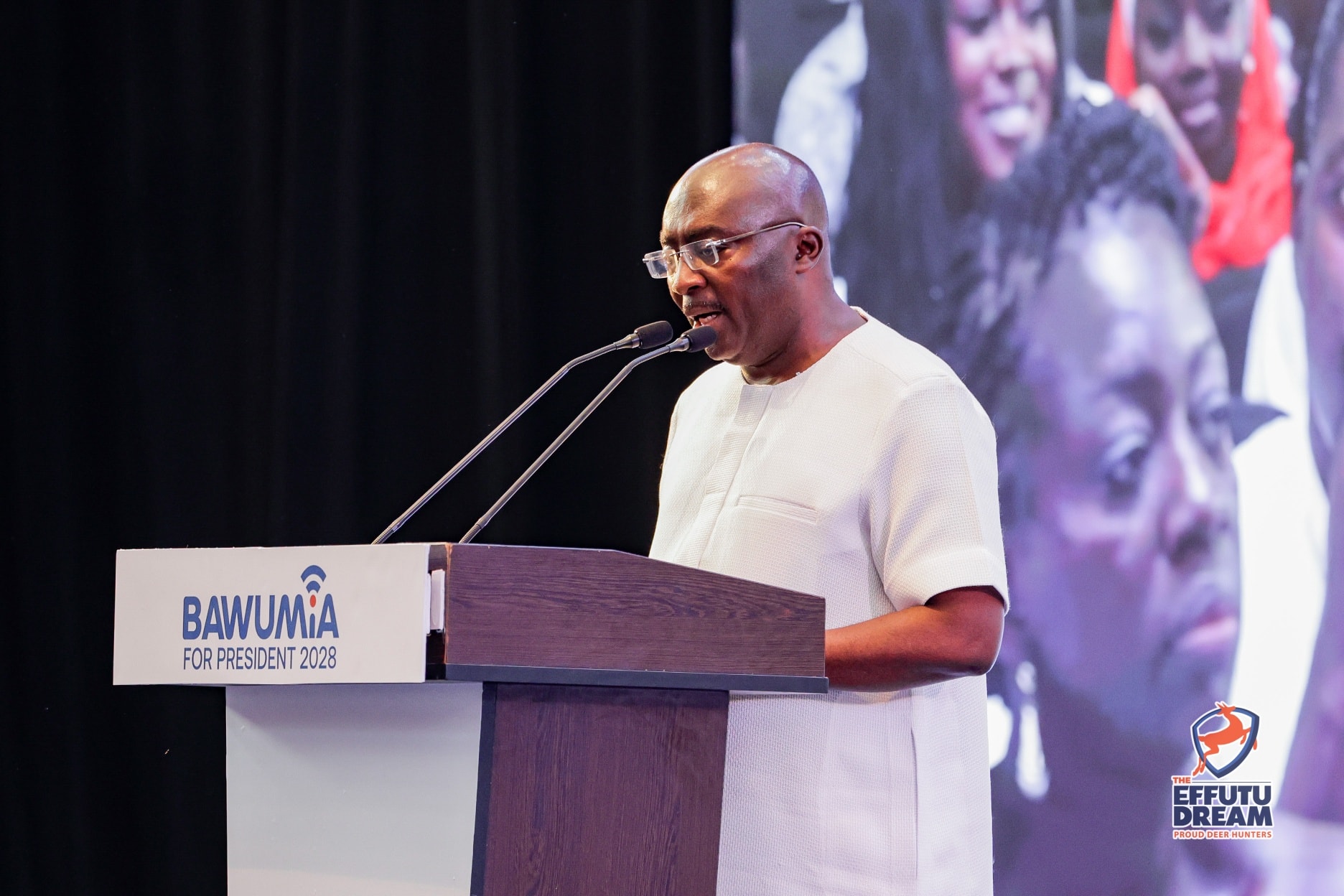
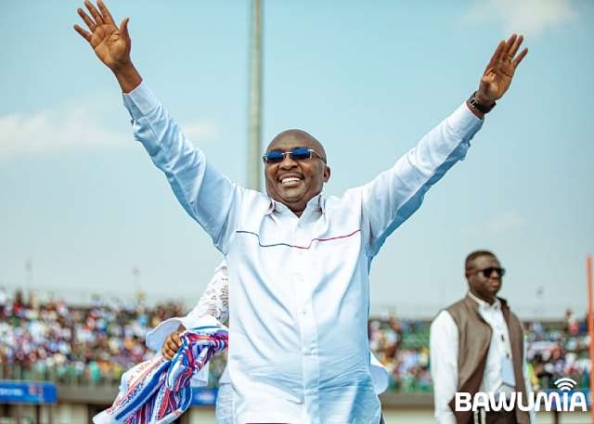
Additionally, Awuku's visit was part of preparations for an expected engagement between the Germany branch and former Vice-President Dr Mahamudu Bawumia on 21 November 2026, suggesting that high-profile party figures are actively working to shore up diaspora support and maintain morale within the international membership base. As the party navigates opposition, maintaining diaspora engagement and internal unity will be essential to its long-term electoral prospects.
Source: The Ghana Report



Comments (0)
Be the first to comment.