Sammy Gyamfi accepts service in defamation case as legal battle with Afenyo-Markin escalates
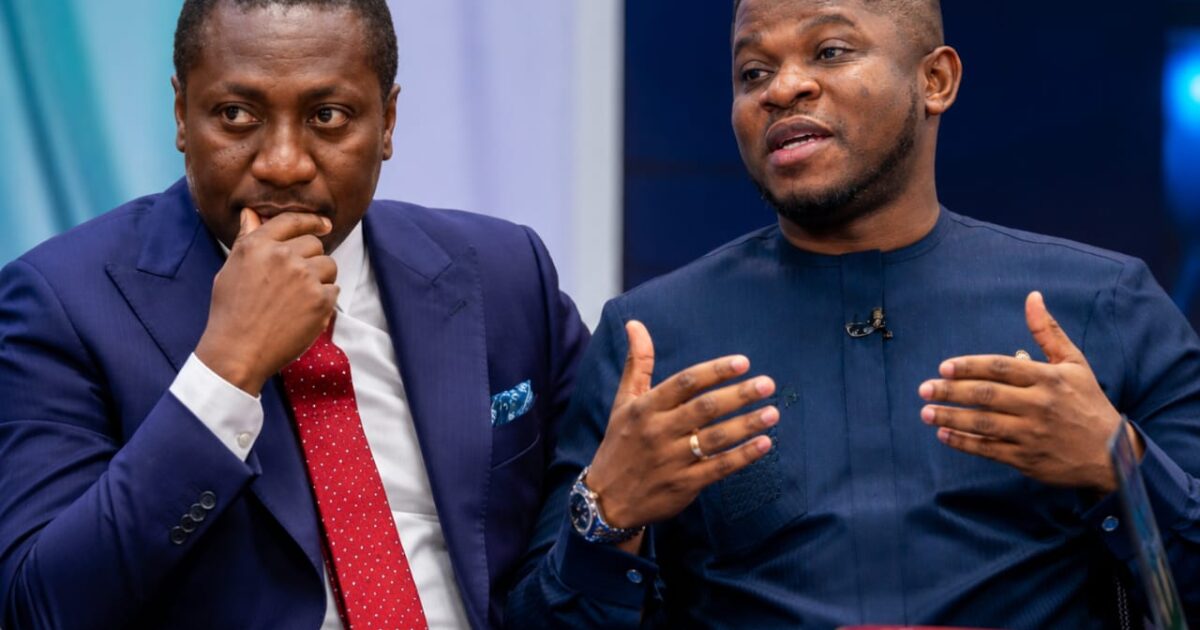
The legal dispute between Minority Leader Alexander Afenyo-Markin and Ghana Gold Board (GoldBod) Chief Executive Officer Sammy Gyamfi has moved into formal court proceedings, with Mr Gyamfi's legal team signalling readiness to receive the writ of summons and related court documents.
Through his solicitors at Ayine & Partners, Mr Gyamfi formally notified the High Court's General Division in Accra on 26 August that he has authorised his lawyers to accept service of the writ on his behalf. The notification came two days after Mr Afenyo-Markin announced in Parliament that he had initiated legal action against Mr Gyamfi over allegations of extortion allegedly made against him.
The letter to the court registrar, signed by Seth Nyaaba on behalf of Ayine & Partners, explicitly states that the solicitors have received express instructions from Mr Gyamfi to accept all court processes. The notice directs the court to record that service can be effected at the law firm's offices at Ayine and Partners, House No. C809/29, 1st Close Lily Street, East Legon, Accra.
What this means for the case
Legal experts note that Mr Gyamfi's decision to authorise his lawyers to accept service—rather than forcing the court to undertake personal service—typically signals a defendant's intention to engage seriously with the legal process. The move does not constitute an admission of the allegations but rather a procedural step that allows substantive proceedings to commence without unnecessary delays over service technicalities.
This development means the case can now advance to the substantive phase, where both parties will present arguments, evidence and legal submissions before the court. The timeline for the next stages will depend on the court's scheduling and the complexity of the claims involved.
The political backdrop
The dispute between Mr Afenyo-Markin, who represents Effutu constituency and leads the Parliamentary Minority, and Mr Gyamfi has generated significant public and political attention. Mr Afenyo-Markin has denied the extortion allegations attributed to him and stated his determination to pursue legal remedies to protect his reputation.
Such high-profile defamation cases involving political figures and senior government appointees often attract close scrutiny from the public, media and civil society, given their implications for accountability, free speech and the separation of powers.
Why it matters for Ghana
Defamation cases involving prominent political and institutional figures serve as important tests of Ghana's legal system and democratic principles. The outcome could set precedents regarding the boundaries of political criticism, the protection of reputation and the remedies available to public office-holders who claim to be defamed.
For the broader public interest, such cases demonstrate how Ghana's courts handle disputes between senior politicians and state officials, reinforcing or questioning the independence and credibility of the judiciary. The case will also be instructive on whether public figures face different standards when defending defamation claims compared to private citizens.
As Ghana continues to develop its democratic institutions and strengthen rule of law, high-stakes legal disputes like this one offer opportunities for the courts to clarify important legal principles and ensure that both free expression and personal reputation receive appropriate protection under the law.
Source: MyJoyOnline




Comments (0)
Be the first to comment.