
PURC demands urgent action from ECG over blackouts and meter crisis in Greater Accra
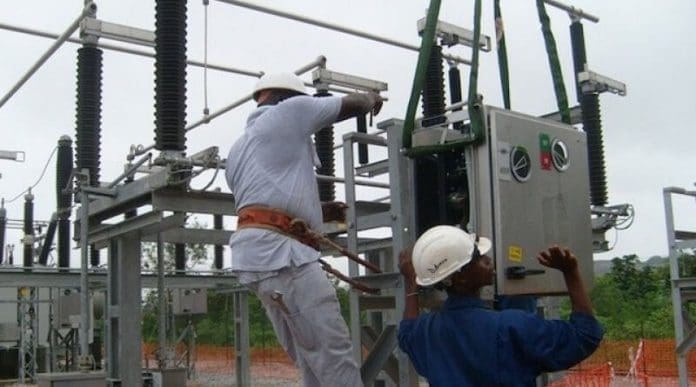

Ghana's electricity regulator has escalated pressure on the Electricity Company of Ghana (ECG) to fix a mounting crisis of blackouts, slow meter installations and billing disputes that has sparked the highest volume of complaints from Greater Accra consumers this year.
The Public Utilities Regulatory Commission (PURC) raised the alarm during mid-year monitoring engagements with ECG district managers across the region, revealing that power outages, voltage fluctuations and metre acquisition delays dominate customer grievances. The findings underscore deepening frustration with electricity service quality in the nation's most densely populated region.
The scale of the problem
According to Madam Gifty Bruce-Nelson, PURC's Greater Accra Regional Manager, the commission's electronic complaint channels—including WhatsApp platforms—have been flooded with reports of persistent outages, phase-offs, power fluctuations and dangerously low voltages. Field inspections and industrial monitoring have identified critical infrastructure failures: overloaded transformers, severe meter shortages, electricity theft, network connectivity gaps and fraudsters impersonating ECG staff.
Billing emerged as a second major flashpoint. Consumers are reporting inflated bills, meter-reading errors, prolonged delays in dispute resolution and vast discrepancies between expected and actual consumption. Some customers have installed substandard, unregistered metres and subsequently refused payment, creating a cycle of non-compliance and revenue loss.
ECG managers attributed some billing turbulence to the recent shutdown of the previous billing system and transition to a new platform. They also flagged the controversial SHEP metre scheme and distribution of metres outside ECG's official systems as sources of confusion and system gaps.
What PURC is demanding
The regulator has issued a clear roadmap for remedial action. ECG must prioritise urgent transformer upgrades and network infrastructure improvements to reduce outages. The company must also dramatically improve communication with consumers about fault reporting and restoration timelines—a persistent complaint suggesting ECG's field teams are not keeping customers informed during power cuts.
On the metre front, PURC has called for a complete overhaul of efficiency in acquisition, installation and replacement processes. The regulator specifically urged ECG to provide transparent information to consumers about application procedures, requirements and expected timelines for new and replacement metres, recognising that delays fuel estimated billing, illegal connections and disputes.
Strengthened field operations, better coordination with district offices and enhanced consumer education campaigns are also on the agenda.
Why it matters for Ghana
Greater Accra accounts for roughly one-third of Ghana's population and is home to most major businesses, government offices and industrial facilities. When the capital's electricity system falters, the impact cascades across the entire economy. Businesses lose production time and revenue; hospitals struggle to operate; households endure extended darkness. The regulator's intervention signals that the current situation is unsustainable and requires immediate systemic reform.
The metre crisis is particularly damaging because it erodes trust in the billing system itself. When customers cannot obtain metres promptly, ECG resorts to estimated billing, which consumers often dispute as inaccurate. Substandard unregistered metres slip into the system, creating data gaps that weaken ECG's ability to account for electricity and collect revenue—a vicious cycle that ultimately threatens the utility's financial viability and its ability to invest in infrastructure.
PURC's engagement with ECG district managers represents a coordinated push to restore accountability and service standards. Whether ECG can deliver meaningful improvements in the coming months will define public confidence in the electricity system and, by extension, Ghana's business environment.
Source: MyJoyOnline


Comments (0)
Be the first to comment.