
Ashanti Power Crisis: Equipment Breakdowns and Cable Faults Behind Recent Blackouts


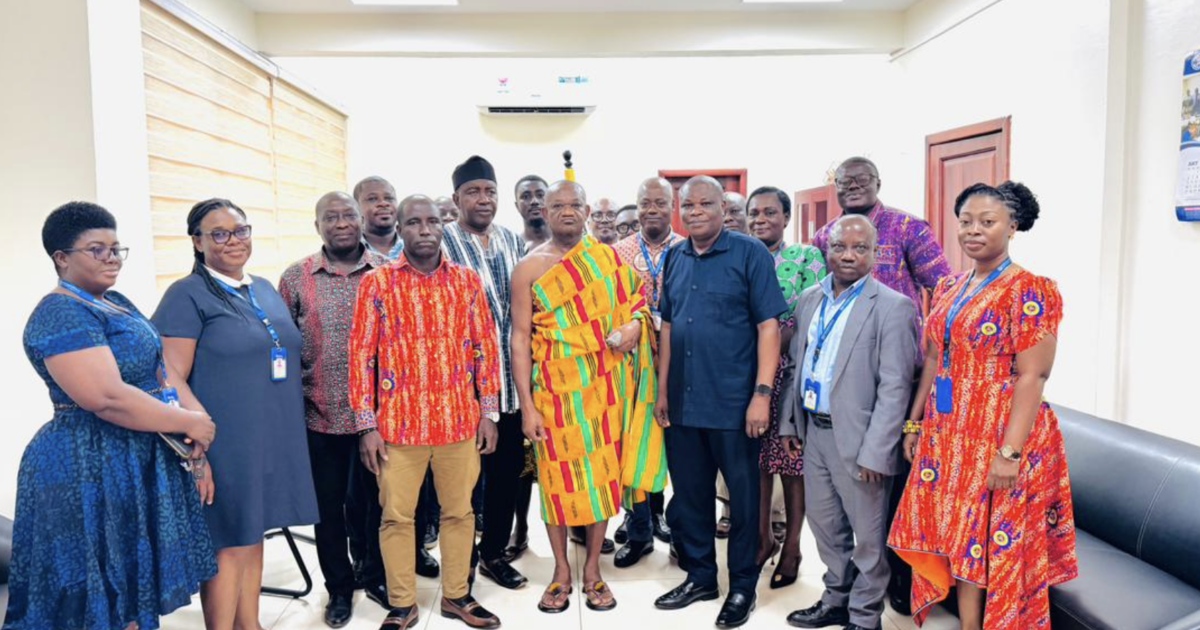
The Electricity Company of Ghana (ECG) has attributed recent power outages in the Ashanti Region to equipment malfunctions and faulty cables, according to findings presented during a regulatory meeting with the Public Utilities Regulatory Commission (PURC).
The briefing, part of PURC's ongoing regulatory oversight mandate, reviewed ECG's operational performance and service reliability across the region, examining both the immediate technical causes of the blackouts and broader systemic challenges affecting electricity distribution to consumers.
Equipment and Infrastructure Problems
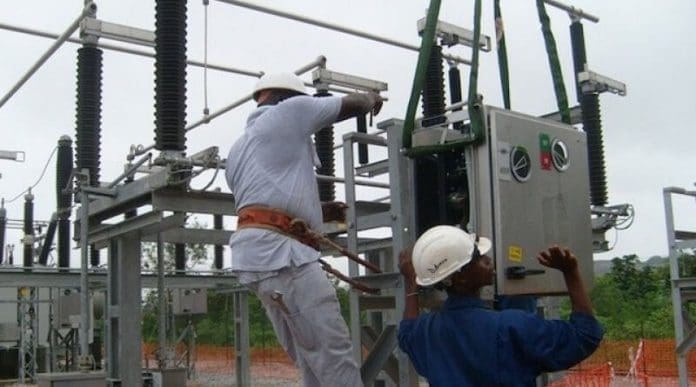
Technical failures rather than generation shortages have been identified as the primary culprits behind the disruptions. The ECG's assessment highlighted that aging cable networks and malfunctioning equipment at distribution points have contributed significantly to service interruptions affecting homes and businesses throughout Ashanti.
This revelation suggests that maintenance backlogs and infrastructure degradation remain pressing concerns for the utility company, particularly as demand for reliable electricity continues to grow across Ghana's second-largest region.
Why It Matters for Ghana
Power reliability directly impacts Ghana's economic growth, particularly in industrial hubs like Kumasi and surrounding districts in Ashanti. Frequent outages disrupt manufacturing operations, undermine small business productivity, and frustrate consumers who depend on consistent electricity for daily activities.
For Ghanaians, especially those in Ashanti—home to crucial sectors including agriculture processing, commerce, and education—these infrastructure failures represent more than mere inconvenience. They highlight ongoing challenges within ECG's operational capacity and raise questions about investment in network modernisation.
The PURC meeting signals regulatory scrutiny of service standards, indicating that consumers have legitimate grounds to demand accountability when outages occur. As Ghana pursues economic development and attracts foreign investment, electricity reliability remains a cornerstone of competitiveness.
What PURC Oversight Means
PURC's regulatory monitoring role includes assessing how well ECG meets service delivery standards and compliance requirements. The commission evaluates not only reliability metrics but also how effectively the utility addresses operational challenges.
Ongoing dialogue between regulators and ECG suggests a push toward greater transparency about why outages happen and what concrete remedial steps the company plans to implement. This oversight is essential for protecting consumer interests and ensuring public confidence in Ghana's electricity sector.
Residents and businesses across Ashanti should expect clearer communication from ECG about planned maintenance, estimated resolution timelines, and progress on equipment replacement initiatives. Regulatory pressure may also accelerate investment decisions needed to modernise the ageing distribution infrastructure that continues to fail consumers across the region.
Source: 3News


Comments (0)
Be the first to comment.