
Political Purge or Routine Reset? Egyapa Mercer Questions President's Dissolution of Nine State Board Members


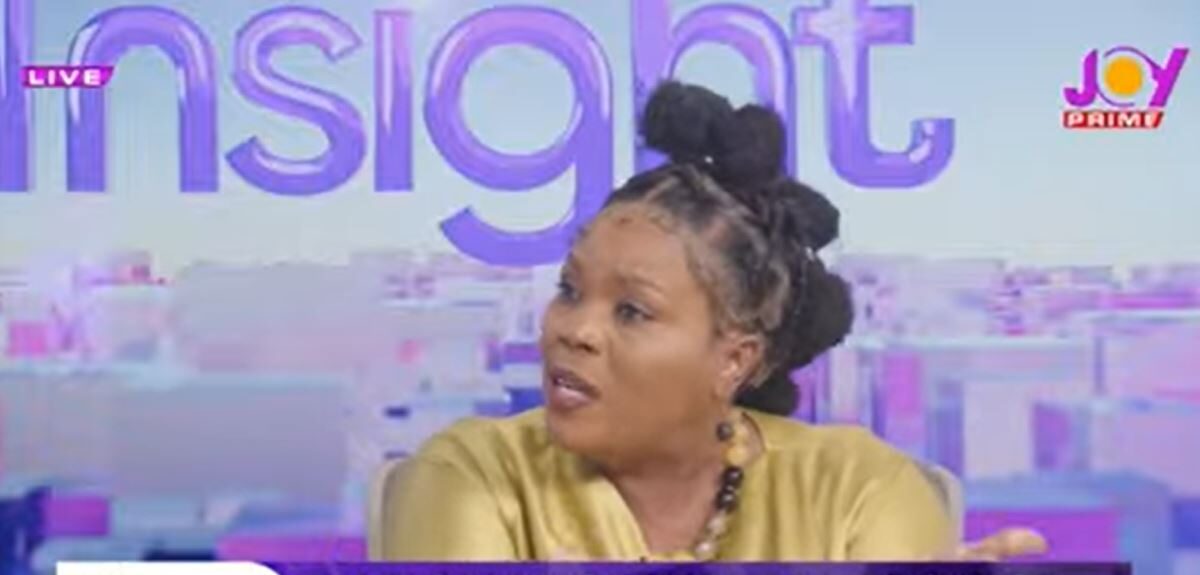
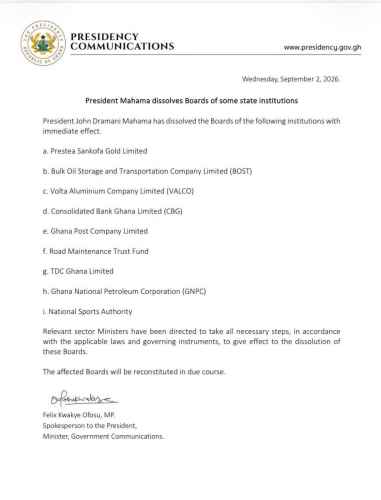
Former Deputy Energy Minister Andrews Egyapa Mercer has challenged the government's decision to dissolve the boards of nine state-owned organisations, alleging that the move could be politically motivated and disproportionately affects National Democratic Congress (NDC) sympathisers, including those linked to party General Secretary Asiedu Nketia.
Mercer's comments have reignited debate over the independence and impartiality of Ghana's state institutions, particularly how board members are appointed and removed across public enterprises and government agencies.
The Allegations and Claims
Mercer contends that the President's administration has not provided any public justification for dissolving these nine boards simultaneously. He suggests that the selectivity of who was removed points to a pattern of political targeting rather than performance-based decisions or organisational restructuring. The allegation implies that individuals perceived to be sympathetic to the NDC or associated with party leadership have been disproportionately affected by the dissolutions.
Such accusations, if substantiated, would raise serious questions about the neutrality of Ghana's public sector management and whether governance decisions are being made on merit or political affiliation.
Why It Matters for Ghana
Board governance in Ghana's state-owned enterprises is critical to national development. These organisations manage critical sectors including energy, finance, infrastructure, and social services. If key positions are filled or emptied based on political considerations rather than competence, it undermines institutional effectiveness and public confidence.
Ghana's democratic institutions depend on the independence and professionalism of state boards. Government agencies and state companies must be managed by capable individuals selected on the basis of expertise and integrity, not party loyalty. When opposition figures raise credible concerns about such practices, it highlights potential governance gaps that both ruling and opposition parties should address.
The timing of such dissolutions during Ghana's political cycle—with general elections scheduled—also tends to intensify scrutiny. Citizens and political actors become more alert to decisions that could be interpreted as consolidating political advantage or removing obstacles to executive agenda implementation.
Broader Context
Ghana's public institutions have historically faced challenges with politicisation of appointments. Civil service commissions, electoral bodies, and state enterprise boards have sometimes been perceived as reflecting the interests of the party in power. While some argue that alignment between political leadership and institutional management is necessary for policy coherence, others contend that professional independence protects long-term institutional credibility.
Mercer's intervention suggests that the opposition NDC is already positioning itself to scrutinise government decisions ahead of the election cycle. The party may use such allegations to energise its base and argue that the current administration is misusing state power for partisan ends.
The government, for its part, would likely argue that board dissolutions are routine administrative decisions undertaken to improve efficiency or implement strategic changes. Without transparent communication about the reasons for these dissolutions, however, space is created for speculation and criticism.
For Ghanaians, this dispute underscores the importance of transparency in public administration. Boards should be appointed and dissolved based on clear, published criteria. Civil society organisations and media outlets must continue to scrutinise such decisions to ensure accountability and protect the integrity of Ghana's institutions.
Source: 3News



Comments (0)
Be the first to comment.