
Chief Justice's Public Profile Draws Fire from Opposition Over Judiciary Independence Concerns


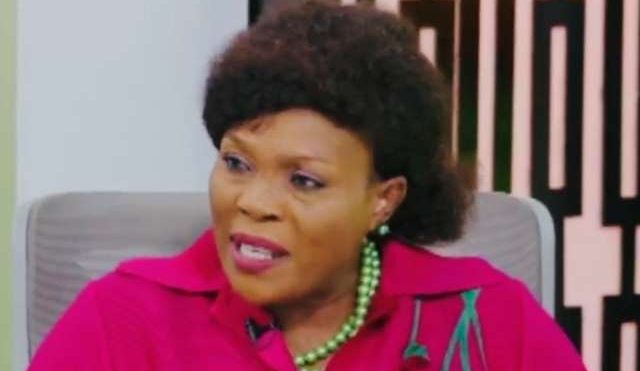
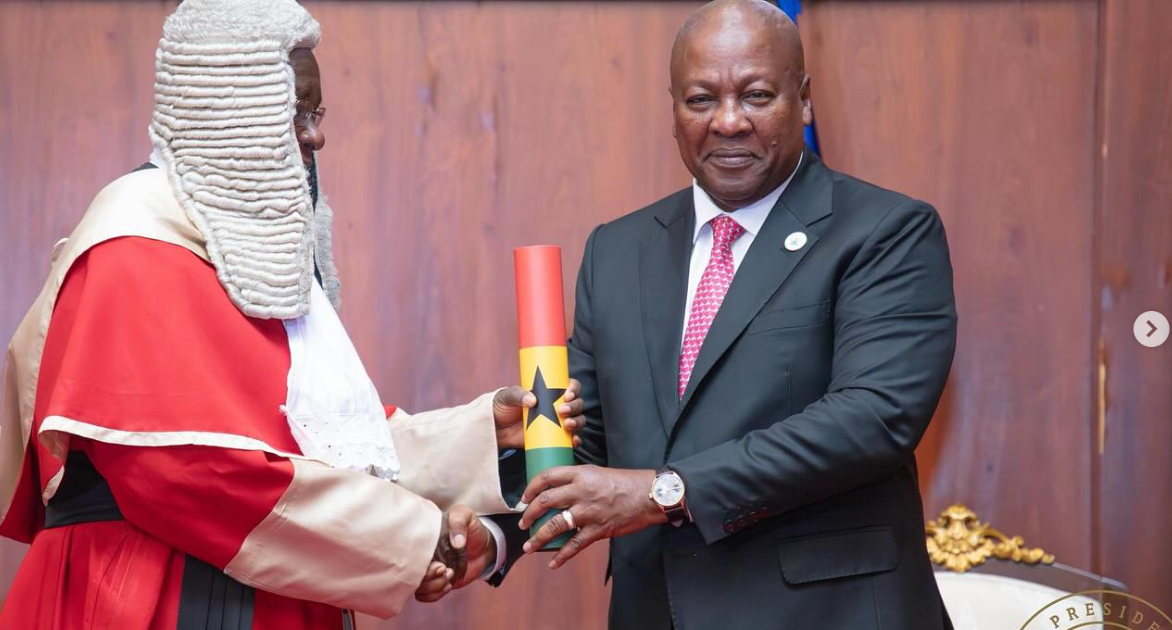
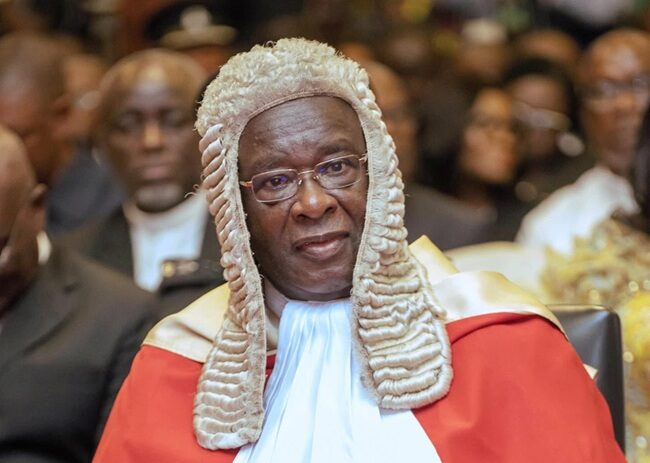
Opposition politics in Ghana intensified this week as People's National Party (PNP) flagbearer hopeful Janet Nabla levelled sharp criticism at Chief Justice Paul Baffoe-Bonnie, arguing that his frequent public appearances—particularly at events alongside National Democratic Congress (NDC) figures—threaten the perceived neutrality of Ghana's judicial system.
Speaking on Joy Prime radio on Saturday, Nabla expressed concern about what she characterised as the Chief Justice's unusually high public visibility, comparing his omnipresence to the ubiquity of telecoms giant MTN. She argued that the frequency and nature of his engagements—ranging from football-related activities to funerals of NDC-connected individuals—create an appearance that compromises judicial independence.
The criticism underscores a broader debate in Ghana about the boundaries between public figures' social participation and the maintenance of institutional impartiality. Nabla cited specific examples, including the Chief Justice's attendance at World Cup-related events where NDC constituency executives were present, and his participation in funeral ceremonies for deceased individuals with NDC links.
The Independence Question
At the heart of Nabla's concerns lies a fundamental principle of judicial systems: the appearance of impartiality is as vital as actual impartiality. Ghana's Constitution and judicial codes emphasise the independence of the judiciary from political influence, and Chief Justices hold symbolic and practical responsibility for upholding that standard.
Nabla rejected arguments that such social engagements should be depoliticised, contending that the Chief Justice's repeated proximity to NDC members and activities—whether at sporting events, celebrations, or state funerals—inevitably creates perceptions of political alignment. In her view, this undermines public confidence in the courts' ability to adjudicate fairly in politically sensitive cases.
Some observers might argue that judicial officers, as citizens, retain rights to participate in public life. However, Nabla's position reflects a school of thought that holds senior judges to a higher standard of conduct precisely because their role demands public trust and the appearance of absolute neutrality.
Why It Matters for Ghana
Ghana's judiciary has faced periodic scrutiny regarding its independence, particularly during election cycles and politically contentious judicial reviews. Public confidence in the courts is essential for democratic stability and the rule of law. If significant portions of the electorate—particularly opposition supporters—perceive the Chief Justice as politically aligned, it can erode institutional credibility.
The timing of Nabla's comments reflects the heat of Ghana's political season, with elections approaching and parties jostling for advantage. However, the underlying issue—how senior judicial officers should balance their roles as public figures with their duty to appear impartial—is genuinely complex and recurs in democracies worldwide.
Whether one agrees with Nabla's characterisation, her remarks highlight a legitimate tension: Chief Justices cannot entirely withdraw from public life, yet their visibility and associations carry weight that ordinary citizens' do not. For Ghana's democracy to function effectively, there must be consensus—or at least broad acceptance—that the Chief Justice operates above partisan politics.
The controversy also serves as a reminder that perception management is part of judicial leadership. Even if the Chief Justice's engagements are entirely innocent social participation, strategic visibility and careful attention to the political optics of his public presence may be prudent for maintaining public trust in the judiciary's independence.
Source: MyJoyOnline

Comments (0)
Be the first to comment.