
PNP's Nabla raises judicial impartiality concerns over Chief Justice's public NDC engagements
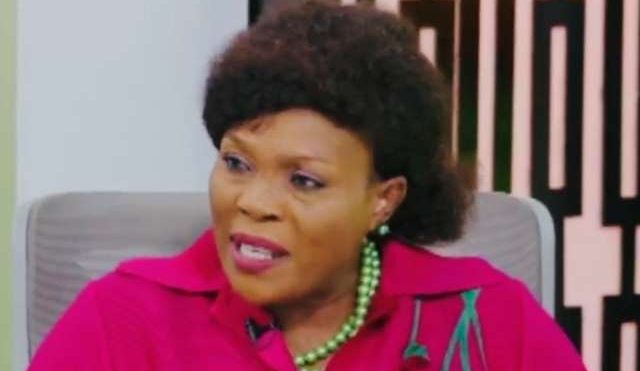

People's National Party (PNP) flagbearer Janet Nabla has raised serious questions about the political neutrality of Chief Justice Paul Baffoe-Bonnie, arguing that his regular visibility at public events alongside National Democratic Congress (NDC) members and supporters risks undermining public confidence in the judiciary's independence.
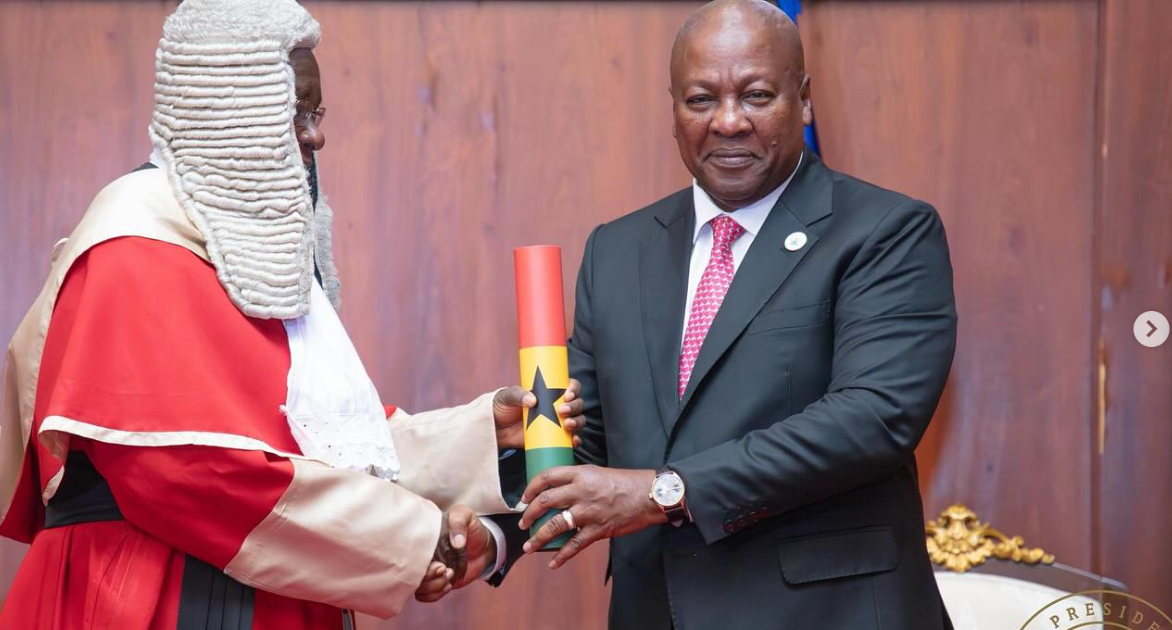
Speaking during an interview on Saturday, 5 September, Nabla expressed alarm at what she characterised as an unusually high public profile for Ghana's top judicial officer. She claimed the Chief Justice has been spotted at numerous NDC-linked events, including football activities connected to the recent World Cup and funerals of individuals associated with the governing party. "I have a very huge problem with the Chief Justice because we have never seen in our lives that a Chief Justice becomes MTN and goes everywhere," Nabla said, using an expression suggesting constant, visible movement.
Nabla rejected arguments that such appearances should be viewed as purely social engagements. She insisted that when senior judicial officials attend politically-charged gatherings, the optics matter significantly for public perception of the judiciary's impartiality. "People are saying that he is not doing political. Those are political activities," she stated, emphasising that the nature and context of events involving political actors inherently carry political weight.
The concern about judicial perception
At the heart of Nabla's criticism lies a fundamental principle of judicial governance: that senior judges must not only be impartial, but must be seen to be impartial. The appearance of political alignment, even if the Chief Justice maintains personal neutrality, can damage public trust in the judiciary's ability to deliver fair justice regardless of political affiliation.
Nabla argued that persons holding Ghana's highest judicial office bear particular responsibility for managing their public image. Their conduct outside the courtroom directly influences how citizens perceive whether the courts will treat all political actors equally. She questioned whether frequent, visible interactions with members of one political party—especially the ruling party—are compatible with the strict neutrality expected of the office of Chief Justice.
Why it matters for Ghana
This controversy reflects broader anxieties in Ghana about institutional independence during election periods. Ghana's judiciary plays a crucial role in resolving electoral disputes and upholding constitutional guarantees. Public confidence that the courts will rule fairly, without partisan influence, is essential to democratic stability.
When opposition figures publicly question a Chief Justice's impartiality based on social visibility, it signals potential erosion of trust in judicial neutrality—even if unintentional. In a democracy approaching elections, such perceptions can undermine the judiciary's ability to command respect across political lines if election-related cases reach the courts. The controversy also highlights the fine line senior judges must walk: remaining part of society whilst maintaining the distance and discretion their office demands.
Nabla's comments form part of a wider public debate about the Chief Justice's public conduct and whether his level of social engagement is appropriate for someone holding Ghana's most senior judicial position. The underlying tension centres on how much social participation is compatible with the independence the judiciary must preserve.
Source: The Ghana Report


Comments (0)
Be the first to comment.