
Police Women's Association Rallies Behind Vulnerable Women at Gambaga Witchcraft Camp


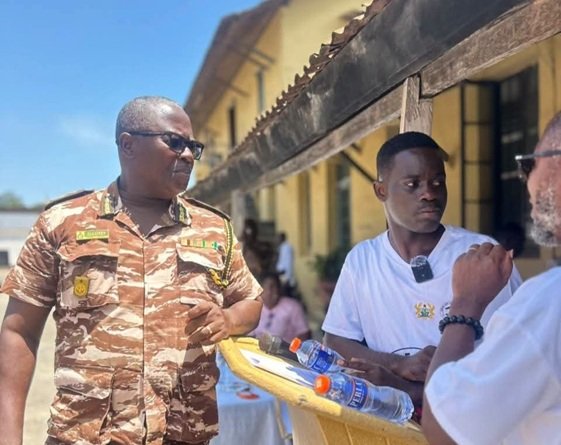
The Police Women Association has thrown its weight behind residents of the Gambaga Alleged Witches Camp, a facility in the Northern Region that houses women accused of witchcraft. The intervention comes as the camp faces a deepening humanitarian crisis, with basic necessities becoming increasingly scarce.
According to camp manager Sampson Larry, the facility is grappling with severe shortages across multiple critical areas. Food supplies are insufficient to feed residents adequately, accommodation remains cramped and substandard, and access to essential hygiene materials has become a pressing concern. These conditions underscore the vulnerability of the women sheltered there, many of whom have fled communities where they faced persecution.
The Reality at Gambaga
Gambaga's camp has long been a refuge for women seeking protection from accusations of witchcraft—a persistent social phenomenon in parts of northern Ghana despite lacking scientific or legal basis. Women accused are often subjected to violence, ostracism and forced exile by their communities. The camp provides sanctuary, yet it operates under severe resource constraints that limit its ability to offer dignified living conditions.
The involvement of the Police Women Association represents institutional recognition of the camp's struggles and the specific vulnerabilities facing its residents. The association's support signals a commitment to ensuring that vulnerable populations receive attention and assistance from state structures.
Why It Matters for Ghana
This situation highlights several interconnected challenges facing Ghana. First, it exposes the persistence of witchcraft accusations in certain communities—a cultural practice that contradicts national law and modern understanding whilst causing real harm to innocent people, predominantly women and elderly persons.
Second, it reveals the gaps in state provision for vulnerable populations. Facilities designed to protect marginalised groups often operate on minimal budgets, relying heavily on goodwill and external support. The Gambaga camp's struggle mirrors broader challenges in social welfare infrastructure across Ghana.
Third, the Police Women Association's involvement demonstrates how professional bodies can leverage their position to advocate for justice and human dignity. Their engagement may help bring greater visibility to conditions at the camp and potentially mobilise additional resources and policy attention.
The witchcraft accusation phenomenon remains a human rights concern in Ghana, particularly affecting women in rural northern communities. While the camp provides life-saving refuge, sustainable solutions require both improved resourcing and broader social change—including community education programmes that challenge harmful superstitions and reinforce the rule of law.
Moving Forward
The immediate priority must be addressing the acute shortages of food, shelter and hygiene materials. Longer term, Ghana requires comprehensive strategies that combine victim protection with prevention efforts targeting the root causes of witchcraft accusations in affected communities. The Police Women Association's support is a step forward, but addressing this challenge fully demands sustained commitment from government agencies, civil society organisations and development partners.
Source: 3News


Comments (0)
Be the first to comment.