
European diplomats attacked by Israeli settlers in West Bank; Belgium demands justice
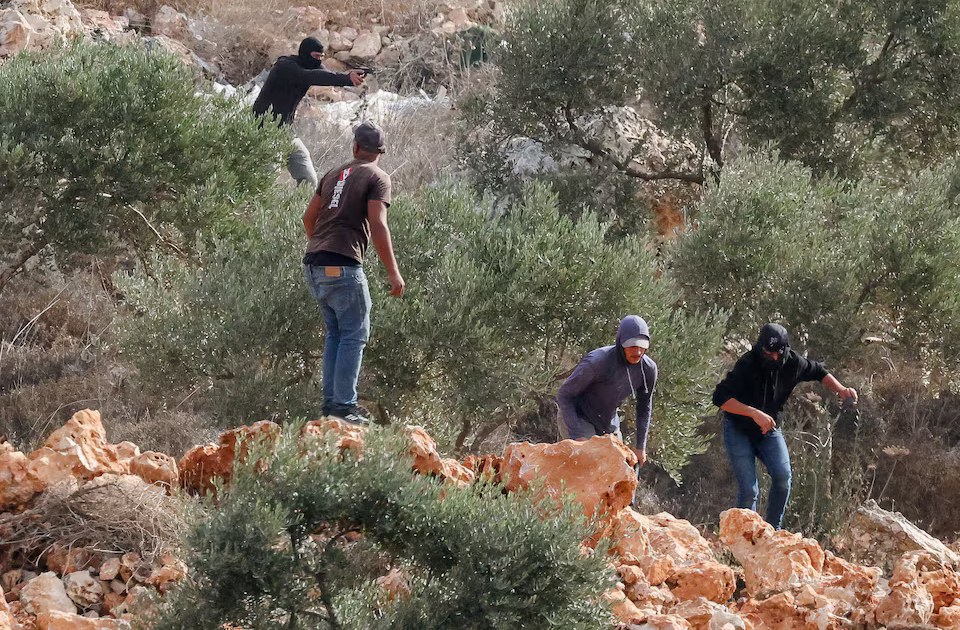

Tensions in the occupied West Bank have escalated after Israeli settlers attacked European diplomats, Palestinian civilians and international observers on Saturday, prompting demands for accountability from Brussels and Warsaw.
According to Belgium's Foreign Minister Maxime Prevot, the coordinated assault targeted the Belgian consul general to the Palestinians, alongside French and Polish diplomatic staff, as well as Catholic representatives. A Belgian vehicle was also damaged during the incident. The attack came just hours after American photojournalist Heidi Levine, working for The Washington Post, was hospitalised following a separate assault by masked settlers during olive harvest operations.
What happened and who was involved
Bernard Baudoux, the mayor of Aulnoye-Aymeries in northern France, was among those attacked whilst participating in an olive harvest near the Palestinian Christian village of Taybeh in a show of solidarity with the local community. Baudoux described being violently attacked and thrown to the ground by masked settlers. Polish Foreign Ministry spokesman Maciej Wewior confirmed that a diplomatic convoy including Polish officials came under attack, though Polish staff were unharmed.
Israeli Police have opened an investigation into the incident, though no immediate arrests were announced. The response from Israeli officials has been mixed—Foreign Minister Gideon Saar condemned the perpetrators as Israeli rioters but suggested the diplomats should have coordinated their visit with the military beforehand, implying the violence could have been prevented through advance notice.
Broader context of settler violence in the West Bank
Saturday's attacks are part of a troubling pattern. Settler violence against Palestinians in the West Bank has surged significantly over the past three years, with journalists, human rights activists and foreign observers increasingly becoming targets. The incident underscores a persistent challenge: whilst Israeli officials periodically condemn such violence as the work of a small minority, Palestinians and international human rights organisations dispute this characterisation, pointing to broader patterns of unchecked aggression.
Prosecutions of settlers accused of violent crimes against Palestinians remain exceptionally rare, contributing to a sense of impunity that critics say enables further violence. Palestinian Vice President Hussein al-Sheikh characterised the attacks as a symptom of what he called the daily terrorism facing Palestinian communities.
Why it matters for Ghana and the African perspective
Although geographically distant, these developments carry significance for Ghana and the broader African community. Ghana, as a member of the United Nations Security Council and a vocal advocate for human rights and international law, has consistently emphasised the importance of protecting civilians in conflict zones and holding all parties accountable for violations. The targeting of foreign diplomats—particularly European officials—represents an escalation that affects international relations and the safety of those monitoring compliance with humanitarian standards.
Belgium has announced it will push for European Union sanctions against those responsible for the violence and their supporters, and has previously declared a ban on imports from Israeli settlements. Such measures reflect growing international frustration with what many view as inadequate accountability mechanisms. For Ghana, which prides itself on rule of law and democratic principles, incidents involving diplomatic immunity violations and unprosecuted violence against civilians raise concerns about global standards and enforcement.
Prevot emphasised that harvesting olives, reporting news or conducting diplomatic duties should never place people at risk, calling for an end to impunity for violent settlers. The incident highlights ongoing tensions and the challenges faced by international observers attempting to monitor and document conditions in occupied territories.
Source: MyJoyOnline

-1200x1472.webp)

Comments (0)
Be the first to comment.