Oti Region tackles healthcare crisis with regional medical store plan
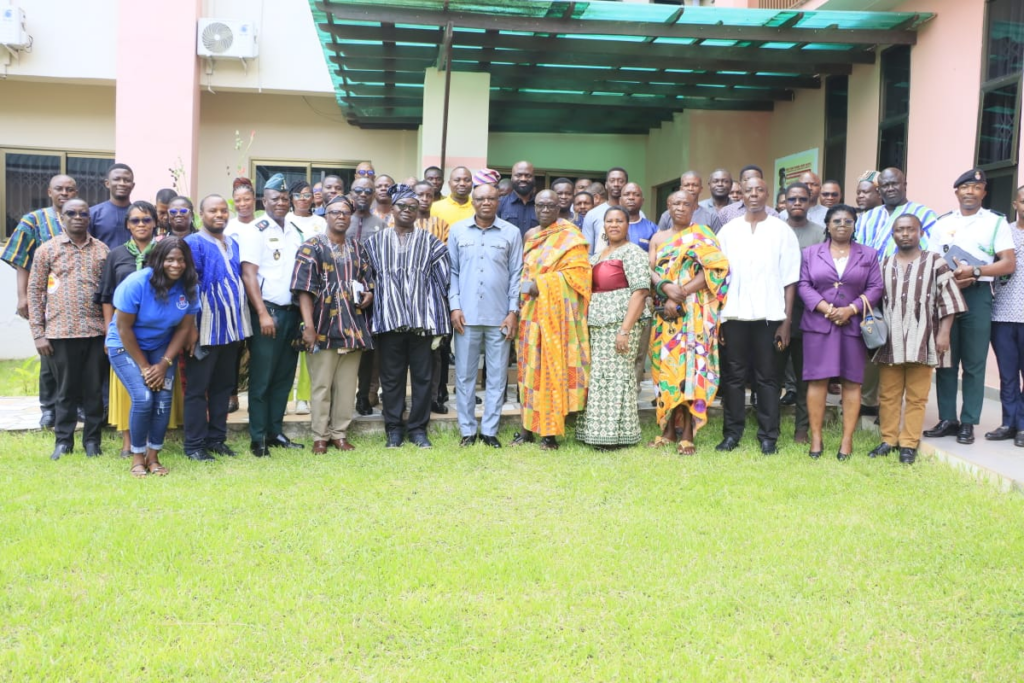
The Oti Regional Health Committee has launched an ambitious initiative to establish a central medical store in Worawora, aiming to address critical gaps in healthcare delivery across the region. The move comes as officials acknowledge that the Free Primary Healthcare policy, whilst well-intentioned, remains out of reach for many Ghanaians in remote communities due to medicine shortages, poor distribution systems, and inadequate infrastructure.
Speaking at the 2026 Half-Year Performance Review Meeting of the Oti Regional Health Directorate, Committee Chairman Prof Mark Appiah outlined the challenges facing healthcare access in the region. Distance, transportation difficulties, poverty, and inadequate facilities continue to prevent residents—particularly in remote areas—from receiving basic medical care. The new medical store is positioned as a critical solution to streamline the supply chain and ensure medicines reach health facilities promptly.
The Medicine Shortage Crisis
Currently, the Oti Region operates without its own central medical storage facility, relying instead on supplies from neighbouring regions. This dependency creates delays and frequent stock-outs at health centres and Community-based Health Planning Services (CHPS) compounds, undermining the government's Free Primary Healthcare initiative.
Dr Kofi Amo-Kodieh, the Oti Regional Director of Health Services, described the proposed medical store as potentially transformative for healthcare delivery. He emphasised that policy directives alone are insufficient: citizens require tangible access to medicines and equipment when they visit health facilities. A reliable storage and distribution hub in Worawora would reduce delays, cut costs associated with long-distance transport, and strengthen the region's capacity to serve all nine districts and municipalities.
Addressing broader health system weaknesses
Beyond medicine distribution, the Committee has identified a critical human resources crisis. The Oti Region faces a shortfall of 3,592 health workers needed for optimal facility operation. This shortage is particularly acute at remote CHPS compounds and health centres, placing immense pressure on available staff and compromising service quality.
Alongside the medical store initiative, Prof Appiah announced a separate project to document, demarcate, and secure legal title to Ghana Health Service lands across the region. Beginning in Worawora, this exercise will involve collaboration with the Lands Commission, traditional authorities, and district assemblies. The effort aims to protect health sector assets from encroachment and land disputes—a practical step ensuring that health facilities built today remain available for future generations.
Why it matters for Ghana
The Oti Region initiative reflects broader challenges facing Ghana's healthcare system in rural and semi-rural areas. While the Free Primary Healthcare policy has expanded coverage nominally, gaps in medicine supply, distribution logistics, and staffing remain fundamental obstacles. Oti Region's experience is not unique; similar problems affect health service delivery across northern Ghana and other under-resourced regions.
The success of this initiative could provide a replicable model for other regions struggling with centralised supply chains and medicine stock-outs. If the Worawora medical store reduces distribution delays and improves facility-level medicine availability, it may offer lessons for strengthening healthcare delivery nationwide. The project also underscores the government's ongoing challenge in matching policy ambitions with resource allocation and workforce development—issues that directly affect millions of Ghanaians seeking affordable, accessible healthcare.
Prof Appiah's call for stakeholders, diaspora natives, and corporate organisations to support the initiative suggests that realising the vision will require broader partnership beyond government budgets. Whether adequate funding materialises and the project proceeds as planned remains to be seen, but the recognition of these gaps represents a necessary step toward addressing healthcare inequities in Oti Region.
Source: MyJoyOnline



Comments (0)
Be the first to comment.