Oti Region Set for Major Power Push: 90 Communities to Get Electricity Under New Government Initiative
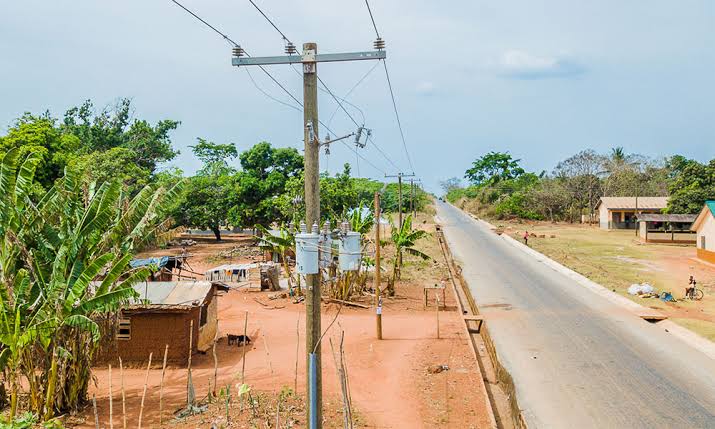
The Oti Region is poised for significant infrastructure transformation as the government rolls out an ambitious electrification programme designed to bring reliable electricity to 90 underserved communities spread across all nine districts in the region. The Turnkey Electrification Project, implemented through the Rural Electricity Acceleration and Urban Intensification Initiative (REIP), represents a critical step in Ghana's broader push to bridge the electricity access gap that continues to hinder development in remote areas.
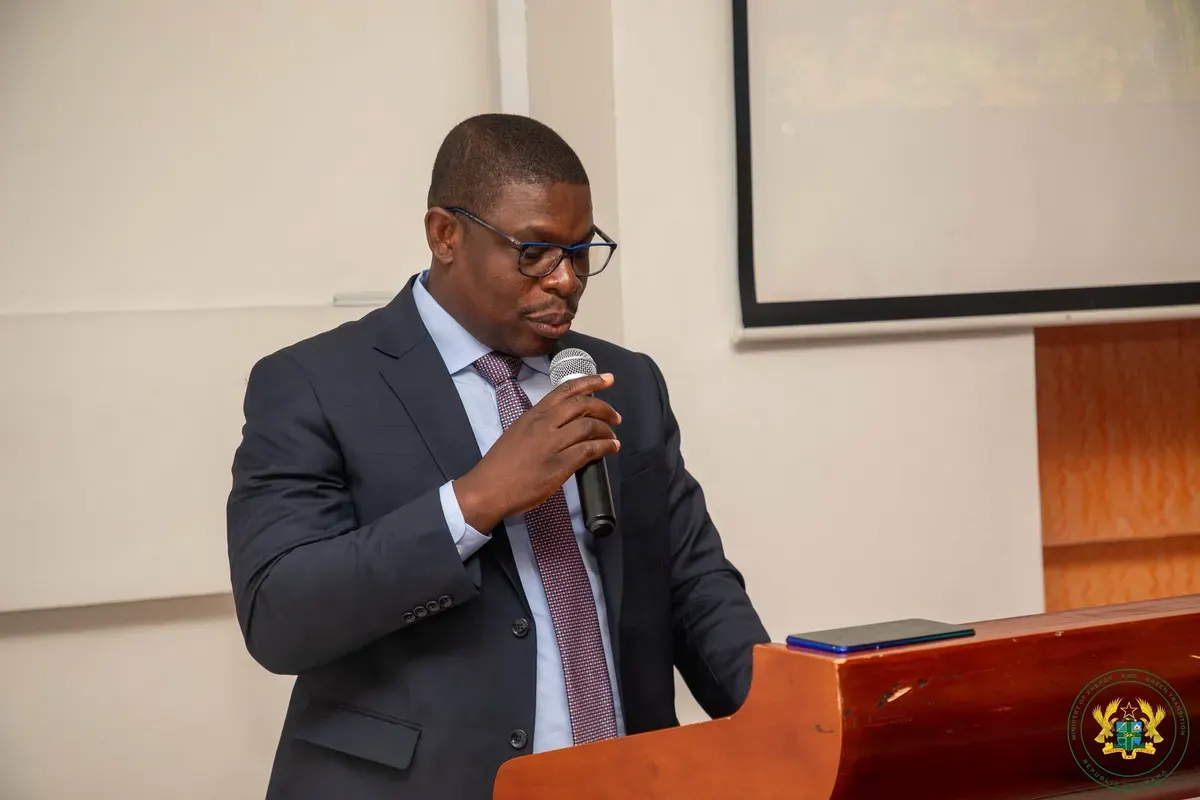
Deputy Minister of Energy and Green Transition Richard Gyan-Mensah disclosed that the initiative tackles two distinct challenges simultaneously: extending power to communities entirely without electricity whilst simultaneously strengthening existing networks in urban and semi-urban areas. This dual approach recognises that electricity challenges in Ghana are not uniform—whilst some communities lack any grid connection, others struggle with unreliable supply and frequent outages that disrupt business and social services.
How the Project Will Work
The implementation strategy reflects pragmatic recognition of Ghana's geography and infrastructure realities. For communities positioned near existing distribution networks, the government will extend conventional grid connections. However, for isolated settlements far from the main grid, authorities are exploring mini-grid systems powered by renewable energy—a cost-effective solution increasingly favoured for rural electrification across Africa.
A crucial component of the rollout involves the deployment of 2,000 distribution transformers by the Electricity Company of Ghana (ECG) and Northern Electricity Distribution Company (NEDCo). These transformers are essential equipment that step down voltage levels to usable levels for homes and businesses, and their installation will directly improve supply stability and reduce technical losses.
Beyond electricity connections, the government is simultaneously improving community safety and street lighting through a nationwide solar streetlight programme. Approximately 23,000 solar-powered streetlights will be installed across the country, with Metropolitan, Municipal and District Assemblies contributing to installation costs alongside central government financing.
Why It Matters for Ghana
The Oti Region initiative is part of President John Dramani Mahama's directive to systematically expand rural electrification across all 16 regions over the next four years. Currently, the Volta, Oti, Savannah and North East regions are receiving prioritised attention, reflecting government focus on areas with historically lower electricity access rates.
Reliable electricity fundamentally transforms development prospects. As Oti Regional Minister John Kwadwo Gyapong emphasised, stable power supply creates opportunities in critical sectors—schools can extend learning hours and access digital resources, health facilities can operate refrigeration and diagnostic equipment reliably, and small businesses can operate consistently and competitively. The regional economy depends on this foundational infrastructure.
The beneficiary communities span Guan, Buem, Akan, Biakoye, Nkwanta South, Nkwanta North, Krachi Nchumuru, Krachi West and Krachi East districts. Le-Grino has been contracted to undertake the actual installation work.
Implementation Challenges Ahead
Success depends on several factors beyond technical installation. Deputy Minister Gyan-Mensah specifically called on traditional authorities, district assemblies and citizens to collaborate in protecting infrastructure, preventing illegal connections and maintaining rights-of-way essential for project execution. Additionally, the government emphasised the necessity of consumer bill payment—electricity systems only remain sustainable when users pay for the service they receive.
The ministry is also progressing on complementary infrastructure along the Eastern Corridor, with planned power line connections including Ho to Asiekpe, Kadjebi to Ho, Adobire to Salaga and Tamale to Salaga, implemented in phases to improve supply and voltage stability across the broader region.
Source: MyJoyOnline


Comments (0)
Be the first to comment.