Ghana's Energy Minister Outlines Public-Private Partnership Strategy to Hit 2030 Renewable Targets
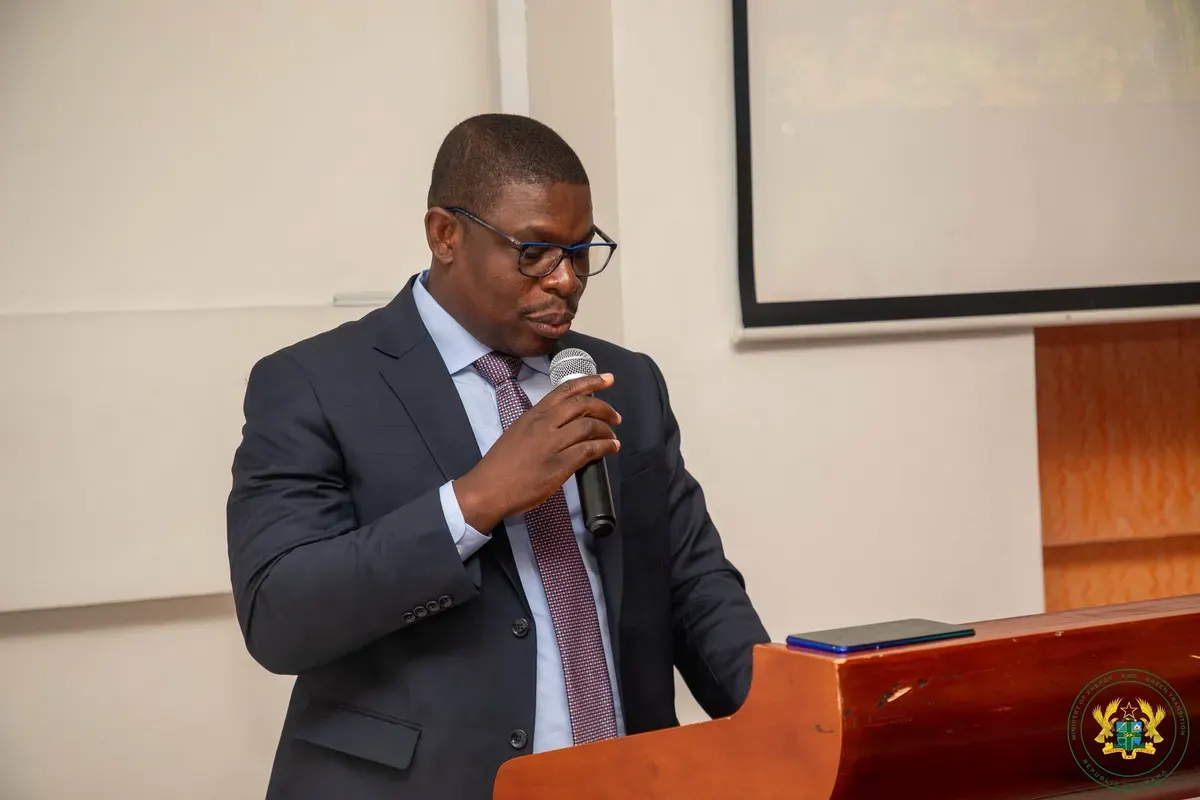
Ghana is doubling down on public-private partnerships to bridge the financing gap needed to achieve its ambitious renewable energy and universal electrification goals by 2030, according to statements from the Deputy Minister for Energy.
The government's energy roadmap relies on a diversified infrastructure strategy rather than a single solution. This approach recognises that Ghana's geography, economic landscape, and existing grid capacity require tailored solutions across urban, peri-urban, and rural communities.
Three-Pillar Strategy for Universal Access
The national electrification pathway rests on three complementary technologies. Grid intensification focuses on strengthening transmission and distribution networks in areas already connected to the national grid, reducing technical losses and improving reliability. Mini-grid systems are being deployed in off-grid communities where extending the main grid is economically unfeasible, providing localised power generation and distribution. Solar home systems—standalone photovoltaic installations for individual households—serve as an entry point for energy access in remote areas with limited infrastructure.
Distributed renewable energy resources, including small-scale solar installations and community-based renewable projects, form the fourth component, allowing communities to generate and manage their own power supply whilst contributing to national renewable energy targets.
Why it Matters for Ghana
Ghana's energy security and economic development hinge on expanding electricity access beyond the current grid. Approximately 85% of Ghanaians have access to electricity, but disparities between urban and rural areas remain stark. Rural electrification is critical for agricultural productivity, small business development, and quality of life—factors directly linked to reducing rural-to-urban migration and supporting inclusive growth.
The public-private partnership model is particularly significant given Ghana's fiscal constraints. Attracting private capital reduces the burden on government budgets whilst leveraging private sector efficiency and innovation. International climate finance, development banks, and private investors increasingly fund renewable energy projects in developing economies, making PPPs an essential tool for Ghana to mobilise the estimated billions needed for its energy transition.
Ghana's renewable energy targets form part of broader commitments under the Paris Agreement and continental African energy initiatives. Achieving these targets strengthens Ghana's standing internationally, attracts green investment, and positions the country as a regional energy hub.
Implementation Challenges Ahead
Rolling out this multi-technology approach poses logistical and financial hurdles. Mini-grid technology requires robust maintenance networks and spare parts supply chains. Solar home systems demand consumer financing mechanisms accessible to low-income households. Grid intensification requires substantial upfront capital investment and skilled technical expertise.
Successful execution also depends on regulatory clarity, particularly regarding tariff structures, licensing for mini-grid operators, and interconnection standards. Poor regulation can deter private investors or create barriers for small renewable energy entrepreneurs.
The deputy minister's emphasis on PPPs signals Ghana's recognition that government resources alone cannot meet the 2030 targets. The coming months will reveal whether Ghana can effectively structure deals that balance investor returns with affordable energy access for ordinary Ghanaians.
Source: 3News

-720x430.webp)
Comments (0)
Be the first to comment.