OSP Claims Attorney-General's Office Rejected Collaboration Requests on Multiple Cases
The Office of the Special Prosecutor (OSP) has publicly alleged that Ghana's Attorney-General has rebuffed multiple requests for case-specific collaboration, raising fresh questions about institutional coordination in the country's fight against corruption and organised crime.
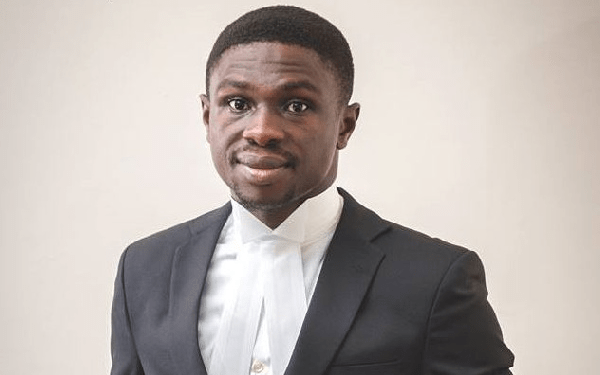
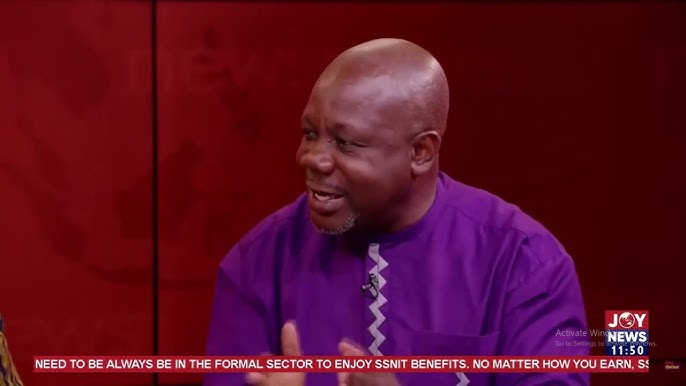
Samuel Appiah Darko, the Director of Strategy, Research and Communications at the OSP, made the assertion during an appearance on JoyNews' Newsfile programme on Saturday, 29 August. He stated that the OSP had approached the Office of the Attorney-General on several occasions seeking cooperation but had not received the support it requested.
"There are so many issues the OSP has kept quiet and not talked about. Look, there are instances where the OSP has approached the Attorney General's office and said, let us collaborate in this matter and we have been turned down," Mr Appiah Darko said.
Balancing Transparency with Institutional Discretion
The OSP official sought to reframe concerns about the apparent lack of public coordination between the two bodies, arguing that not all institutional interactions should be disclosed to the public. He contended that managing a state institution—particularly an expensive one like the OSP—requires selective communication about internal matters.
"When you are managing a state institution, a very expensive one, it is not all the information you will come out to the public to talk about," he noted.
According to Mr Appiah Darko, the OSP maintains a generally positive working relationship with the Attorney-General and other stakeholders involved in Ghana's criminal justice system, but there have been specific instances where case collaboration requests were declined. He suggested that public commentary on the OSP's performance and institutional relationships often overlooks significant work and engagements that remain confidential.
Why It Matters for Ghana
The revelation underscores broader tensions within Ghana's institutional framework for combating corruption and financial crime. The OSP, established in 2018 as an independent prosecutorial body, and the Attorney-General's office, which serves as the chief legal officer and head of the prosecution service, are supposed to be complementary institutions working toward the same objectives.
When coordination between such agencies breaks down, it can create gaps in investigations, duplicate efforts, or allow suspects to exploit institutional friction. Ghana's corruption-fighting credentials are scrutinised both domestically and internationally, and public confidence in these institutions depends partly on visible cooperation.
The OSP's comments also reflect a broader challenge facing Ghana's anti-corruption architecture: balancing the need for transparency and public accountability with the operational requirements of sensitive investigations. Ghanaians have consistently indicated concern about corruption through opinion polls and civic engagement, making institutional effectiveness in this area a matter of genuine public interest.
Public Perception vs. Behind-the-Scenes Work
Mr Appiah Darko's defence of non-disclosure raises legitimate questions about how Ghanaians should assess institutional performance when much of the work remains hidden. While confidentiality is necessary to protect ongoing investigations, the lack of visible collaboration can fuel suspicion about institutional priorities and political interference.
The comments come against a backdrop of periodic public scrutiny of both the OSP and the Attorney-General's office regarding case outcomes, prosecutorial independence, and resource allocation. Stakeholders in Ghana's civil society and legal communities have occasionally raised concerns about whether institutional relationships are governed primarily by professional considerations or political factors.
The OSP official's statement suggests that evaluating institutional effectiveness requires understanding what occurs beyond public announcements, but it also highlights the inherent tension between institutional secrecy and democratic accountability.
Source: MyJoyOnline
Comments (0)
Be the first to comment.