
NPP must rebuild business confidence to regain political footing – Afoko's chairman bid centres on economic recovery
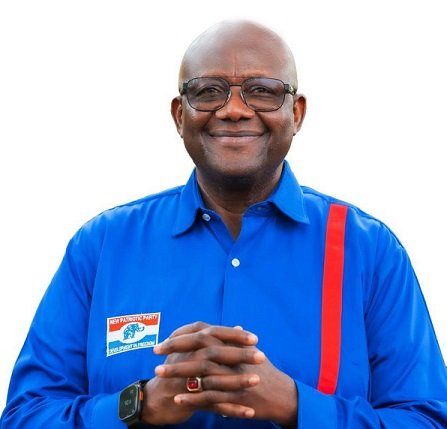

The New Patriotic Party faces a critical moment as former National Chairman Awentami Paul Afoko launches his bid to lead the party, with a central message: the NPP must repair its relationship with Ghana's business community to remain politically competitive. Speaking at a press conference in Accra on 14 July, Afoko acknowledged that the party's previous administration alienated key economic players through policies that created hardship and uncertainty, a disconnect he argues must be urgently reversed.
Afoko's intervention signals recognition within NPP circles that the party has drifted from its historical identity as the champion of enterprise and wealth creation. He framed the challenge candidly, telling the business community: "We know that mistakes were made. We know that some of you felt disappointed. We know that some policies and actions created hardship, uncertainty or frustration." This unusually direct acknowledgement of policy failures marks a departure from defensive party messaging and suggests Afoko believes honest reckoning is necessary to rebuild credibility.
The lost economic coalition
Afoko's core argument rests on a clear diagnosis: the NPP has historically derived its strength from a coalition of traders, manufacturers, farmers, transport operators, artisans, professionals and technology entrepreneurs. When that coalition feels neglected or harmed by government decisions, the party loses its natural base. His proposed remedy involves deliberately re-engaging these sectors through what he terms a "new prosperity agenda" that prioritises investment-friendly policies, entrepreneurship support and job creation.
The specificity of his pitch—naming traders, manufacturers, farmers, transport operators, artisans, professionals, contractors and young start-ups—suggests awareness of which constituencies have become particularly restless. This reflects real tensions that emerged during the NPP's recent tenure, including complaints from informal traders about taxation, concerns from manufacturers about utilities costs and frustration among youth about limited job opportunities.
Why it matters for Ghana
The health of Ghana's political competition depends partly on whether either major party can credibly claim to champion economic opportunity. If the NPP—traditionally seen as pro-business—loses that constituency to the National Democratic Congress or fails to inspire confidence among entrepreneurs, it weakens the incentive for any governing party to prioritise private sector growth. Afoko's bid represents an implicit recognition that the 2024 election results (which favoured the NDC) reflected not just voter fatigue but specific alienation among business owners who felt economically damaged by NPP policies.
His emphasis on rebuilding trust is also strategically important because Ghana's economic recovery will require private investment and entrepreneurial dynamism. When businesses lose confidence in government—whether through unpredictable policy, corruption concerns or perceived neglect—capital flees, investment delays and job creation stalls. A functioning opposition that can credibly promise better private sector relations creates accountability pressure on the government and offers voters a genuine choice.
For ordinary Ghanaians, this matters because it affects whether politicians compete on the basis of who can best create jobs, support small business and foster innovation. Afoko's candidacy suggests elements of the NPP recognise they must win back voter trust through concrete economic promises, not just opposition to the ruling party.
Building a forward strategy
Afoko stressed that merely making political promises will not suffice. He called for a "renewed commitment to policies that encourage investment, support entrepreneurship, and create an environment where citizens can pursue economic opportunities." This framing hints at policy specifics the NPP would need to develop: clarity on taxation of informal traders, support for local manufacturing, infrastructure for transport operators, and finance access for start-ups.
Whether his chairmanship bid succeeds will depend partly on whether the broader NPP apparatus accepts that returning to power requires genuine policy innovation and not just tactical repositioning. The business community's response to such promises will likely shape the party's trajectory as it heads toward the 2028 election cycle.
Source: The Ghanaian Times


Comments (0)
Be the first to comment.