NPP MP Challenges Government on 800,000 Jobs Promise as Mid-Year Budget Review Sparks Parliamentary Debate
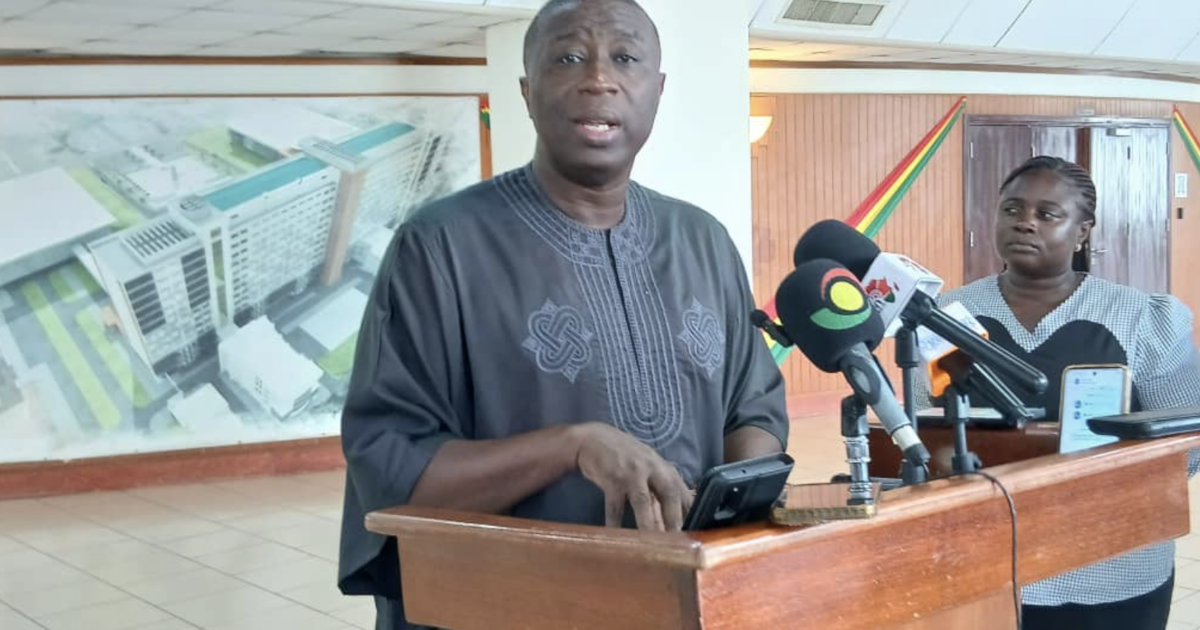
Parliament has become a flashpoint for economic accountability as the government faces fresh scrutiny over its flagship campaign pledges. During Tuesday's debate on the Mid-Year Budget Review of the 2026 Budget Statement, Patrick Yaw Boamah, the New Patriotic Party (NPP) MP for Okaikwei Central, mounted a pointed challenge to government priorities, demanding clarity on the status of the promised 800,000 jobs that have been notably absent from official mid-year reporting.
The heated parliamentary exchange underscores growing tension between majority and minority lawmakers over how Ghana's improved revenue performance is translating into tangible benefits for ordinary citizens. Boamah's remarks zeroed in on what he characterised as a disconnect between government revenue success and the lived reality of Ghanaians struggling with delayed public sector salaries and unfulfilled employment commitments.
The Core Criticism: Money Without Results
Boamah's central argument struck at the heart of economic management credibility. He highlighted the apparent paradox of government officials celebrating robust revenue mobilisation whilst critical public servants—doctors, nurses, and teachers—face payment delays. "A government that has raised so much money and cannot even pay doctors, nurses, and teachers, and the Minister is very comfortable reporting this to us," he stated during the session.
More significantly, the Okaikwei Central MP pressed the government on its most visible campaign promise: the creation of 800,000 jobs. The fact that this commitment received no substantive update during the mandatory mid-year review suggests either significant implementation challenges or deprioritisation of the pledge. Boamah used this absence as evidence of misaligned priorities, arguing that job creation should remain central to government policy rather than peripheral to it.
Beyond national employment figures, Boamah raised constituency-specific concerns about development projects in Ajumako, the constituency of Finance Minister Dr Cassiel Ato Baah Forson. He alleged that whilst the government invests in military infrastructure and specialist hospital facilities, residents and cocoa farmers remain more urgently concerned with employment opportunities and payment arrears. This localised critique suggests that implementation of government projects may not always align with community needs or national priorities.
Why It Matters for Ghana
This parliamentary debate reflects a critical challenge facing Ghana's current administration: converting improved fiscal capacity into improved living standards. The mid-year budget review process, mandated by Article 179 of the 1992 Constitution and the Public Financial Management Act 2016, serves as the nation's formal checkpoint for assessing whether government is tracking towards its stated goals and whether public finances are being managed transparently.
For Ghanaians, the 800,000 jobs promise was a central pillar of the electoral campaign. Its absence from mid-year reporting raises legitimate questions about implementation pace and commitment. Similarly, delays in paying public sector workers have real consequences for healthcare delivery, education quality, and social stability—areas critical to national development.
Boamah's reference to the Tree Crop Development Authority Act and the planned US$500 million oil palm sector investment also illustrates a broader concern: that sectoral policies may exist on paper without effective coordination or timely execution. For an economy dependent on agriculture and seeking diversification, such disconnects between policy intent and implementation represent significant lost opportunity.
Parliament's Role and the Road Ahead
The debate itself underscores why the mid-year budget review requirement matters constitutionally. It forces government to publicly account for its stewardship mid-term, allowing Parliament and citizens to assess whether adjustments are needed. Both government and opposition sides defended their respective records, with the Majority countering criticism of Finance Minister Forson's revenue mobilisation efforts.
The review also highlighted some government policy shifts, including removal of certain taxes from the previous administration such as the E-Levy on mobile money transactions. However, broader questions about employment delivery and public sector wage management appear unresolved as Parliament continues its debate in coming days.
For Ghanaians watching parliamentary proceedings, the underlying message is clear: improved government revenue must ultimately manifest in job creation, timely salaries for essential workers, and efficient project implementation. Without this translation of fiscal strength into economic opportunity and stability, public trust in government economic management will continue to erode.
Source: MyJoyOnline

Comments (0)
Be the first to comment.