
NDPC set to oversee Ghana's ambitious $10 billion New Economy transformation programme
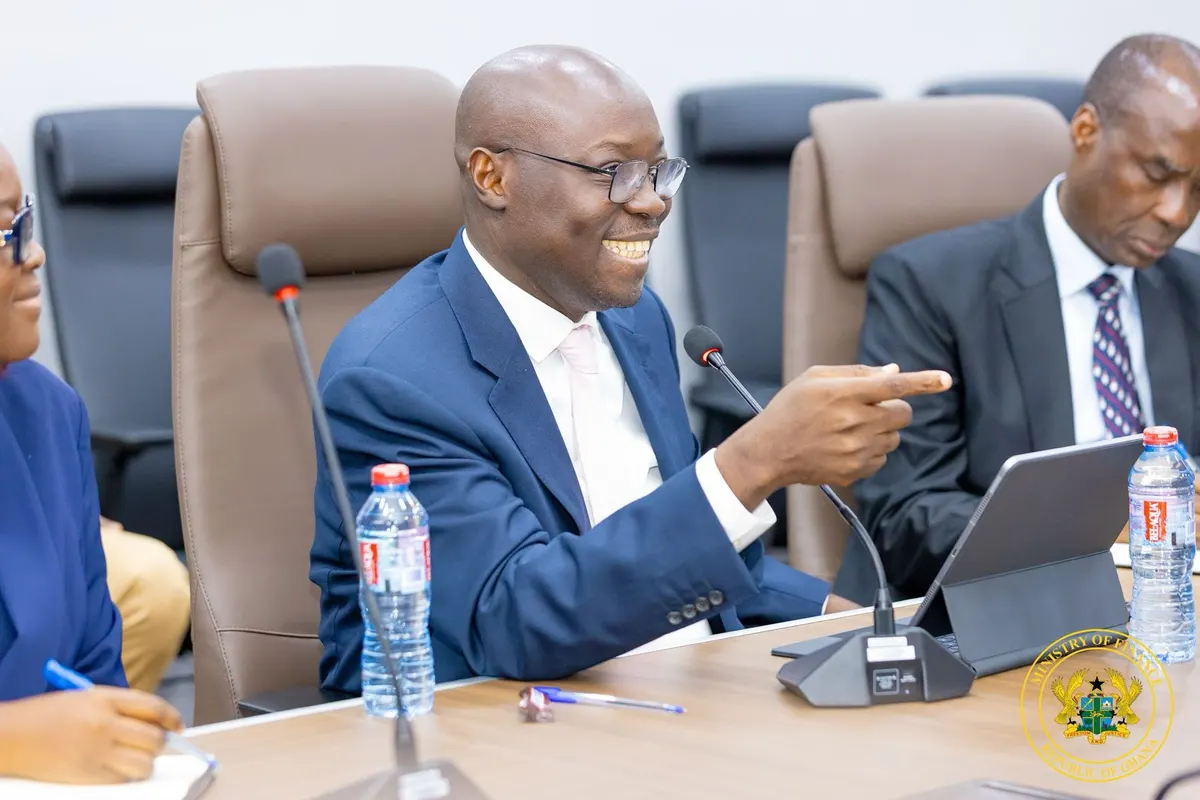

Ghana's National Development Planning Commission (NDPC) has been tasked with overseeing the rollout of the government's transformative $10 billion New Economy programme, according to Dr. Ato Forson. The initiative represents a significant economic pivot aimed at reshaping Ghana's development trajectory, with comprehensive details expected to be revealed when the 2027 Budget is presented to Parliament.
What is the New Economy Agenda?
The $10 billion New Economy programme signals the government's commitment to steering the Ghanaian economy towards new growth pathways. While full particulars remain under wraps until the 2027 Budget presentation, the scale of investment suggests a comprehensive overhaul touching multiple sectors. The NDPC's involvement indicates this is a coordinated national initiative rather than ad-hoc sectoral interventions.
The appointment of the NDPC as monitoring body is significant—the Commission typically coordinates long-term national development strategies and ensures alignment between policy objectives and implementation across government ministries and agencies. This suggests the New Economy agenda is being positioned as a flagship development blueprint for the medium to long term.
Why it matters for Ghana
Ghana faces persistent economic challenges including inflation, currency depreciation, and fiscal pressures that have strained household incomes and business operations. A $10 billion economic transformation programme could address structural weaknesses if deployed strategically across priority areas such as agriculture modernisation, digital economy development, renewable energy, manufacturing, and services sector expansion.
For ordinary Ghanaians, the success of this initiative will determine job creation, business opportunities, and improved public services. Young people seeking employment and entrepreneurs looking to scale businesses will be particularly attentive to how the funds are allocated and whether implementation is transparent and effective.
The NDPC's oversight role is crucial for accountability. As an independent planning body, the Commission can help ensure that funds are not diverted for political purposes and that projects deliver measurable outcomes. Citizens should expect regular progress reports and accessible information about how their tax contributions and borrowed funds are being utilised.
Internationally, a credible New Economy programme could restore investor confidence in Ghana and attract foreign direct investment, potentially easing the country's external financing needs and improving the sustainability of public debt.
Timeline and next steps
The 2027 Budget presentation will be the public's first comprehensive window into the details of this agenda. Between now and then, Ghanaians should expect the government and NDPC to prepare implementation frameworks, identify target sectors, establish performance metrics, and secure necessary financing. Parliament will play a critical oversight role in scrutinising the proposals and ensuring alignment with national priorities and constitutional requirements.
The emphasis on advance monitoring by the NDPC suggests the government recognises the importance of coordinated rollout from day one, rather than fragmented implementation that often undermines large-scale programmes in Ghana.
Source: 3News




Comments (0)
Be the first to comment.