
NDC faces hypocrisy claims over EC deputy appointment as critics cite double standards


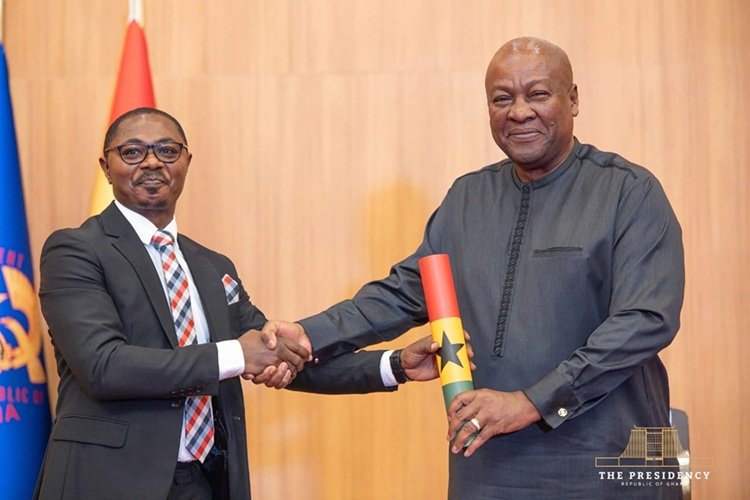
The appointment of Affi Agbenyo as Deputy Chairperson of the Electoral Commission has ignited fresh controversy over political impartiality at Ghana's electoral body, with critics arguing the NDC government is contradicting its own standards.
Akosua Manu, a Special Adviser on Gender and Social Protection during the previous NPP administration, raised the concerns during a panel discussion on Saturday, October 17. She contended that the NDC, now in power, has abandoned the principled stance it took whilst in opposition regarding the mixing of party politics and electoral management.
The inconsistency argument
Manu's central claim hinges on the NDC's vehement criticism of similar appointments made under the NPP government. When former Electoral Commission Chairperson Jean Mensa was appointed, the NDC condemned the decision as "indecent" and an abuse of discretionary power, citing concerns about her perceived political alignment with the governing party.
The critic also referenced statements from President John Mahama made in May 2024, when he publicly questioned appointments of individuals allegedly linked to the NPP's TESCON (Tertiary Students Confederacy Network) to the electoral body. At that time, the president appeared to set a clear standard: electoral officials should not have identifiable party loyalties that might compromise their impartiality.
Now, Manu argues, the NDC government is applying a different measurement to its own appointees. She alleges that Agbenyo has actively participated in NDC political activities, raising the same independence concerns the party previously highlighted as disqualifying under the NPP.
Why it matters for Ghana
The Electoral Commission sits at the heart of Ghana's democratic system. Its credibility—and the public perception of its impartiality—directly affects whether election results are accepted by all parties and citizens. Ghana's reputation as a relatively stable democracy in West Africa has partly rested on the legitimacy of its electoral processes.
When a ruling government is seen to apply different standards to its own appointees than it demanded of the previous administration, it erodes public confidence. It also sets a troubling precedent: if political affiliation becomes an acceptable criterion based on which party benefits, the institutional independence of the EC becomes weakened over time, regardless of who holds power.
Additionally, the controversy reflects a broader tension in Ghanaian politics between executive discretion in appointments and the need for independent institutions. The Council of State, which traditionally advises on such matters, has been notably quiet on its position—a silence that has itself become the subject of scrutiny.
Questions over consultation and accountability
Manu pressed the government to clarify what principle has changed since its earlier criticism of similar appointments. She also challenged the transparency of the consultation process, specifically questioning what the Council of State actually advised on the appointment and why its position remains unclear to the public.
These questions strike at a recurring frustration in Ghana: the lack of clarity around how high-level appointments are made and justified. Without clear explanations, both the government and the institution gain little credibility.
For Ghanaians already concerned about electoral integrity ahead of future elections, the controversy underscores the need for stronger institutional protections and clearer standards—applied consistently—regardless of which party holds power.
Source: The Ghana Report



Comments (0)
Be the first to comment.