EC's New Deputy Chair Tackles Crisis: Trust in Electoral Commission Hits 20-Year Low at 33%
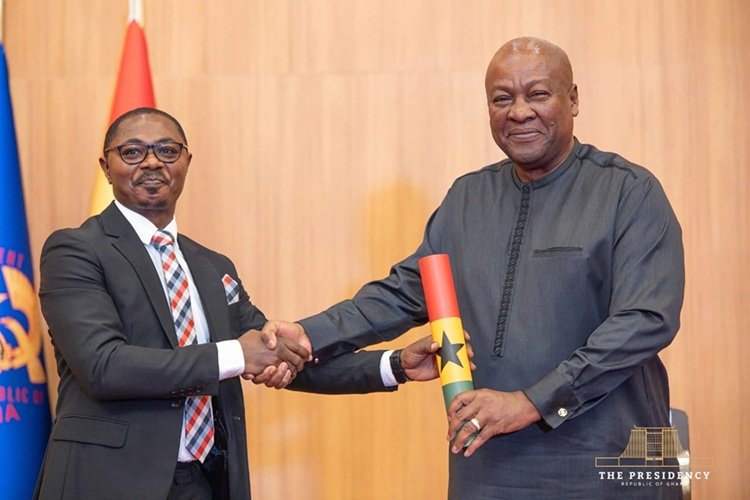
Ghana's Electoral Commission faces a critical credibility crisis, with public trust in the institution collapsing to its lowest level in more than two decades. Newly appointed Deputy Chairperson Joseph Kwaku Asamoah has acknowledged the severity of the challenge, pledging decisive action to restore confidence in the body responsible for managing the nation's elections.
According to Afrobarometer data cited by Mr Asamoah, only 33 per cent of Ghanaians now express some or significant trust in the Electoral Commission. This represents a dramatic decline from 75 per cent in 2005 and 63 per cent in 1999—a troubling trajectory that underscores deepening public scepticism about the institution's independence and credibility.
The Scale of the Trust Deficit
The erosion of public confidence in Ghana's Electoral Commission carries serious implications for the country's democratic health. When citizens lose faith in the body tasked with conducting free and fair elections, the legitimacy of electoral outcomes themselves comes into question. Mr Asamoah has framed this not as a management problem but as a national emergency requiring urgent, coordinated action.
Speaking following his appointment by President John Dramani Mahama, the Deputy Chair emphasised that restoring public trust is not optional for the Commission but a binding obligation. He committed the Electoral Commission to working closely with its staff to conduct a comprehensive review of electoral processes and implement continuous improvements aimed at addressing public concerns.
A core part of this agenda involves tackling the spread of misinformation, disinformation and fake news, which Mr Asamoah identified as major contemporary threats to electoral integrity. He warned that false information circulating through social media and other channels can undermine political confidence, deepen social divisions, and erode the democratic consensus necessary for peaceful, accepted elections.
Why This Matters for Ghana
The decline in Electoral Commission trust occurs against a backdrop of heightened political tension and increased scrutiny of Ghana's electoral systems. Previous elections have been marked by disputed results, legal challenges, and allegations of irregularities—all of which have contributed to public scepticism about the Commission's neutrality and competence.
Rebuilding this trust is not merely an institutional concern; it directly affects Ghana's democratic stability and regional standing. As a country that has positioned itself as a beacon of democratic governance in West Africa, persistent questions about electoral credibility could undermine Ghana's influence and soft power in the region. International observers and foreign governments increasingly factor electoral integrity into their assessments of Ghana's democratic health.
Mr Asamoah's emphasis on collective responsibility is also significant. He has called on political parties, Parliament, the security services, the judiciary, civil society organisations, the media, and ordinary citizens to work in partnership with the Electoral Commission to strengthen processes and restore public confidence. This multi-stakeholder approach reflects recognition that electoral credibility cannot be achieved by the Commission alone; it requires institutional checks, transparency, and genuine commitment from all democratic actors.
The Road Ahead
The new Deputy Chair has committed the Commission to delivering its mandate without fear or favour, stressing that every Ghanaian's vote matters and deserves protection. He has particularly highlighted the need to engage young people through responsible use of social media and digital platforms for civic education, recognising that future electoral legitimacy depends on building confidence among younger voters who may be especially sceptical of institutions.
Whether Mr Asamoah and his colleagues can reverse the trust deficit will be tested through concrete actions: transparent processes, swift resolution of disputes, visible independence from political pressure, and demonstrable improvements in election management. The 33 per cent trust figure serves as both a baseline and a challenge—evidence that Ghana's Electoral Commission has substantial work to do to restore the confidence it once enjoyed.
Source: The Ghanaian Times


Comments (0)
Be the first to comment.