Bank of Ghana Vows to Rebuild Public Trust Amid Financial Sector Challenges

The Bank of Ghana has moved to reassure stakeholders and the public that it remains committed to stabilising the nation's financial sector and rebuilding trust in the banking system following a period of economic strain and regulatory difficulties.
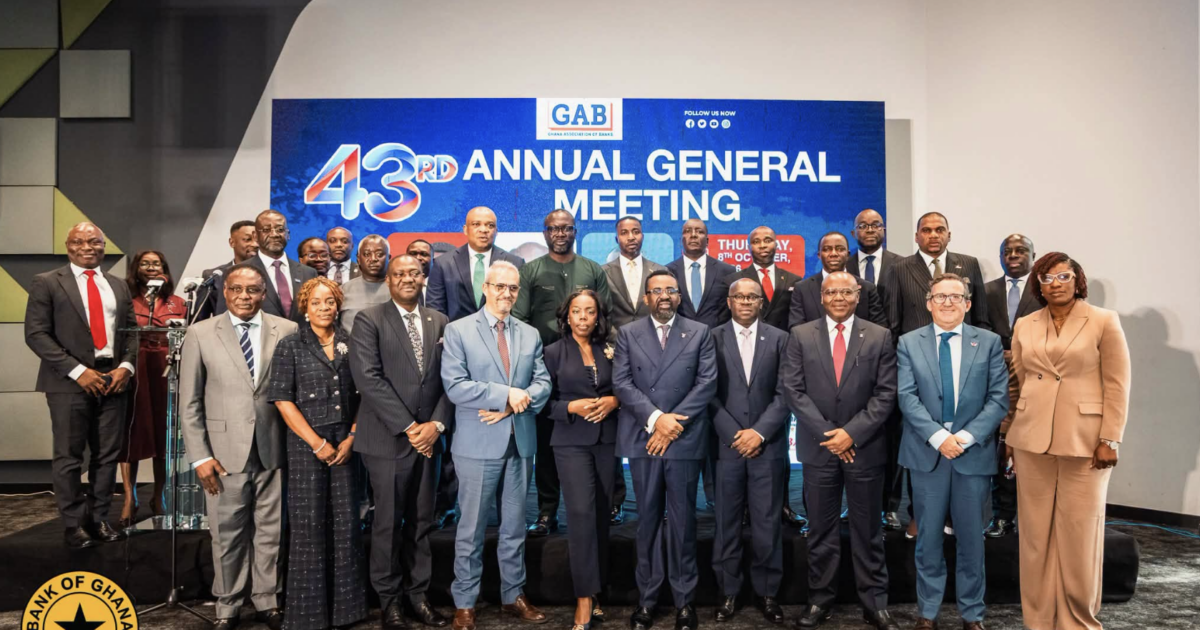
In a significant stakeholder engagement, the central bank emphasised its role as guardian of the country's monetary stability and outlined measures intended to strengthen resilience across the financial landscape. This comes at a time when Ghanaians have faced considerable challenges with banking sector stability and currency pressures that have impacted household savings and business confidence.
Rebuilding Public Confidence
The pledges from the Bank of Ghana signal recognition that public trust in financial institutions has been tested in recent years. Bank failures, currency depreciation, and tightening credit conditions have left many Ghanaians wary of the banking system. The central bank's engagement with stakeholders—including commercial banks, financial institutions, regulators, and industry players—is intended to demonstrate transparency and commitment to oversight that protects depositors and the broader economy.
The resilience framework likely encompasses several key areas: strengthening capital adequacy requirements for commercial banks, enhancing supervision and monitoring of financial institutions, and ensuring that banks maintain sufficient liquidity to weather economic shocks. These measures are critical given Ghana's exposure to global economic volatility and domestic inflation pressures.
Why This Matters for Ghana
A stable and trustworthy financial sector is fundamental to Ghana's economic recovery and growth. When public confidence erodes, citizens hoard cash, reduce bank deposits, and become reluctant to access credit—dynamics that have played out across West Africa during periods of banking stress. This constrains investment, entrepreneurship, and government revenue collection.
For ordinary Ghanaians, the Bank of Ghana's efforts directly affect their ability to save safely, access loans for homes or business expansion, and plan for the future. Businesses depend on reliable banking services for trade financing and cash management. Without confidence in the system, the entire economy suffers.
The central bank's stakeholder engagement is also important for maintaining Ghana's standing with international financial institutions and rating agencies. Countries with weak financial oversight face higher borrowing costs and reduced investment inflows. By demonstrating commitment to best practices and resilience, Ghana can help stabilise its macroeconomic outlook.
Next Steps and Expectations
Concrete follow-up actions will be critical. Stakeholders will be watching for specific regulatory announcements, enforcement actions against non-compliant institutions, and evidence that the central bank's oversight is actually preventing future crises. The Bank of Ghana will need to balance strict supervision with maintaining a competitive banking sector that can lend to the real economy.
Public communication will also be essential. Many Ghanaians have limited awareness of deposit insurance schemes and protections available to them. Educational campaigns explaining how the central bank protects deposits could help restore confidence more rapidly.
Source: 3News



Comments (0)
Be the first to comment.