Vote-buying plague undermines Volta's development, says Ho-Dome Queen Mother
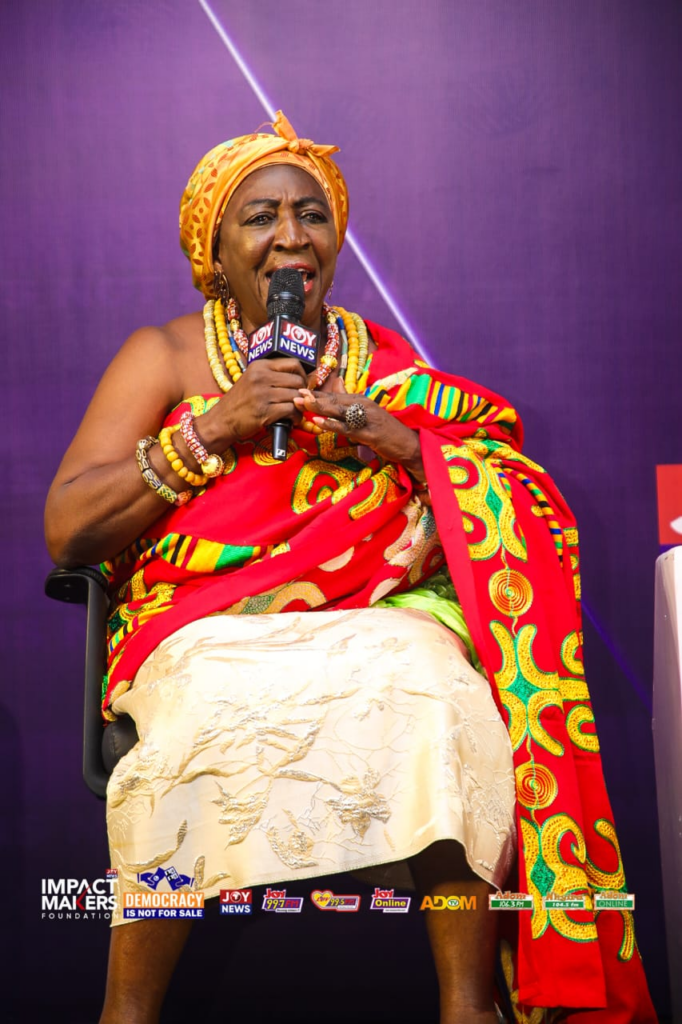
The Queen Mother of Ho-Dome, Mama Atrato II, has raised alarming concerns about the extent of vote-buying in Ghana's electoral systems, citing her recent experience as a Council of State aspirant in the Volta Region. Speaking at a JoyNews democracy forum in Ho, she alleged that delegates were systematically paid GH¢5,000 each to cast their votes for specific candidates, whilst she could only afford GH¢200 per delegate for transport and refreshment.
According to Mama Atrato II, the scale of the alleged corruption was staggering. Approximately 40 delegates reportedly received the substantial payments, and were transported to and accommodated at a hotel in Sogakope over a weekend before the election, with all meals provided. This coordinated approach to vote procurement, she argued, created an insurmountable disadvantage for candidates without equivalent financial resources.
The broader implications for regional development
Mama Atrato II's core concern extends beyond individual electoral outcomes. She contends that when Council of State representatives are elected through financial inducement rather than merit or vision, the Volta Region's development suffers directly. Council of State members are mandated to advocate for their regions, lobby for development projects, and influence national policy in their people's interests. When elected through vote-buying, she questioned whether these representatives could genuinely understand or champion their region's needs.
The Ho-Dome Queen Mother's decision to contest the election came after residents encouraged her to run, citing her track record in supporting regional development. She highlighted her role in facilitating dialysis services and contributing to educational initiatives as evidence of her commitment. Yet, she found herself unable to compete in an environment where financial transactions appeared to determine outcomes rather than demonstrated competence or dedication to public service.
Why it matters for Ghana
Mama Atrato II's allegations touch on a systemic problem that extends far beyond the Council of State election. She contends that vote-buying has permeated multiple sectors of Ghanaian society, including elections within Christian denominations and traditional institutions, including contests for House of Chiefs leadership positions. She specifically raised questions about the circumstances surrounding previous presidential elections in the National House of Chiefs, and notably questioned why prominent businessman Togbe Afede XIV did not seek re-election as President of the National House of Chiefs, suggesting vote-buying may have discouraged his continuation.
The traditional leader welcomed the Supreme Court's abolition of the delegate system in internal party elections, viewing this reform as a potential step towards reducing money's influence in political processes. However, she noted that corruption often begins before the voting stage itself, with individuals required to pay fees simply to become eligible delegates.
For the Volta Region specifically, the implications are concrete and concerning. Despite having representation at the national level through various institutions, the region continues to experience slower development compared to other areas of Ghana. If regional representatives are selected based on financial capacity rather than vision and capability, this pattern may persist.
Mama Atrato II expressed cautious optimism that electoral reforms could eventually produce leaders genuinely committed to advancing their regions' interests. However, her testimony underscores that structural changes to electoral systems alone may be insufficient without broader cultural and institutional shifts that prioritise merit, competence and public service commitment over financial resources.
Source: MyJoyOnline


Comments (0)
Be the first to comment.