
CDD-Ghana pushes NDC to enforce strict rules against vote-buying in party elections


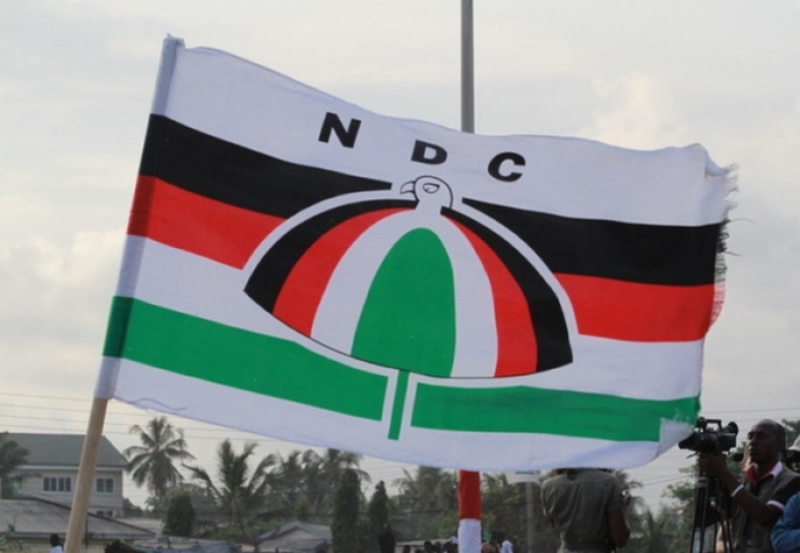
The Centre for Democratic Development Ghana (CDD-Ghana) has raised alarm over vote-buying practices within the National Democratic Congress (NDC) internal electoral process, calling on the party to stop delaying and implement enforceable regulations immediately rather than continuing to draft guidelines.
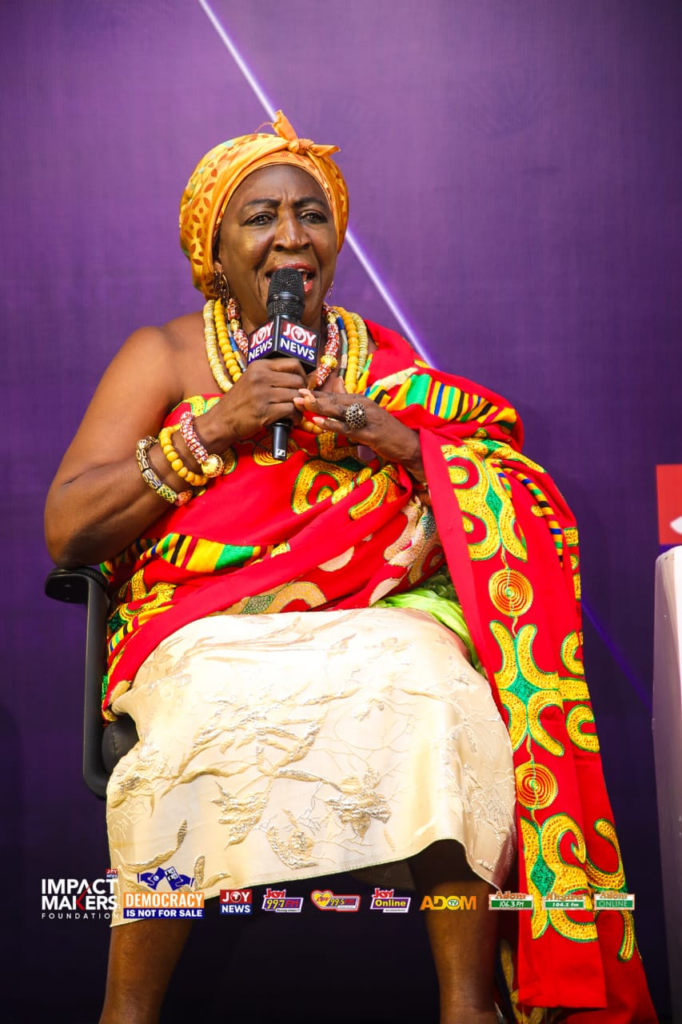
Speaking on Joy News' PM Express, CDD-Ghana Programme Officer Vera Abena Addo stressed that the NDC must establish clear rules and robust monitoring systems before its regional and national executive elections proceed. She warned that without swift action, the party risks normalising a culture of financial inducements that could escalate through each stage of the internal election cycle.
The escalation risk: From constituency to national level
Ms Addo expressed particular concern about what she termed a cascading problem. If vote-buying occurs unchecked at constituency level—where it has already been documented—delegates may come to expect similar inducements at regional and subsequently national contests. This creates a troubling precedent that pressurises future candidates to offer money or gifts to secure support, essentially embedding the practice deeper into party culture.
"If at a constituency level we see this kind of activity happening, then how much more at the regional level?" she asked, highlighting the logical progression of the issue if left unaddressed. The worry is not merely about isolated incidents but about establishing expectations that spread throughout the party's electoral machinery.
CDD-Ghana's assessment suggests the problem is already visible. Previous incidents, including concerns raised about the Ayawaso constituency elections, have put the NDC on notice. Yet Ms Addo expressed frustration that years later, the party still appears to be in a guideline-drafting phase rather than enforcement phase—suggesting a lack of genuine commitment to solving the problem.
Why it matters for Ghana
This issue extends beyond internal party mechanics. Ghana's democratic credibility depends partly on how political parties conduct their own affairs, and the NDC, as a major opposition party with genuine prospects of returning to government, sets an example for electoral integrity. When established parties tolerate or inadequately police vote-buying within their own ranks, it sends a signal about standards.
Moreover, practices normalised during internal elections can influence how candidates approach general elections. Party officials who learn that money-for-votes works internally may be tempted to employ similar tactics in public contests, potentially undermining the integrity of general elections that determine Ghana's national leadership.
CDD-Ghana's intervention also reflects broader civil society concern. As an independent democracy watchdog, the organisation's public critique—rather than private dialogue alone—suggests frustration with the pace and seriousness of the NDC's response. This reflects a pattern where watchdog groups must continually push political actors on accountability issues.
What needs to happen: Monitoring and enforcement
Ms Addo called for structural improvements beyond rulebooks. The NDC should establish clear protocols for field officers and monitoring committees, with defined responsibilities and formal systems for documenting and reporting suspected breaches. Currently, CDD-Ghana's own assessments rely partly on media reports from areas its officers cannot personally observe—a gap that suggests the party's internal monitoring is insufficient.
The party's National Deputy General Secretary Rashid Tanko mentioned officers deployed to monitor elections, but CDD-Ghana's concern is whether these arrangements are rigorous enough to establish what actually occurred during polls and whether violations are formally investigated.
With the regional and national executive elections approaching, time is limited. Ms Addo's message was clear: the NDC must move from talk to action, from guidelines to enforcement, before the next electoral round begins. Failure to do so risks entrenching vote-buying as an accepted feature of NDC politics.
Source: MyJoyOnline


Comments (0)
Be the first to comment.