KNUST Law Don Dr Joseph Kwaku Asamoah Named EC Deputy Chair as Electoral Commission Reshuffles Leadership

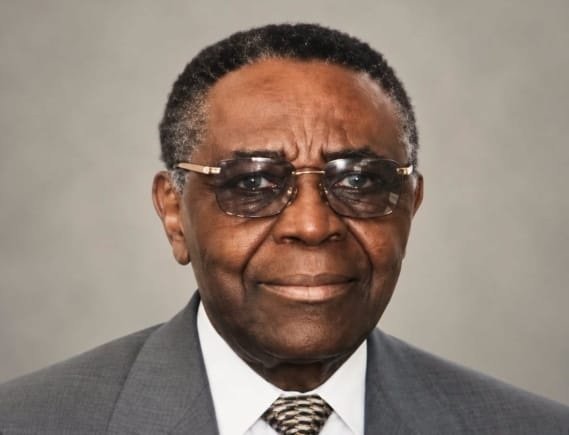
The Electoral Commission (EC) has appointed Dr Joseph Kwaku Asamoah, a law lecturer at Kwame Nkrumah University of Science and Technology (KNUST), as Deputy Chairperson. The appointment signals the Commission's effort to fill leadership vacancies created by the recent resignation and retirement of two senior officials, and represents a homecoming of sorts for the accomplished legal scholar who spent over 17 years in various senior EC roles.
Filling the Leadership Gap
Dr Asamoah's appointment follows departures that have reshaped the EC's upper echelon. Dr Bossman Asare, Deputy Chair responsible for Corporate Affairs, resigned effective 31 July 2026 to return to academia at the University of Ghana. Samuel Tettey, the Operations Deputy Chair, reached the mandatory retirement age around the same time. These simultaneous changes necessitated swift action to ensure continuity in Ghana's electoral administration during a critical period for democratic governance.
The new Deputy Chairperson brings immediate credibility to the role through his intimate knowledge of EC systems and processes. During his previous tenure, he served as Director of Finance, Director of the Training Centre and Head of Audit—positions that required deep understanding of the Commission's operations, culture and institutional challenges.
A Track Record in Electoral Crisis Management
Beyond administrative experience, Dr Asamoah's professional journey includes direct involvement in Ghana's most critical electoral moments. He participated in managing the 2012 and 2016 general elections, 2010 and 2015 district-level elections, and the 2019 referendum on regional creation. His most prominent contribution came during the 2016 presidential election, when the Electronic Results Transmission System failed at a crucial moment.
Rather than allow the breakdown to derail the process, Dr Asamoah developed an Election Results Management System that successfully facilitated the declaration of presidential results. The system earned commendation for its efficiency and transparency—qualities Ghana's voters and observers have often demanded from the EC. This practical problem-solving ability may prove valuable as the Commission navigates ongoing calls for electoral reform and technological modernisation.
Why This Matters for Ghana
Ghana's Electoral Commission operates at the heart of the nation's democratic architecture. Public confidence in electoral outcomes directly shapes political stability, social cohesion and international standing. Recent elections have seen growing scrutiny of EC processes, from ballot accounting to results verification, making leadership appointments decisions of national importance.
Dr Asamoah's appointment reflects the EC's apparent strategy of promoting from within—choosing someone who understands institutional culture, historical context and existing systems rather than importing external expertise. This continuity approach carries both strengths and risks. His institutional knowledge should enable swift engagement with complex issues, but some observers may question whether fresh external perspectives might better address long-standing criticisms of the Commission's transparency and responsiveness.
The appointment also highlights the interconnected nature of Ghana's institutional leadership. A law lecturer balancing academic responsibilities with quasi-judicial appointments exemplifies the reality that Ghana's top talent often serves across multiple sectors simultaneously. This raises questions about bandwidth and potential conflicts of interest that merit public discussion.
Credentials Beyond Electoral Work
Dr Asamoah holds impressive academic and professional qualifications: a PhD in Political Economy and Diplomacy (with research on electoral administration and conflict resolution across Africa), a Master of Laws in Commercial and Corporate Law from the United Kingdom, and a first-class Bachelor of Science in Accounting. He is a lawyer, chartered accountant and certified economist—a rare combination that equips him to engage with the EC's complex financial, legal and policy dimensions.
His teaching roles at KNUST, Wisconsin International University College and the Kofi Annan International Peacekeeping Training Centre demonstrate his commitment to capacity-building. He led development of a Master's programme in Electoral Policy and Security and facilitates ECOWAS Election Observation training. Such work suggests someone invested in raising electoral standards across Africa rather than protecting narrow institutional interests.
The appointment takes effect as Ghana prepares for electoral cycles requiring robust, credible administration. Whether Dr Asamoah's return to the EC signals genuine reform or merely reshuffling of familiar faces will likely become clear once stakeholders assess his performance on transparency, stakeholder engagement and responsiveness to electoral reform demands.
Source: MyJoyOnline



Comments (0)
Be the first to comment.