
MPs Get Extra Time to Scrutinise 2026 Mid-Year Budget as Parliament Delays Debate to Tuesday
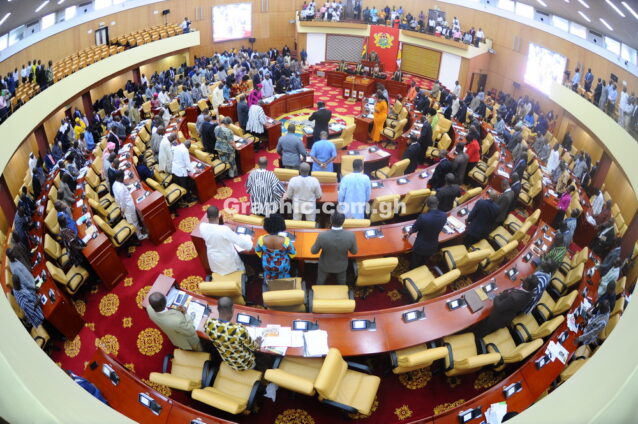

Parliament has rescheduled debate on Ghana's 2026 Mid-Year Budget Review to Tuesday, July 28, shifting the discussion from its originally planned Friday slot. The postponement gives Members of Parliament from both government and opposition benches additional time to analyse the fiscal policy document tabled by Finance Minister Dr Cassiel Ato Forson, ensuring a more thorough parliamentary scrutiny of the government's economic performance and policy direction for the remainder of the year.
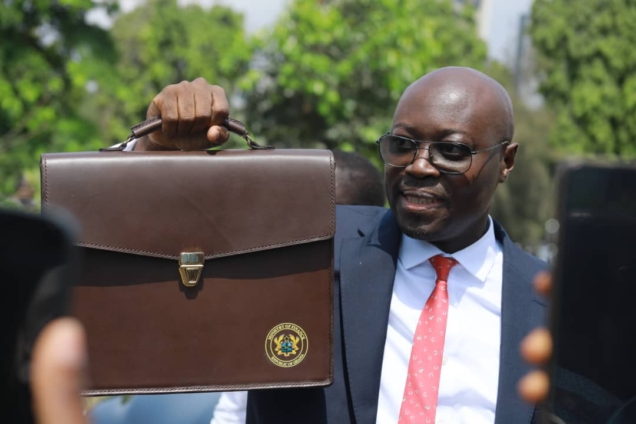
The decision reflects Parliament's commitment to allowing lawmakers adequate preparation time before engaging in what is expected to be a substantive debate on the nation's economic trajectory. Dr Forson presented the review on Thursday, highlighting what he characterised as significant improvements in Ghana's macroeconomic fundamentals, including reduced inflation rates, relative stability in the exchange rate, strengthened international reserves and progress on fiscal consolidation efforts.
What the Budget Review Proposes
Beyond the macroeconomic narrative, the mid-year review outlines several policy initiatives aimed at sustaining economic recovery and improving public welfare. The government plans to accelerate infrastructure development through its "Big Push" programme, expand agricultural and educational investments, and strengthen social protection mechanisms targeting vulnerable populations.
A notable proposal centres on education infrastructure, with the finance ministry announcing additional support designed to eventually phase out the controversial double-track system currently operating under the Free Senior High School policy. This represents a direct government response to ongoing public concerns about the sustainability and effectiveness of the dual-track approach in managing secondary school enrolment.
Mixed Reactions and Parliamentary Concerns
The budget review has generated varied responses from economic stakeholders and political actors. Whilst some economists have acknowledged the improvements in macroeconomic indicators, commentators have urged the government to prioritise employment creation, enhance revenue mobilisation efforts and increase targeted support for productive economic sectors such as agriculture, manufacturing and services.
The Minority caucus has signalled a hardline stance ahead of the debate, indicating its intention to closely examine the budget statement and oppose any government requests for additional spending approvals. Opposition lawmakers argue that Parliament has already authorised substantial borrowing to support government programmes, raising questions about fiscal sustainability and the necessity of further budgetary commitments.
Why It Matters for Ghana
The Mid-Year Budget Review debate carries significant implications for Ghana's economic direction and public policy priorities. Parliament's oversight function is crucial in ensuring government accountability and determining whether fiscal measures adequately address citizen concerns about cost of living, unemployment and service delivery.
The delay provides crucial opportunity for rigorous scrutiny of whether proposed interventions—particularly those in education, agriculture and infrastructure—are sufficiently resourced and strategically aligned with Ghana's development needs. Parliamentary debate on macroeconomic performance and policy choices directly influences public confidence in government economic management, particularly given Ghana's recent experience with International Monetary Fund support and ongoing concerns about debt sustainability.
The outcome of Tuesday's debate could shape government spending decisions for the second half of 2026 and signal Parliament's appetite for additional borrowing or expenditure beyond already approved budgets. For ordinary Ghanaians, the debate's conclusions will influence whether promised improvements in inflation and exchange rate stability translate into meaningful improvements in household purchasing power and access to quality education and healthcare services.
Source: Today GH

Comments (0)
Be the first to comment.