MP Oppong Nkrumah demands parliamentary briefing on Ghana's IMF Policy Coordination Instrument deal

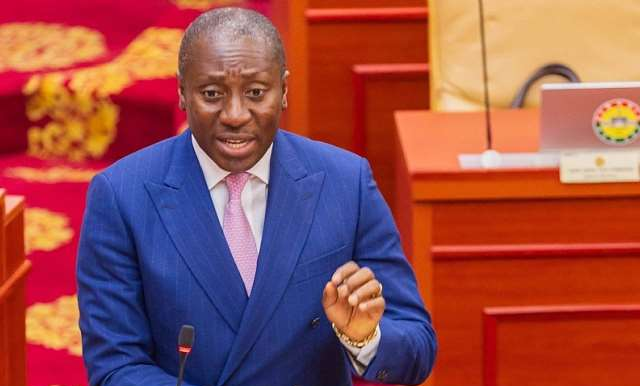
Kojo Oppong Nkrumah, Member of Parliament for Ofoase Ayirebi, has intensified calls for the government to provide Parliament with a comprehensive briefing on Ghana's proposed International Monetary Fund (IMF) Policy Coordination Instrument (PCI), signalling growing parliamentary scrutiny of the nation's engagement with the global financial body.
The demand underscores ongoing tensions between Parliament and the Executive over fiscal transparency and the disclosure of major economic agreements that could shape Ghana's financial trajectory over the coming months.
What is the Policy Coordination Instrument?
The IMF's Policy Coordination Instrument represents a non-financial assistance framework designed to help countries strengthen their macroeconomic policies and institutional capacity. Unlike traditional IMF bailout programmes, the PCI does not involve direct financial disbursement but rather provides technical advice and policy endorsement from the Fund. For Ghana, such an arrangement could signal to international investors and creditors that the government's economic policies have been vetted and approved by the IMF, potentially improving investor confidence and borrowing conditions.
Ghana has a long history of IMF engagement, having entered successive programmes to address fiscal and balance-of-payments challenges. The proposed PCI would represent a shift toward a lighter-touch arrangement, though it still requires adherence to IMF-recommended policy frameworks.
Parliamentary oversight and transparency concerns
Oppong Nkrumah's call reflects broader concerns within Parliament about the pace and transparency of government decision-making on major economic matters. MPs across the political spectrum have increasingly demanded that major international financial agreements be debated and scrutinised before implementation, rather than being announced as fait accompli.
The demand for parliamentary briefing is procedurally significant; it signals that legislators want a seat at the table when major economic direction is being set. This is particularly important given Parliament's constitutional role in approving budget allocations and monitoring government fiscal policy.
Why it matters for Ghana
Ghana's relationship with the IMF carries substantial implications for ordinary Ghanaians. IMF-backed programmes typically come with conditions that affect government spending, taxation, and public sector employment. Policy coordination instruments, whilst lighter than full programmes, still influence government economic decisions and can impact inflation, exchange rates, and the cost of living.
Additionally, securing IMF endorsement of Ghana's policies can improve access to international credit markets and reduce borrowing costs—ultimately affecting how much Ghana spends on debt servicing versus social programmes like healthcare and education.
The parliamentary push for transparency also reflects lessons from Ghana's previous IMF engagements, where critics argue that insufficient public debate led to policies that disproportionately affected vulnerable populations. By demanding briefings before implementation, MPs are attempting to ensure that economic policy decisions are made with fuller parliamentary and, by extension, public awareness.
As Ghana navigates post-COVID-19 economic recovery and faces global inflation pressures, the terms on which it engages with international financial institutions remain crucial to the nation's development prospects and citizens' economic wellbeing.
Source: 3News


Comments (0)
Be the first to comment.