IMF Report Exposes $1.7bn Losses in Ghana's GoldBod Programme, Afenyo-Markin Says
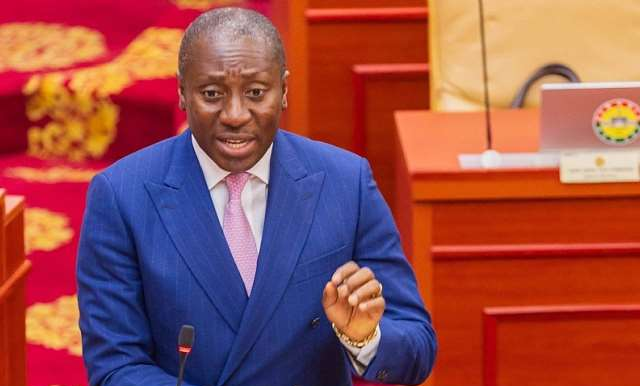
Ghana's Domestic Gold Purchase Programme, implemented through state entity GoldBod, has racked up losses exceeding US$1.7 billion according to an International Monetary Fund report, Minority Leader Alexander Afenyo-Markin has revealed. The figure represents approximately 1.5% of Ghana's gross domestic product and signals serious concerns about the financial viability of the initiative.
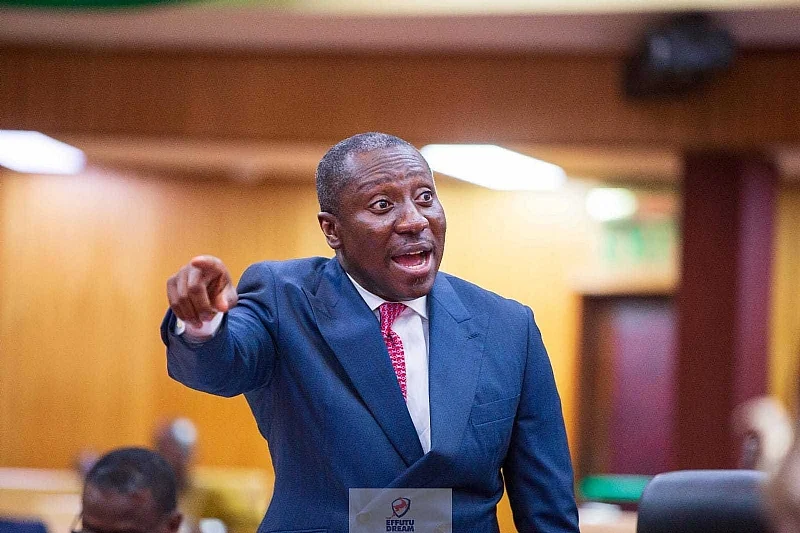
Speaking on Peace FM, the Member of Parliament for Effutu highlighted that the staggering losses were not his own assessment but were documented in the IMF's formal Country Report on Ghana. "GoldBod is failing. The IMF is saying. I am not the one saying. It is the IMF saying it has incurred over GH¢1.7 billion," Afenyo-Markin stated, emphasising that the criticism comes from an independent international institution rather than political opposition.
Scale of Losses Raises Accountability Questions
The scale of the financial losses disclosed by the IMF raises fundamental questions about the programme's management, oversight and the decisions that led to such massive accumulation of debt. The Domestic Gold Purchase Programme was designed to boost domestic gold production and strengthen Ghana's foreign exchange reserves by purchasing gold directly from artisanal and small-scale miners. However, the IMF's assessment suggests the initiative has become a significant drain on public resources.
Afenyo-Markin also drew attention to what he characterised as an intimidation campaign against those who dare to question the programme's performance. He criticised the personal attacks and online harassment directed at critics, describing it as an attempt to silence legitimate concerns about fiscal responsibility. The Minority Leader's comments underline a broader debate within Ghana's political and economic circles about transparency and accountability in government spending.
Why It Matters for Ghana
The IMF's findings carry considerable weight in Ghana's economic governance framework, particularly given the country's ongoing relationship with the international body. The Fund's assessments directly influence investor confidence, sovereign credit ratings and Ghana's access to international financing. A loss of this magnitude in a state-managed programme raises critical questions about fiscal discipline and resource allocation at a time when Ghana faces significant fiscal pressures.
The 2025 scaling up of the programme—which according to the IMF report led to the ballooning losses—suggests decision-makers approved expansion without adequate safeguards or realistic projections about financial sustainability. For ordinary Ghanaians, this translates to public resources that could have been directed toward healthcare, education or infrastructure being redirected to cover programme losses.
Furthermore, the programme's financial underperformance may complicate Ghana's broader economic recovery efforts and negotiations with international creditors. The IMF's documentation of these losses also highlights the importance of independent scrutiny of government initiatives, regardless of political pressure or public relations efforts to defend troubled programmes.
The government's response to these allegations and the steps it intends to take to address the losses will be crucial in determining whether confidence in Ghana's fiscal management can be restored.
Source: MyJoyOnline


Comments (0)
Be the first to comment.