GoldBod could become 'very big scandal' – Afenyo-Markin warns as IMF reveals $1.7bn losses
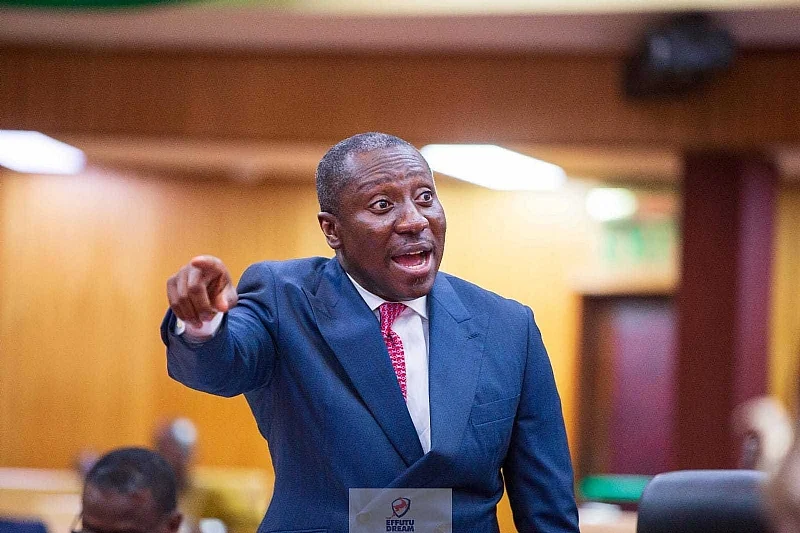
Ghana's Minority Leader Alexander Afenyo-Markin has sounded the alarm over the Ghana Gold Board (GoldBod), cautioning that the institution's operations could explode into a significant scandal that threatens the nation's finances and credibility.
The Effutu Member of Parliament made the stark warning whilst highlighting concerns that critical information about GoldBod's activities remains hidden from public view. "GoldBod is a very big scandal awaiting us. There are things we know that there are things that they don't know. They should be careful," Afenyo-Markin stated, implying that parliamentary scrutiny has uncovered troubling details not yet disclosed to the broader public.
His intervention gains weight following a damning International Monetary Fund (IMF) report that has exposed the true scale of losses from the Bank of Ghana's Domestic Gold Purchase Programme, which operates through GoldBod. The revelation represents a dramatic revision upward of financial losses previously communicated to Ghanaians.
The scale of losses revealed
According to the IMF Country Report No. 26/213, the losses from the gold purchase programme in 2025 reached an eye-watering US$1.7 billion – more than eight times the US$214 million figure that had been publicly reported. This staggering sum represents approximately 1.5% of Ghana's entire Gross Domestic Product, placing the losses among the most significant financial drains on the national economy in recent times.
The IMF attributed the explosion in losses to a substantial expansion of the programme during 2025, suggesting that aggressive acquisition of gold came with correspondingly heavy financial costs. The disparity between the initially reported figure and the actual losses raises urgent questions about transparency, oversight and whether adequate controls exist within GoldBod's operations.
The Minority caucus has intensified scrutiny of GoldBod's activities in recent months, with Afenyo-Markin's warning indicating that parliamentary oversight mechanisms have identified concerning patterns or practices that warrant investigation. His cryptic reference to information held by lawmakers but unknown to the Board's management suggests potential governance failures or undisclosed operational decisions.
Why it matters for Ghana
The GoldBod scandal carries profound implications for Ghana's economic stability and international credibility. Ghana's gold sector remains vital to foreign exchange earnings and debt servicing, and losses of this magnitude directly impact the government's ability to fund essential services like healthcare and education.
Beyond immediate fiscal consequences, the revelations damage confidence in Ghana's financial institutions and regulatory frameworks. International investors and rating agencies pay close attention to how nations manage critical economic assets and the transparency with which officials disclose financial performance. A loss of US$1.7 billion that was substantially concealed from public knowledge raises questions about institutional integrity and the reliability of financial reporting from Ghana's monetary authorities.
The scandal also feeds into broader concerns about value-for-money in government operations and accountability. Citizens expect transparent accounting for public resources, particularly when losses of this scale accumulate. The gap between reported and actual losses suggests that communication between the Bank of Ghana, GoldBod and political oversight has failed significantly.
For Ghana's international standing, particularly within the IMF programme framework where such discrepancies are exposed through formal audits, this incident undermines efforts to demonstrate financial discipline and good governance.
Next steps and broader implications
Afenyo-Markin's warning suggests that further revelations may emerge as parliamentary inquiry continues. The Minority's apparent possession of additional concerning information could form the basis for formal investigations, parliamentary inquiries or calls for management changes at GoldBod and potentially the central bank.
The public will likely demand clarity on how such massive losses accumulated, whether management decisions contributed to poor programme performance, and what safeguards exist to prevent similar financial deterioration in future. Reassurances from GoldBod's leadership that operations are sound will ring hollow until these fundamental questions are answered with full transparency.
Source: MyJoyOnline

Comments (0)
Be the first to comment.