Afenyo Markin tells GoldBod boss to accept criticism, stop attacking questioners
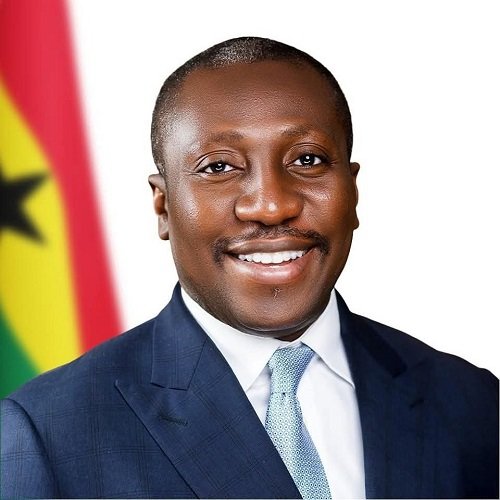
The Minority Leader in Parliament, Alexander Afenyo Markin, has called on Ghana Gold Board Chief Executive Officer Sammy Gyamfi to distinguish between personal attacks and legitimate institutional scrutiny, urging him to respond to concerns with facts rather than character assassination.
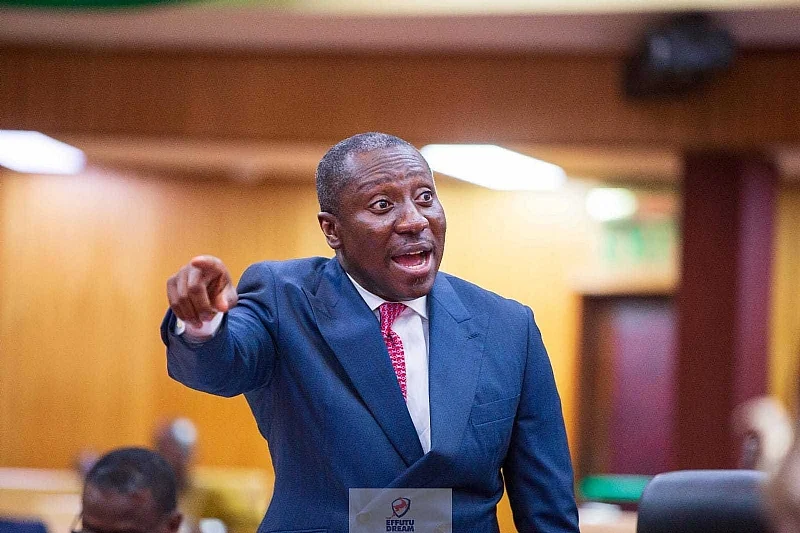
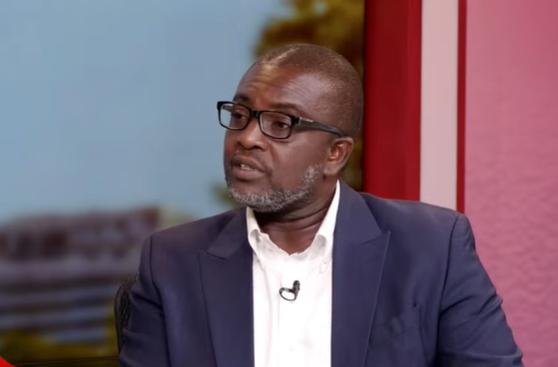
Speaking on Metro TV on 10 August 2026, Afenyo Markin cautioned Gyamfi against taking criticism of GoldBod personally and warned against allegedly mobilising supporters and media figures to target those who question the board's operations. He emphasised that the concerns being raised are directed at institutional practices, not the individual leading the organisation.
A caution on loyalty and fairness
The Minority Leader reminded Gyamfi that today's allies may not remain steadfast when circumstances shift, advising restraint in relying on current supporters for defence against criticism. Afenyo Markin pointed out that Gyamfi himself was a vocal critic of the previous government when in opposition, raising numerous concerns about policies and actions without hesitation.
"Some of the people you think are your friends today may not be there for you tomorrow," Afenyo Markin cautioned, suggesting that the GoldBod CEO should adopt a similar tolerance for dissent now that he occupies a position within government.
The Minority Leader also highlighted that several credible international institutions, including the International Monetary Fund, have raised similar concerns about GoldBod's activities. This, he argued, underscores that the criticism is not politically motivated but rooted in genuine institutional issues.
Why it matters for Ghana
Ghana's mining sector and gold trade represent critical revenue streams for the national economy. The Ghana Gold Board, as the statutory institution responsible for managing the country's gold trade, must operate with transparency and accountability to ensure these resources benefit the nation effectively. When concerns about institutional practices emerge—particularly from international bodies like the IMF—they warrant serious attention rather than defensive posturing.
The broader lesson Afenyo Markin is articulating touches on governance standards in Ghana. Public officials, regardless of their political affiliation, must distinguish between legitimate oversight and personal vendetta. Creating an environment where critics can be attacked for raising concerns chills public discourse and undermines the accountability mechanisms essential to good governance. The fact that former Finance Minister Mohammed Amin Adam and broadcaster Kojo Oppong Nkrumah have reportedly faced attacks for questioning GoldBod suggests a pattern that could discourage future scrutiny.
For ordinary Ghanaians, this matters because transparency in how national assets are managed directly affects whether those resources translate into tangible national development. When institutional leaders respond to criticism by attacking critics rather than addressing the substantive issues, it signals that accountability may not be taken seriously.
The broader governance challenge
Afenyo Markin's appeal reflects a wider tension in Ghana's political culture: the difficulty officials often face in accepting criticism without personalising it. He urged the government and its supporters to accept feedback, listen to concerns, and make necessary adjustments—framing this not as capitulation but as prudent leadership that prevents current issues from becoming future liabilities for those responsible.
The Minority Leader's intervention is notable because it comes from the opposition, yet its focus is less on partisan point-scoring and more on establishing institutional norms around how public criticism should be handled. Whether Gyamfi and GoldBod heed this counsel will test whether Ghana's political leadership can separate institutional improvement from ego.
Source: The Ghanaian Times


Comments (0)
Be the first to comment.