
Afenyo-Markin Urges Mahama to Free Jailed TikToker Camilla Alhassan With Presidential Pardon
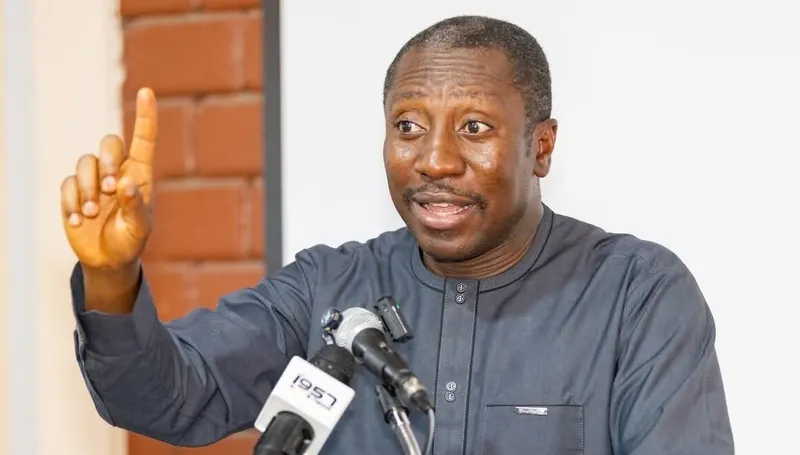

Minority Leader and Member of Parliament for Effutu, Alexander Afenyo-Markin, has made a public appeal to President John Dramani Mahama to exercise his constitutional powers and grant a presidential pardon to Camilla Alhassan, the Ghanaian TikToker who was recently convicted and sentenced to one year in prison following comments she made on social media. The appeal has reignited a fierce national debate about the limits of free expression in Ghana's digital age.
What Happened to Camilla Alhassan?
Camilla Alhassan, a popular content creator on the short-video platform TikTok, was prosecuted and found guilty in connection with remarks she made online. The nature of the comments attracted legal scrutiny, ultimately resulting in a court handing down a custodial sentence of one year. Her case drew significant public attention across Ghana, with many citizens, civil society organisations, and commentators weighing in on whether the punishment was proportionate to the offence, and whether criminal imprisonment is the right tool for policing speech made on social media platforms.
Afenyo-Markin, who leads the opposition New Patriotic Party's caucus in Parliament, stepped into the debate by calling directly on the President to intervene. He argued that a presidential pardon would be an appropriate and humane course of action, signalling to Ghanaians that the country values compassion alongside the rule of law. His intervention is notable precisely because it crosses party and institutional lines — a senior opposition figure publicly urging an executive action from the sitting president.
Why It Matters for Ghana
The case of Camilla Alhassan sits at the crossroads of several issues that are deeply important to Ghanaian society right now. Freedom of expression, the regulation of social media, and the use of custodial sentences for speech-related offences are all subjects that legal experts, journalists, and human rights advocates have been grappling with across Africa and beyond.
Ghana has long prided itself on being one of West Africa's most stable democracies with a strong tradition of press freedom. However, the growing use of social media as a platform for public discourse has brought new legal grey areas. When comments made online cross into territory deemed harmful, defamatory, or inflammatory, the question of how the state should respond — and how harshly — becomes critical.
A one-year prison sentence for social media comments is likely to have a chilling effect on online expression if it is seen as a precedent. Many Ghanaians, particularly young people who are heavy users of platforms like TikTok, Facebook, and X (formerly Twitter), may become more cautious about expressing opinions publicly — even legitimate ones — for fear of criminal repercussions.
The presidential pardon mechanism exists precisely for situations where the justice system's outcome, while legally valid, may warrant a more merciful response. Under Ghana's Constitution, the President has the power to grant pardons, remissions, and respites. Afenyo-Markin's call suggests he believes this is one such moment.
Reactions and What Comes Next
The Minority Leader's intervention has been welcomed by some who feel Alhassan's sentence is excessive, while others argue that the courts must be allowed to operate without political interference. Civil liberties advocates are likely to watch President Mahama's response closely, as it could signal the administration's broader stance on digital rights and freedom of expression.
- President Mahama has not yet publicly responded to the pardon request.
- The case has prompted calls from various quarters for a broader national conversation about social media legislation in Ghana.
- Human rights organisations are expected to continue monitoring developments in the case.
As Ghana continues to navigate the complexities of governing speech in the digital era, the outcome of this appeal — and any action the President chooses to take — will carry implications well beyond one individual case. For now, all eyes are on Jubilee House.
Source: 3News

Comments (0)
Be the first to comment.