
Victor Smith Reveals Ofori-Atta Used US Embassy Protest Footage to Claim His Life Was in Danger
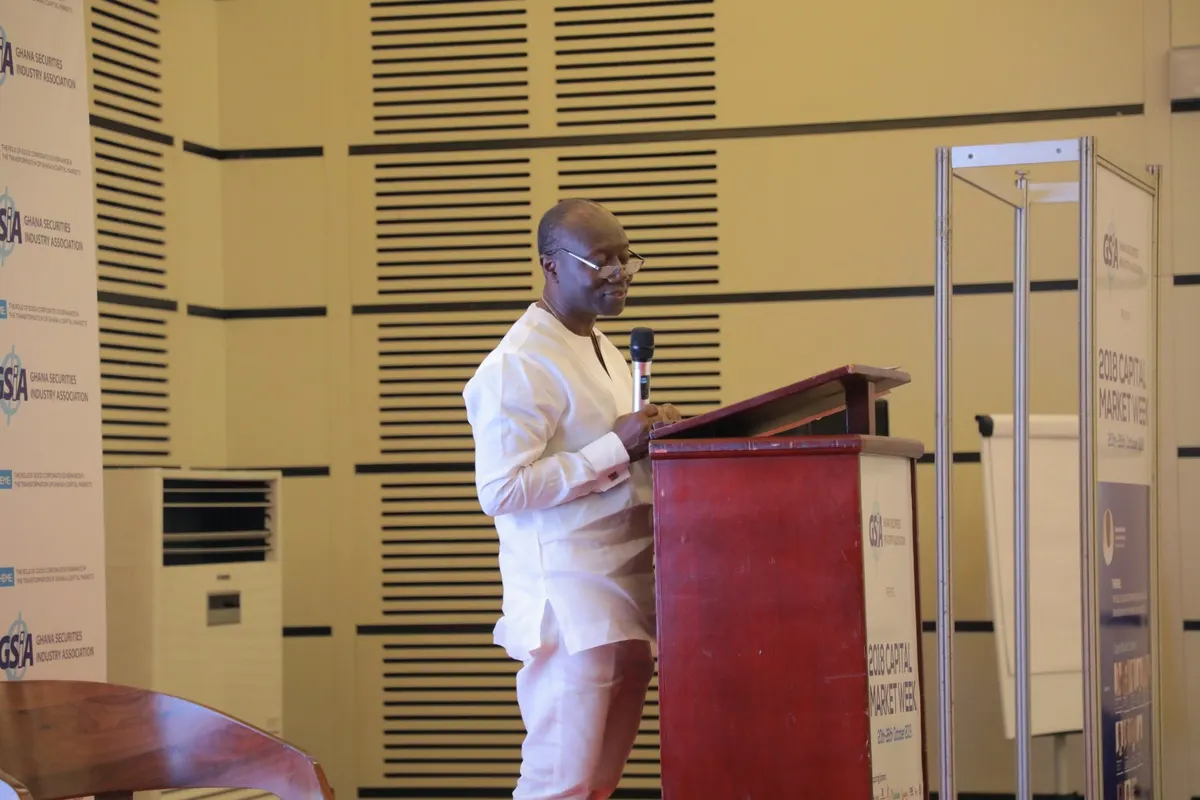

Former Ghanaian Ambassador to the United States, Victor Smith, has made a startling revelation that ex-Finance Minister Ken Ofori-Atta submitted videos of demonstrations held outside the Ghanaian Embassy in Washington DC as evidence to support claims that his life was in danger. The disclosure sheds new light on a turbulent period in Ghana's diplomatic history and raises fresh questions about how senior government officials used their positions during the tail end of the Akufo-Addo administration.
What Victor Smith Said
According to Smith, Ofori-Atta — who served as Finance Minister under former President Nana Akufo-Addo — presented footage of protesters gathered outside the embassy as part of an effort to establish that he faced a credible personal threat. Smith, who served as Ghana's Ambassador to Washington during that period, suggested that the move was an attempt to leverage diplomatic channels for personal protection, a claim that has reignited public debate about the conduct of officials during Ghana's economic crisis years.
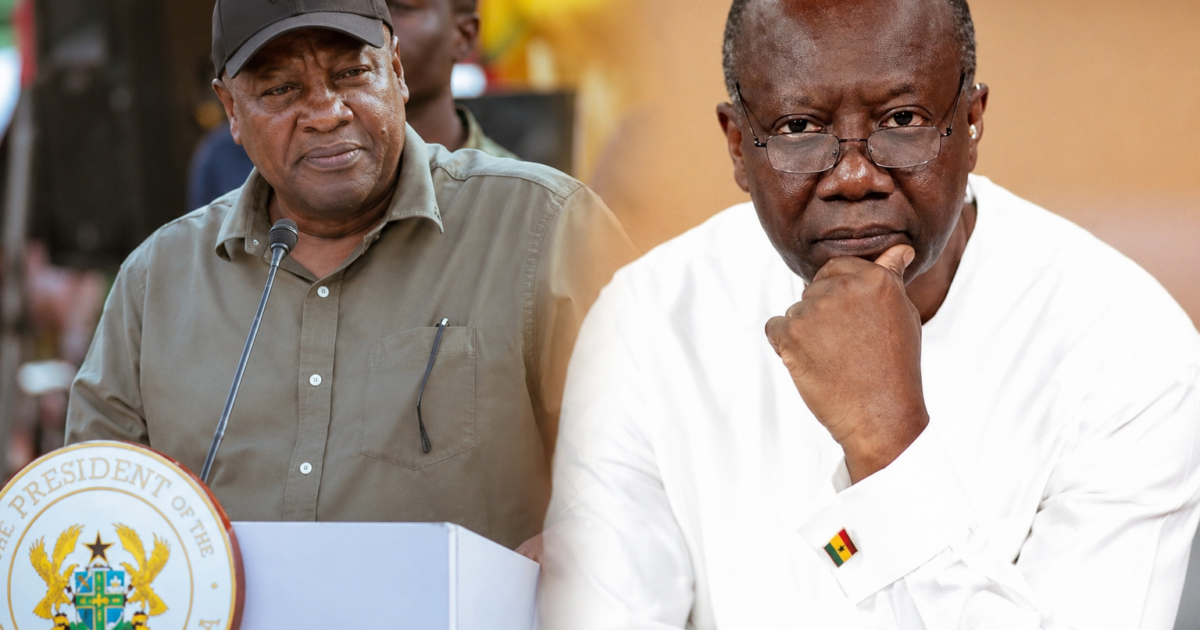
The former ambassador also revealed a separate but equally significant diplomatic incident involving President John Mahama's speech at the United Nations, in which Mahama called for reparations. Smith disclosed that officials from the US State Department summoned him and, in his account, spoke to him in a raised and aggressive manner over the contents of that address. The episode underlines the sensitivity with which Ghana's foreign policy positions — particularly on issues touching on historical injustices and reparations — are received in Washington.
Why It Matters for Ghana
These revelations are significant on multiple levels for Ghanaians. First, they offer a rare behind-the-scenes glimpse into the pressures Ghana's diplomatic representatives face when navigating relations with a powerful ally like the United States. The fact that a sitting ambassador could be summoned and reportedly berated over a presidential speech at the UN points to the delicate tightrope Ghana walks in asserting its sovereignty while maintaining strong bilateral ties with Washington.
Second, the claims about Ofori-Atta touch directly on a period of acute national suffering. Ghana was in the grip of a severe economic crisis, with the cedi losing significant value, inflation soaring, and the country eventually seeking an IMF bailout. Public anger at the time was palpable, and protests — including those reportedly filmed outside the embassy — reflected widespread frustration with the government's handling of the economy. The suggestion that such protest footage was used to claim personal endangerment is likely to provoke strong reactions from Ghanaians who remember that difficult period vividly.
Third, President Mahama's reparations speech at the UN represents a broader continental conversation about historical justice and the economic legacy of colonialism and the transatlantic slave trade. Ghana has historically positioned itself as a moral voice on such matters, and the reported US reaction suggests that advocacy on reparations — however principled — carries real diplomatic costs.
The Bigger Picture
Victor Smith's disclosures come at a time when Ghanaians are increasingly demanding accountability and transparency from their public officials, both past and present. As the Mahama administration settles into office following its decisive election victory, scrutiny of the previous government's conduct — including within Ghana's diplomatic missions abroad — is expected to intensify.
- These revelations may prompt calls for a formal review of how Ghana's embassies were managed under the previous administration.
- The incident involving the reparations speech highlights the tension between Ghana's moral foreign policy ambitions and its need to maintain smooth relations with key partners like the United States.
- Ofori-Atta has not yet responded publicly to the specific claims made by Ambassador Smith.
As more details emerge, GH Today will continue to follow this story closely. Ghanaians at home and in the diaspora — particularly those based in the United States — will be watching developments with keen interest.
Source: 3News


Comments (0)
Be the first to comment.