
Beyond the Joke: Why Ken Ofori-Atta's Return Raises Questions About Ghana's Rule of Law
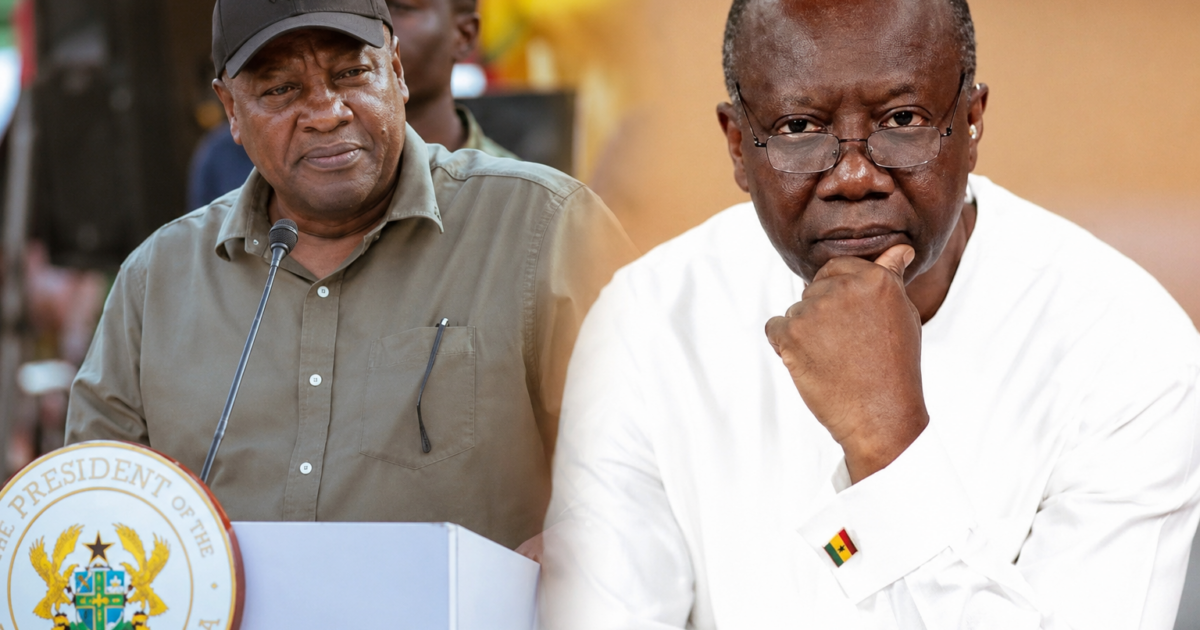

President John Dramani Mahama's recent public remarks inviting former Finance Minister Ken Ofori-Atta to return to Ghana have reignited a contentious debate about due process, institutional trust, and the delicate balance between accountability and constitutional protections in Ghana's democracy.
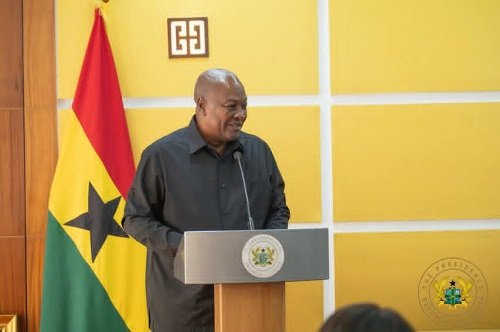
Speaking at a public gathering, President Mahama used humour to appeal to Ofori-Atta, noting that his children reportedly miss their father and suggesting he should come home. The President offered assurances of security and promised that any legal matters would be handled through proper due process. On the surface, the remarks were light-hearted and drew laughter from attendees—a characteristic style for the President's political engagements.
However, beneath the apparent levity lies a more complex political reality that many Ghanaians cannot ignore.
The Shadow of the Controversial Raid
The invitation cannot be divorced from the controversial raid on Ofori-Atta's residence earlier this year. Security personnel entered his home while he was abroad, an action that triggered widespread criticism and public debate about whether proper legal procedures were followed. The incident became a flashpoint in national discourse over the treatment of a former government official.
In the aftermath, government officials, including Majority Leader Mahama Ayariga, publicly acknowledged the operation as unfortunate and expressed regret over how it was conducted. Senior government figures conceded that the raid should not have proceeded in the manner it did. These admissions themselves signalled institutional concerns about how the matter had been handled.
For many Ghanaians, those events remain vivid and troubling. This context makes presidential assurances about security and due process carry less weight than they might otherwise. Trust, once fractured through controversial actions, is extraordinarily difficult to rebuild through words alone.
The Rule of Law and Democratic Credibility
This situation extends far beyond one individual's personal circumstances. It raises fundamental questions about how Ghana balances legitimate criminal investigations against respect for constitutional rights, the presumption of innocence, and public confidence in state institutions.
Every citizen—regardless of political affiliation, current position, or past service—deserves the protections enshrined in Ghana's Constitution and laws. Simultaneously, allegations of wrongdoing involving public officials warrant fair, independent, and transparent investigation. The challenge lies in achieving both simultaneously.
Strong democracies are not measured by how they treat those in agreement with those in power, but rather by how equitably they treat those facing investigation or criticism. The principle that justice must not only be done but must also be seen to be done is central to public confidence in any nation's legal system. When procedures appear arbitrary or politically motivated—whether or not they actually are—confidence erodes.
What This Means for Ghana's Institutions
Reports indicate that Ofori-Atta currently resides in the United States with proper legal authorisation. Whether he returns to Ghana is ultimately his decision, informed by his legal advisers and personal assessment of safety and fairness. That he remains abroad speaks to his own concerns about the institutional environment.
If Ghanaian authorities possess sufficient evidence for legal action, established mechanisms exist within Ghana's legal framework to pursue such matters, including through the courts and, where appropriate, international legal cooperation. Any proceedings must remain strictly within constitutional and legal parameters.
The ultimate determination of guilt or innocence belongs to the judiciary, not to politicians or public discourse. This principle is non-negotiable in constitutional democracies.
President Mahama's invitation, regardless of intent, highlights a deeper challenge: whether Ghana's institutions can restore and maintain the confidence of citizens, whether currently in or out of government. Political speeches energise supporters and public humour entertains audiences, but neither substitutes for transparent, professional, and politically impartial justice.
Ghana's democratic future will be determined not by whether a former Finance Minister returns home, but by whether the nation's institutions consistently demonstrate fairness, independence, and respect for the rule of law. That is the conversation Ghanaians should be having.
Source: MyJoyOnline



Comments (0)
Be the first to comment.