
No official is above the law, Ghana's government insists amid selective justice concerns


Ghana's government has reaffirmed its commitment to holding public officials accountable regardless of their position, amid growing criticism from the opposition that ongoing investigations appear to target only former government appointees.
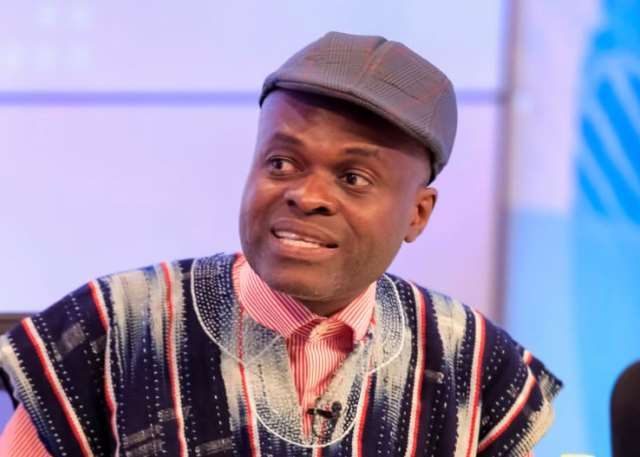
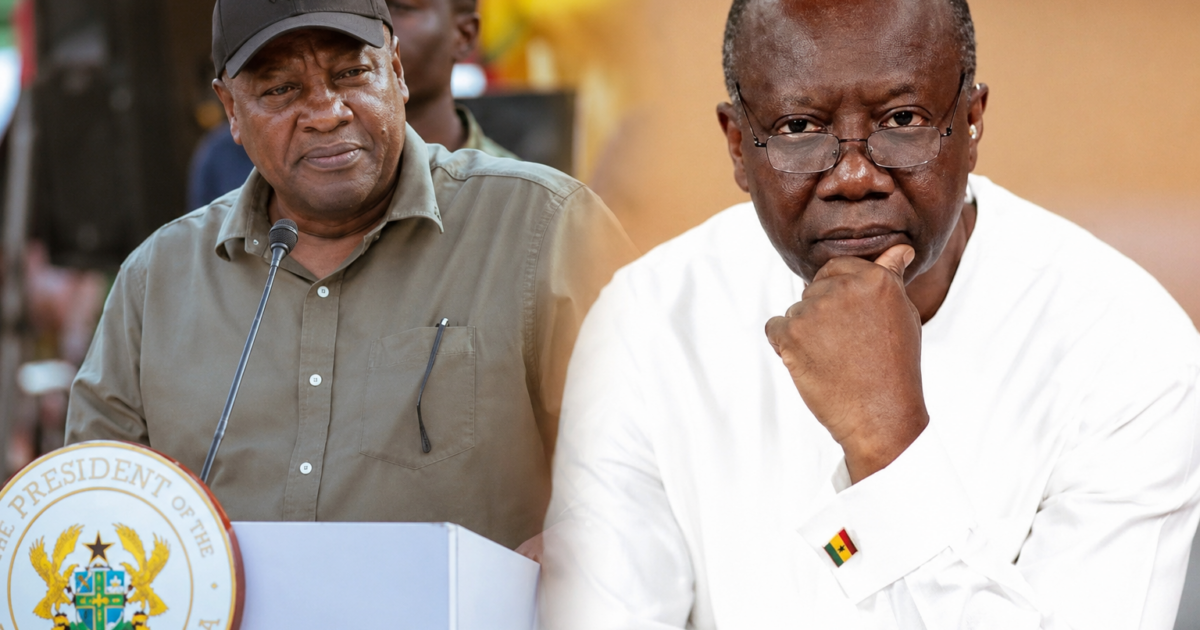
James Enu, Vice Chairman of Parliament's Constitutional and Legal Affairs Committee, defended President John Mahama's assertion during an interview on JoyFM on Friday, stating that the administration will not shield any official found to have violated the law. His comments directly address concerns raised by the New Patriotic Party (NPP), which has questioned why investigations by state agencies seem focused exclusively on former government officials while serving appointees of the ruling National Democratic Congress (NDC) face no similar scrutiny.
Government's Accountability Position
According to Enu, the President's message is unambiguous: anyone who breaks the law, regardless of their rank or political affiliation, will face due process. "This is a government that has demonstrated that it's not going to shield anybody," he stated. "If any member of the government in power is found on the wrong side of the law, I believe that the necessary legal processes are going to be triggered, due process will be followed, and the person will be dealt with."
The legislator emphasised that the government's actions are guided by proper legal procedures rather than political considerations. He insisted that the President's remarks should reassure ordinary Ghanaians that the administration is committed to impartial justice, with Mahama's statement serving as "exactly the assurance the President is giving to the good people of Ghana."
The Investigation Timeline Question
Enu also addressed opposition claims that the pace and pattern of investigations suggest selective justice. He explained that corruption and criminal investigations typically operate differently than public perception might suggest. Authorities generally spend considerable time conducting intelligence gathering and evidence collection before making arrests or inviting suspects for questioning.
"A lot of these investigations start way back underground by way of gathering intelligence," Enu noted. "Therefore sometimes it's not just as if once they get the information they go right out to arrest." He highlighted that substantial backroom work precedes any public action, meaning investigations may have been ongoing long before they become visible to the public eye.
Why It Matters for Ghana
This statement comes at a critical moment for Ghana's judicial independence and democratic credibility. The country has a history of politically motivated prosecutions that have undermined public confidence in the justice system. The selective prosecution debate raises fundamental questions about whether Ghana's institutions can deliver impartial justice or whether legal processes remain tools of political power.
For ordinary Ghanaians, the credibility of these assurances depends on consistent application. If investigations continue to focus primarily on opposition figures while serving officials escape scrutiny, public trust in democratic institutions will further erode. Conversely, demonstrated commitment to investigating wrongdoing across party lines would strengthen Ghana's democratic foundations and rule of law.
The tension between these competing interests reflects broader anxieties about governance in Ghana, where corruption remains a significant challenge and citizens have witnessed repeated cycles of parties using state machinery against opponents. Whether this government's pledge proves meaningful or merely rhetorical will likely define public perception of its tenure.
Source: MyJoyOnline


Comments (0)
Be the first to comment.