
Three Ghanaian Organisations Land FIFA Education Grants Worth Millions as World Cup Fund Hits $60M Target
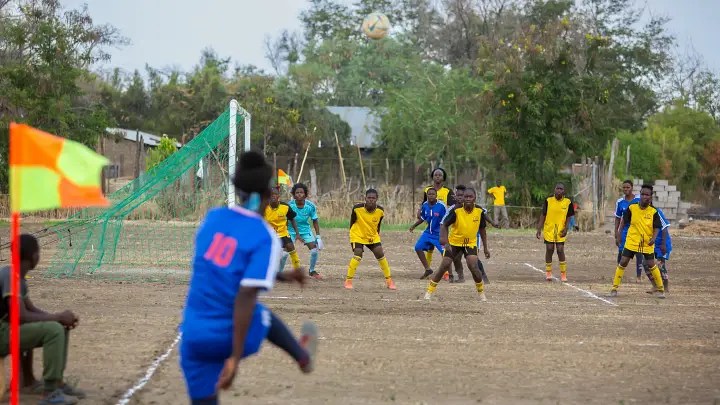
Three Ghanaian non-governmental organisations have secured grants from the FIFA Global Citizen Education Fund, a major philanthropic initiative that has now mobilised USD $60 million to support education and sports programmes for disadvantaged children worldwide. The announcement, made at a pledging summit in New York, marks a significant boost for grassroots development work in Ghana as the world prepares for the FIFA World Cup 2026.
AfriKids, Challenging Heights and EduSpots are among 58 organisations across 18 countries selected to receive funding ranging from USD $50,000 to USD $250,000. The three Ghanaian groups collectively serve thousands of vulnerable young people, addressing critical gaps in education access, child protection and community-led learning across the country.
How Ghanaian Organisations Will Use the Funds
AfriKids, which operates in Northern Ghana, provides quality education whilst strengthening child protection and health through community-based programmes. The organisation has long worked in regions where educational infrastructure remains limited and poverty affects schooling outcomes.
Challenging Heights focuses on rescuing young people from trafficking and economic exploitation, offering long-term survivor support and working with communities to prevent exploitation before it occurs. This grant provides crucial resources to expand their protective and rehabilitative services.
EduSpots has pioneered a decentralised model across Ghana, empowering local communities to design and sustain their own learning initiatives through 50 community-owned learning hubs. The funding will help strengthen and expand this innovative approach to grassroots education delivery.
Why It Matters for Ghana
Ghana faces persistent challenges in education access and quality, particularly in rural and economically disadvantaged areas. The FIFA fund arrives at a critical moment: global education aid is declining sharply, with international support projected to fall by approximately one-quarter. Many developing nations are experiencing cuts exceeding 40 percent, threatening progress on education and child protection.
The $60 million FIFA initiative represents a countercyclical investment, stepping in precisely when government aid is retreating. For Ghana specifically, these grants address recognised vulnerabilities: child trafficking remains a concern in certain regions, rural education quality lags urban standards, and many communities lack adequate learning infrastructure.
The initiative combines education, sport, nutrition and health services—a holistic approach recognised as more effective for children in high-poverty contexts. Several grant recipients operate in areas where fewer than 15 percent of students complete secondary school and poverty rates exceed 60 percent.
Broader Context and Funding Sources
The FIFA Global Citizen Education Fund, launched just over a year ago, has mobilised commitments from governments (including Canada, Portugal, Sierra Leone and Zambia), international agencies like Belgium's Enabel, major corporations including Fox Corporation and AT&T, and individual donors. The United Arab Emirates committed $5 million; Qatar provided anchor funding for Middle East and North Africa programmes. Proceeds from major sporting and music events, including the FIFA Club World Cup 2025 and World Cup 2026, also fund the initiative.
The programme ensures that FIFA World Cup 2026 generates lasting development impact beyond the tournament itself. By supporting proven community-based models, the fund aims to create sustainable pathways to opportunity for over 400,000 children globally—a significant proportion now benefiting from the second cohort of grants.
For Ghana, the selection of three grantees underscores international recognition of existing quality work by local organisations, whilst providing the financial muscle needed to scale impact in communities where need is greatest.
Source: Ameyaw Debrah


Comments (0)
Be the first to comment.