
Transparency Crisis: Amin Adam Demands GoldBod Reveal Foreign Buyers as Ghana Gold Sales Spark US$1.7bn Loss Scandal
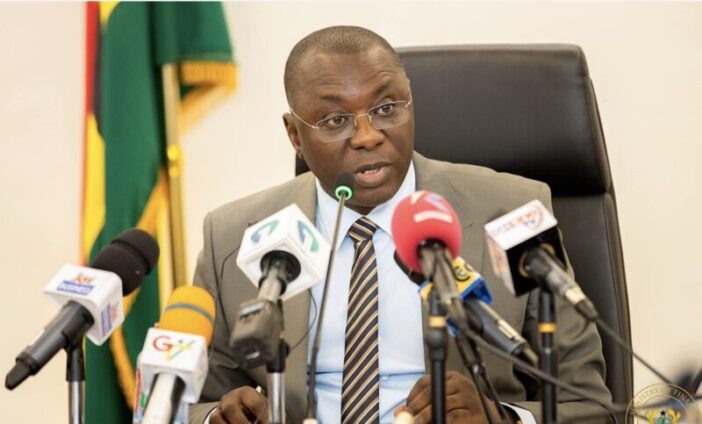

Ghana's gold export operations have descended into a transparency crisis, with former Finance Minister Dr. Mohammed Amin Adam launching a scathing critique of the Ghana Gold Board (GoldBod) for its refusal to publicly name the foreign buyers of the nation's precious metal. His demands come as the country grapples with reported losses of US$1.7 billion under the Domestic Gold Purchase Programme in 2025, raising serious questions about accountability and potential financial mismanagement in one of Ghana's most critical revenue-generating sectors.
Speaking to journalists on Tuesday, September 1, Dr. Amin Adam expressed deep concern about the lack of disclosure surrounding GoldBod's gold transactions. He questioned the fundamental transparency of the state agency's operations, noting that the Gold Board has never published the names of purchasing companies despite legal requirements to do so. According to him, Section 42 of the Ghana Gold Board Act mandates quarterly public reports—reports that, he claims, have never materialised in any meaningful public forum.
The Scale of Ghana's Gold Exports and Pricing Losses
The data underlying the controversy is substantial. GoldBod exported approximately 103.8 tonnes of gold sourced from small-scale miners in 2025, with an overwhelming 98.8% of this volume directed to just two destinations: India and Dubai. This concentration, combined with aggressive discount pricing offered to buyers in those markets, has cost Ghana significantly. Dr. Amin Adam highlighted that the pricing arrangements alone resulted in Ghana forfeiting approximately US$450 million—a figure he attributed to the heavy discounts buyers demanded in exchange for faster payment terms.
The former Finance Minister drew a troubling parallel between the lack of transparency surrounding GoldBod sales and the smuggling of gold out of Ghana. He cited an International Monetary Fund estimate indicating that approximately US$11.4 billion worth of small-scale mining gold was illegally smuggled from Ghana between 2019 and 2024. His central argument: when neither the public nor oversight bodies can identify who purchased Ghana's gold or on what terms, the distinction between legitimate export and smuggling becomes dangerously blurred.
Why This Matters for Ghana's Gold Sector and International Standing
Dr. Amin Adam's intervention carries implications far beyond the immediate US$1.7 billion loss. He warned that loss of access to major international gold refiners, or formal restrictions imposed by bodies such as the London Bullion Market Association over sourcing concerns, could impose financial consequences significantly exceeding the current disputed losses. Such international restrictions could effectively lock Ghana out of premium gold markets, drastically reducing the value realised from the nation's mineral exports.
The governance failure extends beyond buyer anonymity. Dr. Amin Adam also criticised the government's recent decision to scrap the 1.5% withholding tax on unprocessed gold from small-scale miners, arguing the move weakens revenue collection and accountability mechanisms within the gold supply chain at precisely the moment when transparency is most needed.
His calls for transparency have intensified an existing dispute between Minority Leader Alexander Afenyo-Markin and GoldBod Chief Executive Officer Sammy Gyamfi, with both sides demanding accountability for the DGPP losses. The broader context—involving an IMF-flagged smuggling crisis, international reputational concerns, and now domestic governance questions—suggests Ghana's gold sector faces a critical accountability moment that could reshape how the state manages one of its most valuable assets.
Source: The Ghana Report





Comments (0)
Be the first to comment.