IMF Upgrade Recognition of Progress, but Ghana Must Stay Fiscally Disciplined — Jackson

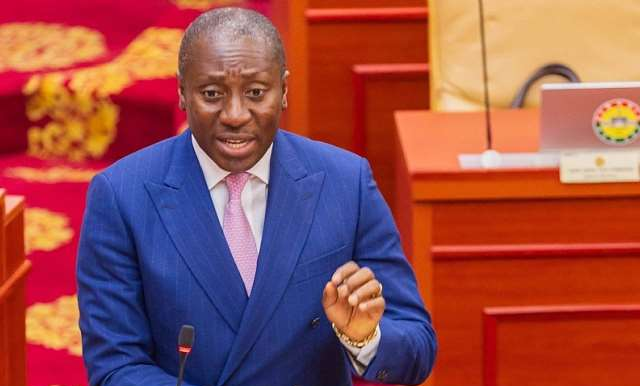
Ghana's recent upgrade from the International Monetary Fund has been received as a positive development, but economic analysts are cautioning that the achievement should not breed complacency in government spending. Speaking on Business Focus, prominent economist Joe Jackson stressed that whilst the upgrade represents meaningful recognition of Ghana's fiscal efforts, the country's underlying debt vulnerabilities remain a pressing concern that demands sustained policy discipline.
Jackson's intervention reflects a broader caution within Ghana's economic circles about reading too much into positive IMF assessments. The Fund's upgrades typically reflect improved performance against agreed benchmarks, but they do not signal that structural economic challenges have disappeared. For Ghana, which has navigated a debt crisis in recent years, the distinction is crucial.
What the Upgrade Actually Represents
IMF upgrades serve as external validation of a government's commitment to macroeconomic stability and agreed reform programmes. They can unlock investor confidence, improve credit ratings, and create space for lower borrowing costs. However, Jackson's warning underscores that such milestones are checkpoints, not destinations. Ghana's debt-to-GDP ratio, though improving, remains elevated by regional standards, and revenue generation continues to lag behind spending pressures across health, education and infrastructure.
The economist's emphasis on fiscal discipline speaks to a pattern of concern: governments sometimes ease spending restrictions after receiving positive external reviews, only to find themselves back in crisis within years. For Ghana, which exited an IMF programme relatively recently, maintaining the habits of restraint is essential to preventing a return to the conditions that triggered earlier bailout arrangements.
Why It Matters for Ghana
Ghana's fiscal health directly affects ordinary Ghanaians. When government overspends and debt rises, currencies weaken, inflation accelerates, and purchasing power erodes. Recent years have taught Ghanaians the real cost of fiscal slippage: currency depreciation, high interest rates that squeeze businesses, and reduced government spending on services. Jackson's reminder that discipline must continue serves as a safeguard against repeating that cycle.
The IMF upgrade is legitimately positive — it validates Ghana's efforts to reduce deficits and improve revenue collection. But it is not permission to abandon the reforms that made the upgrade possible. Government must resist pressure to increase spending ahead of elections or to fund pet projects before revenue can sustainably support them.
The Road Ahead
Sustaining fiscal discipline requires political will and transparent public communication. It means continuing to broaden the tax base, improving tax compliance, and resisting the expansion of wage bills and subsidies that outrun revenue growth. It also means completing structural reforms in state-owned enterprises and ensuring that public investment delivers measurable returns.
Jackson's intervention, whilst delivered in technical terms, carries a message for policymakers and citizens alike: an IMF upgrade is a milestone, not a finish line. Ghana has made progress, but the work of building a truly resilient, low-inflation, sustainably-growing economy remains incomplete. Complacency now could undo the gains of recent years.
Source: 3News

Comments (0)
Be the first to comment.