IMF warns Ghana energy sector remains fiscal burden despite debt reduction gains
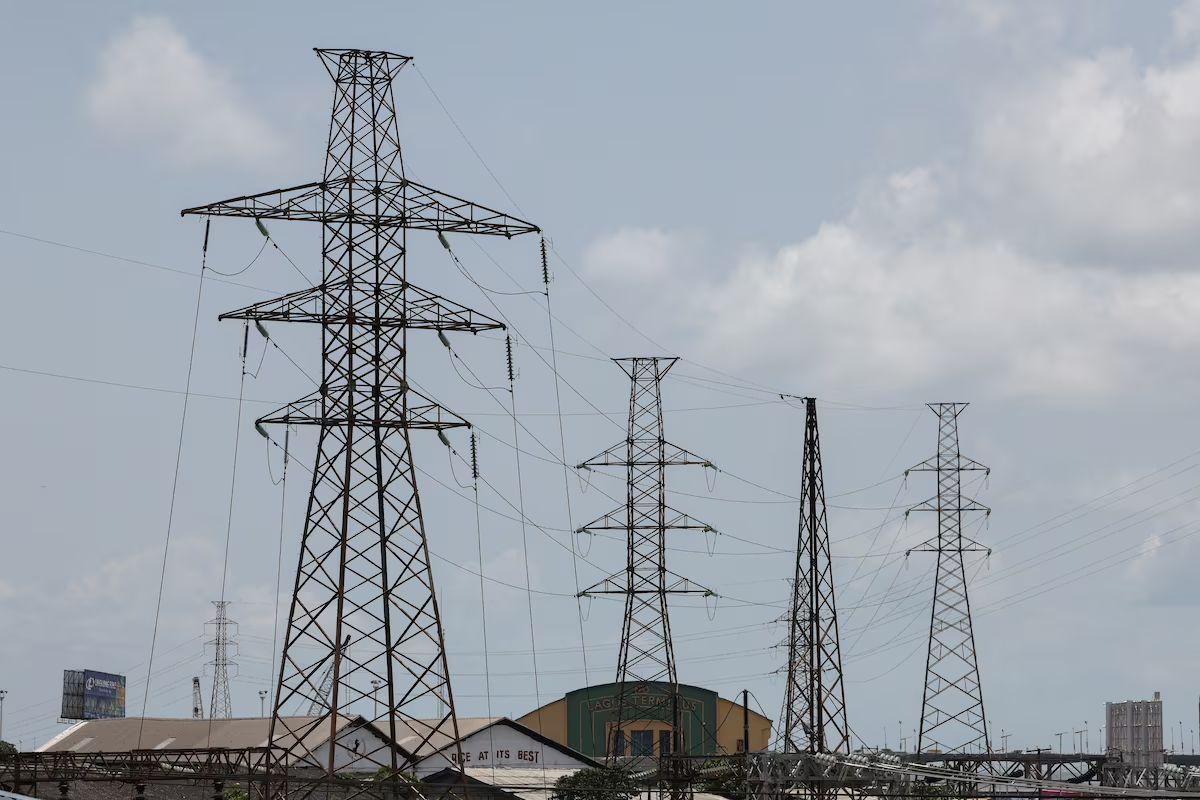
Ghana's energy sector continues to pose significant fiscal risks despite notable improvements in debt reduction and revenue collection, the International Monetary Fund has warned. While the country has made tangible progress in stabilising the troubled sector, structural challenges and collection inefficiencies mean the energy portfolio will remain a drain on public resources for years to come.
According to the IMF's latest assessment, the energy sector shortfall—the difference between revenues and operational costs—is projected to remain substantial at approximately US$1.1 billion in 2026. This figure underscores the persistence of deep-rooted problems including high distribution losses, expensive generation contracts laden with capacity charges and "take-or-pay" clauses that obligate Ghana to pay for power whether used or not, and legacy debts accumulated over years of underinvestment and mismanagement.
Progress made, but challenges persist
Ghana has nevertheless made measurable strides. The energy shortfall declined to US$1.4 billion (representing 1.2% of GDP) in 2025 from US$1.6 billion (1.4% of GDP) in 2024—a meaningful reduction achieved through several concurrent reforms. Tariff adjustments, improved revenue collection at the Electricity Company of Ghana, higher payments to suppliers via the Cash Waterfall Mechanism, currency appreciation of the cedi, and a shift away from expensive liquid fuel in the generation mix all contributed to this improvement.
The government has also aggressively addressed arrears to independent power producers and fuel suppliers. The Ministry of Finance disbursed approximately US$2 billion to these creditors in recent years, including replenishment of a World Bank-guaranteed letter of credit for gas from the Sankofa field. These efforts reduced the net payables owed to independent power producers and fuel suppliers from US$2.1 billion at the end of 2024 to US$1.7 billion by March 2026.
Strategic renegotiations of Power Purchase Agreements with independent power producers have also yielded savings, though precise figures have not been disclosed publicly.
Why it matters for Ghana
The energy sector's continued shortfall has profound implications for Ghana's broader fiscal health and development priorities. Every dollar spent subsidising or clearing energy debts is a dollar unavailable for education, healthcare, infrastructure, or poverty reduction programmes. The IMF's warning highlights that despite recent gains, Ghana remains trapped in a cycle where energy costs consume a significant portion of government revenue.
The Fund specifically identified institutional weaknesses as a critical barrier to sustained progress. Uneven enforcement of tariff adjustment mechanisms and the Cash Water Mechanism guidelines mean the sector remains vulnerable to political interference, particularly during election cycles when governments may hesitate to implement necessary but unpopular tariff increases. This pattern has historically stalled reforms, allowing inefficiencies to resurface.
Without comprehensive structural reforms—including addressing non-technical losses (theft and illegal connections), rationalising the expensive power generation portfolio, and strengthening institutional governance—Ghana risks repeating the mistakes that created the crisis. The energy sector must eventually transition from a fiscal burden into a productive contributor to economic growth, particularly as Ghana seeks to industrialise and attract manufacturing investment that depends on reliable, affordable electricity.
Road ahead
The IMF's cautious tone suggests that while the trajectory is positive, much harder work lies ahead. The legacy debt will require years of sustained fiscal commitment to clear. Institutional reforms must be insulated from political pressure to succeed. And the broader challenge of matching generation capacity to actual demand, rather than maintaining expensive oversupply, demands difficult decisions about which power plants to retire or renegotiate.
Ghana's energy transformation remains a work in progress—one that will shape the country's fiscal sustainability for the coming decade.
Source: MyJoyOnline
.jpg)

Comments (0)
Be the first to comment.