Energy sector delays costing Ghana $1bn yearly, World Bank warns amid recovery gains

Ghana is losing approximately $1 billion annually due to delays in implementing energy sector recovery programmes, according to the World Bank's latest economic assessment, casting a shadow over recent macroeconomic improvements and threatening the sustainability of the country's fiscal reforms.
Robert R. Taliercio, the World Bank's Division Director for Ghana, Liberia and Sierra Leone, made the disclosure at the launch of the organisation's Tenth Ghana Economic Update in Accra. He emphasised that persistent financial pressures in the energy sector represent one of the most significant domestic risks to Ghana's ongoing economic recovery and could potentially reverse gains achieved under the government's reform programme if left unaddressed.
The warning comes despite Ghana recording solid economic growth of 6% in 2025, which accelerated further to 6.4% in the first quarter of 2026. Public debt also improved notably, declining from 70.3% of GDP in 2024 to 49% by the end of 2025. However, the World Bank official cautioned that these headline figures mask deeper structural vulnerabilities that require urgent attention.
Structural weaknesses threatening fiscal stability
Beyond the energy sector, the World Bank identified additional fiscal pressures stemming from the Ghana Cocoa Board (COCOBOD), citing financial and operational inefficiencies that continue to drain public resources. Taliercio stressed that Ghana's recovery remains structurally incomplete and that maintaining fiscal discipline will be critical to sustaining recent gains. The energy sector, in particular, requires sustained structural reforms to improve both its financial performance and operational efficiency.
The $1 billion annual cost represents a substantial drain on public finances at a time when Ghana is trying to build fiscal buffers and attract private investment. The World Bank official argued that addressing energy sector challenges is essential not only for protecting Ghana's fiscal position but also for creating the conditions necessary to encourage stronger private-sector investment and support long-term economic growth.
Why it matters for Ghana
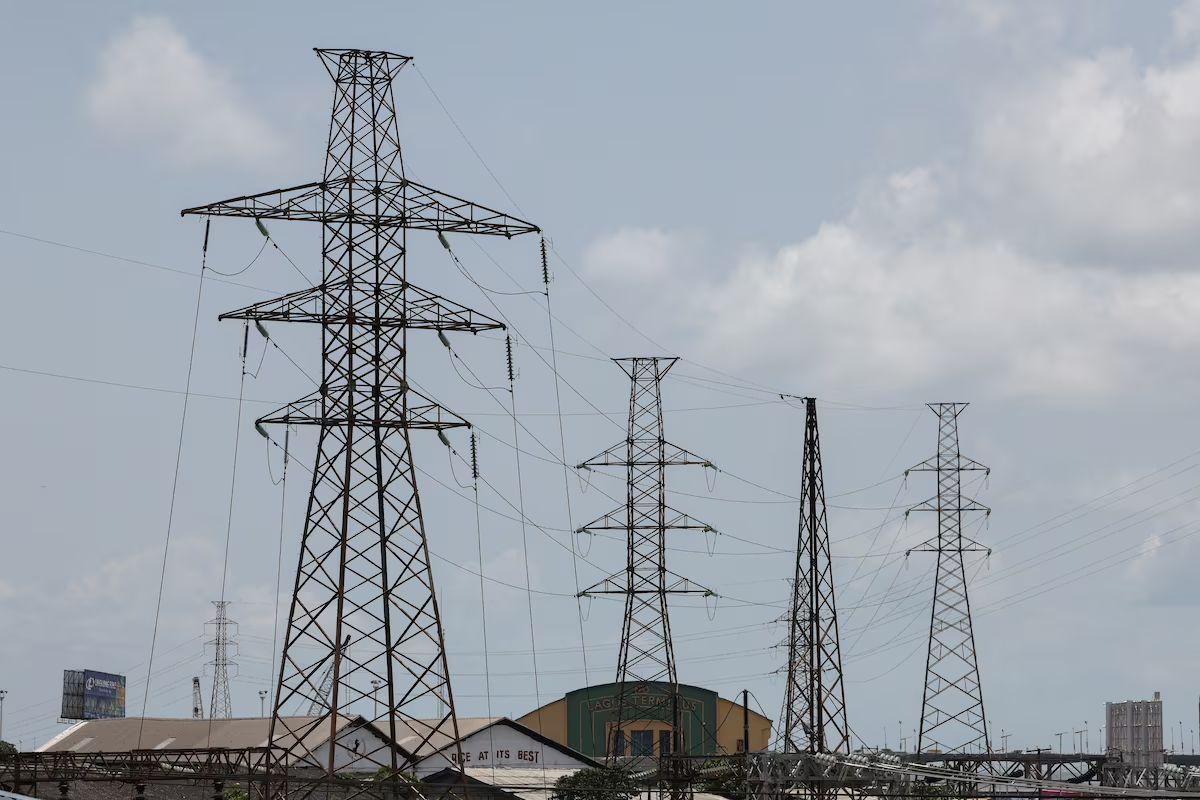
Ghana's energy sector has long been a source of economic strain, with issues including technical and commercial losses, arrears in payments between sector entities, and underperformance at key state-owned utilities. The $1 billion annual cost identified by the World Bank underscores the scale of these problems and their macroeconomic significance.
For ordinary Ghanaians, delays in energy sector reforms translate into continued pressure on government budgets, potentially limiting resources available for education, healthcare, and infrastructure investment. The delays also perpetuate an unreliable power supply that hampers business growth and competitiveness. Businesses, especially in manufacturing and services, depend on stable electricity supply to operate efficiently and remain competitive regionally.
The World Bank's warning also has implications for Ghana's debt trajectory. While the improvement in the debt-to-GDP ratio is encouraging, it remains vulnerable to shocks if fiscal discipline slips or if major drains like the energy sector continue unaddressed. Investors and development partners monitor such structural vulnerabilities closely when assessing Ghana's creditworthiness and willingness to finance future borrowing needs.
The government's success in stabilising the macro economy through its IMF-backed reform programme has created an opportunity window to tackle these deeper issues. However, the World Bank's message is clear: without decisive action on energy and other fiscal pressure points, the gains achieved so far risk being undermined.
Source: MyJoyOnline

Comments (0)
Be the first to comment.