Ghana's $1.46bn Heritage Fund faces critical review—Adongo warns against political raids on future generations' wealth
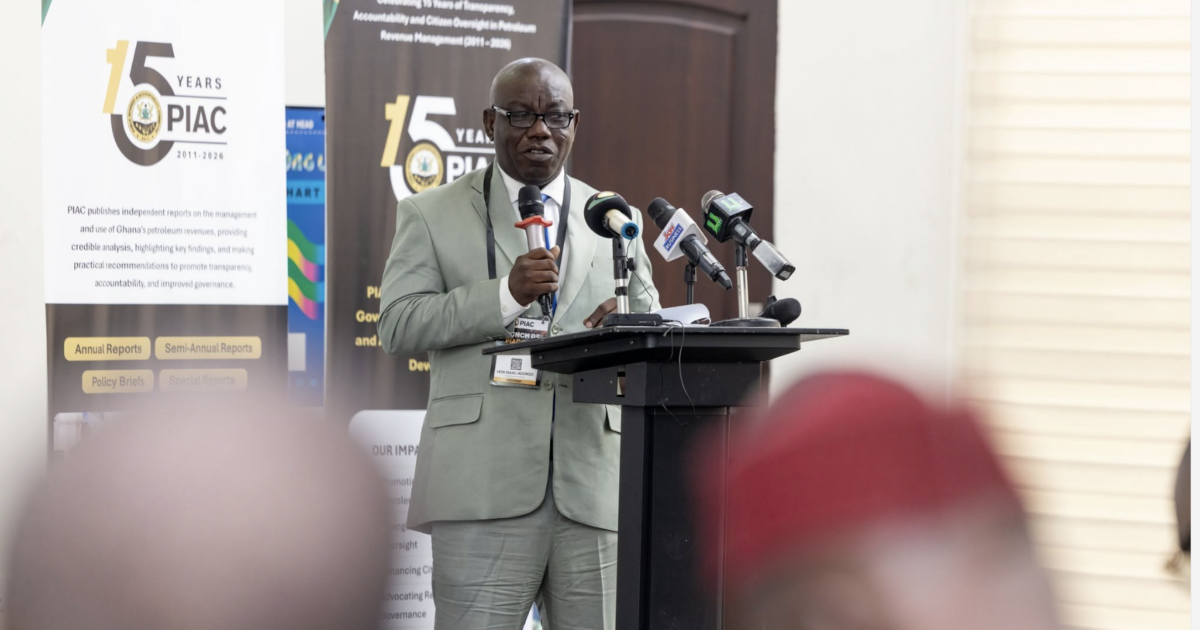
Ghana's $1.46 billion Heritage Fund—a sovereign wealth pot designed to protect petroleum revenues for future generations—is entering a pivotal review phase, and senior lawmakers are raising the alarm about political pressure to raid the coffers.
Isaac Adongo, Chairman of Parliament's Finance Committee and MP for Bolgatanga Central, made an impassioned call at a ceremony marking the Public Interest and Accountability Committee's 15th anniversary, urging all stakeholders to ring-fence the fund from short-term political interests. The blunt warning reflects deep anxiety that elected leaders may use the upcoming review to unlock restrictions on withdrawals for immediate political gain.
"If you leave us as politicians, we would like to take the money, spend it now, make a good name, and leave an empty bucket for you," Adongo said, articulating the very real temptation facing policymakers under electoral pressure.
What the Heritage Fund is and why the review matters
Established under the Petroleum Revenue Management Act 2011, the Heritage Fund was created to insulate part of Ghana's oil wealth from the spending whims of sitting governments. For 15 years, the law has prohibited withdrawals from the fund—a safeguard designed to force intergenerational thinking. However, the legislation allows for this withdrawal restriction to be reviewed and potentially relaxed every 15 years. That review window has now opened.
Under Section 10(4) of the Act, Parliament can pass a resolution to transfer portions of earned interest from the fund, and the core withdrawal restrictions themselves are subject to periodic reconsideration. This flexibility, while sensible in principle, has become a flashpoint for concern among fiscal hawks.
Adongo stressed that the review process must not weaken Ghana's commitment to petroleum savings. "Let's pray that that review doesn't stop the Heritage Fund altogether," he said, highlighting fears that political pressure could dismantle the mechanism entirely rather than merely relax it.
Ghana versus Norway: a cautionary contrast
Adongo drew a stark contrast between Ghana's approach to oil wealth management and Norway's, which has built one of the world's most substantial sovereign wealth funds by consistently ring-fencing petroleum revenues for future generations. Norway's disciplined approach stands in sharp relief to Ghana's experience.
Since oil production began in 2010, Ghana has allocated a substantial proportion of petroleum revenues to immediate consumption rather than long-term savings. This consumption-first approach has left comparatively fewer resources available for building financial buffers that could weather future economic shocks or support development when oil reserves deplete.
Adongo argued that Ghana is now at a critical juncture. Having already spent 15 years of its petroleum production window, the country needs stronger rather than weaker safeguards for the remaining productive years. He called for Ghana to deliberately establish mechanisms to set aside larger portions of oil income for sovereign wealth building, rather than continuing to prioritise short-term spending.
Why this matters for Ghana
The Heritage Fund review is far more than a technocratic exercise. It will shape whether Ghana's oil wealth serves as a foundation for long-term prosperity or becomes another squandered resource depleted by electoral cycles and patronage spending.
Ghana's oil reserves are finite. Production has already peaked and is declining, meaning the window for intelligent accumulation is narrowing. A weakened or dismantled Heritage Fund would mean losing a crucial tool to invest petroleum wealth in infrastructure, education, or reserves that could stabilise future budgets when production ends.
The political economy is precarious: any government facing fiscal pressure or electoral competition will find the Heritage Fund tempting. Adongo's warning reflects the need for a cross-party consensus that places long-term national interest above immediate political benefit—a difficult ask in competitive democracies, but essential for Ghana's fiscal future.
The PIAC's 15-year milestone, marked under the theme "Advancing Resource Governance through Transparency and Accountability," underscores that vigilant oversight and public pressure will be critical to ensuring the review strengthens rather than dismantles intergenerational equity protections.
Source: MyJoyOnline


Comments (0)
Be the first to comment.