
Mahama emphasises religious diversity as Ghana's greatest strength at global Assemblies of God Congress
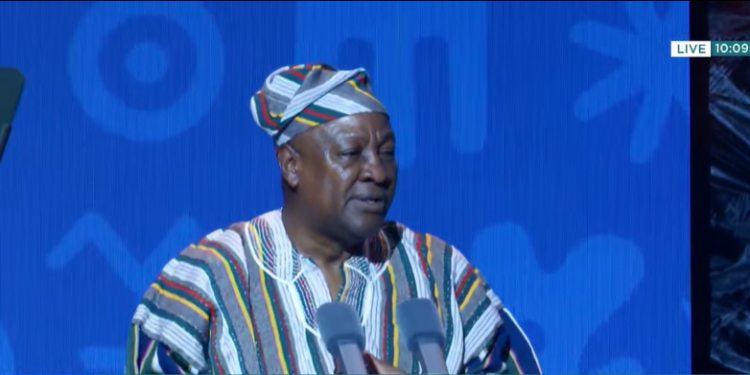
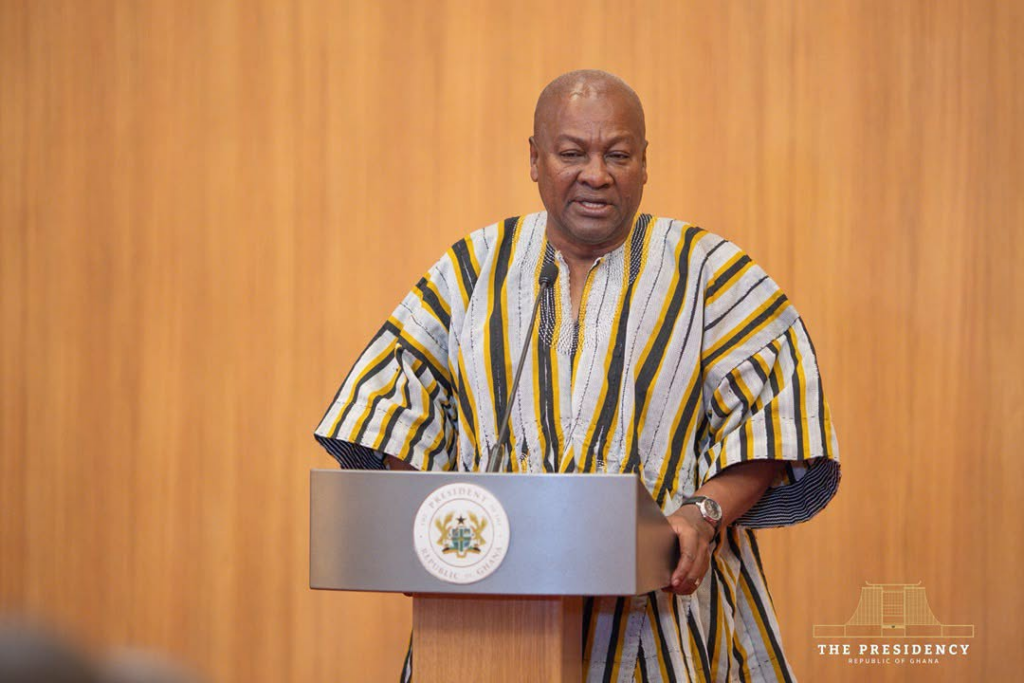
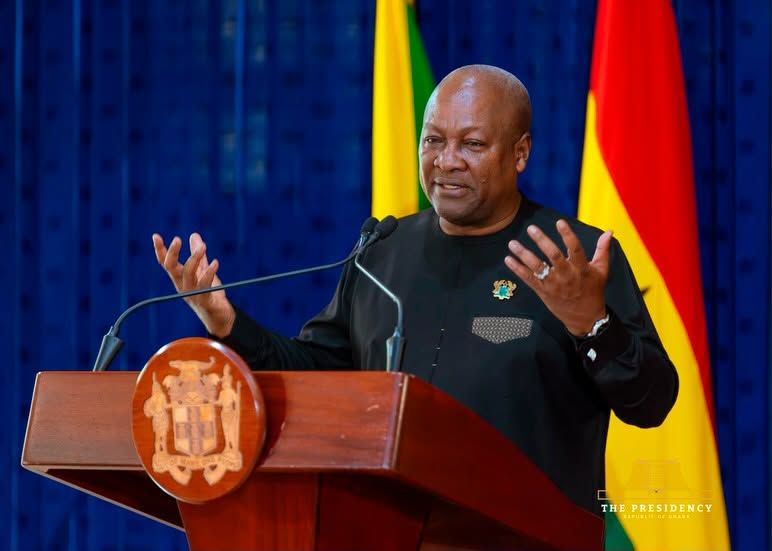
President John Dramani Mahama has reinforced Ghana's reputation as a beacon of religious tolerance, declaring that the nation's multi-faith character represents one of its most valuable assets. Speaking at the 10th World Assemblies of God Congress in Accra on Wednesday, October 14, Mahama underscored that his constitutional obligations as head of state transcend personal religious conviction, requiring him to govern with equal regard for Christians, Muslims, traditional religious practitioners and non-believers alike.
The President's remarks come amid broader global concerns about religious polarisation and sectarian tensions. In Ghana's context, where Christians and Muslims comprise the vast majority alongside significant traditional and non-religious populations, Mahama's emphasis on fairness signals a deliberate political stance that peaceful coexistence depends on deliberate institutional and personal commitment.
Mahama acknowledged that his approach to religious inclusivity has occasionally prompted scrutiny from some Christian leaders questioning the depth of his personal faith. He responded by distinguishing between private religious conviction and public duty, arguing that both can coexist legitimately. "My Christian faith remains a source of strength," he said, "but it cannot override my constitutional duty to every Ghanaian."
A personal foundation for national policy
The President drew on his own upbringing to illustrate how religious difference need not fracture family bonds or communal harmony. Growing up in a multi-faith household, Mahama noted that theological differences among his siblings had not diminished their mutual affection or respect—a lived example he presented as a model for national relations.
This personal narrative carries particular weight in Ghanaian political discourse, where family structures and kinship remain powerful metaphors for national cohesion. By positioning his childhood experience as foundational to his presidential philosophy, Mahama linked individual and collective identity in ways that resonate with Ghanaian audiences who understand loyalty and unity through familial frameworks.
Why it matters for Ghana
Ghana's standing as one of Africa's most stable democracies rests partly on its track record of religious coexistence. Unlike several neighbours, the country has avoided large-scale religiously motivated violence, though occasional tensions and micro-conflicts have surfaced. Mahama's public articulation of religious pluralism as a policy priority reinforces institutional commitment to this stability at a time when global and regional pressures test social cohesion.
The President's call also carries implications for state resource allocation, religious affairs regulation and the symbolic authority of the presidency. When a sitting head of state emphasises equal treatment across faith communities, it sets expectations for how public institutions—from security services to education ministries—should operate. It also legitimises minority faith communities' claims on state attention and protection.
Additionally, Mahama's address to the Assemblies of God—a predominantly evangelical Christian congregation—demonstrates how political leadership can balance sectarian engagement with universal principles. Rather than delivering narrowly tailored messaging, he used the platform to articulate a state philosophy applicable beyond his immediate audience.
The church's role in national development
Mahama called on religious institutions to serve as agents of development by promoting honesty, compassion, responsible citizenship and peace. Simultaneously, he affirmed the church's prophetic function—its right and duty to critique injustice and suffering. This framing acknowledges both the resources religious organisations bring to development and their independence as civil society actors, a balance critical to functioning pluralist societies.
The emphasis on churches maintaining independence while contributing to state-defined development goals reflects Ghana's evolving conversation about religion's public role—neither marginalised nor captured by political power.
Source: Today GH
Comments (0)
Be the first to comment.