Mahama shifts National Cathedral funding model: Christians urged to contribute GH¢1,000 each instead of taxpayer money
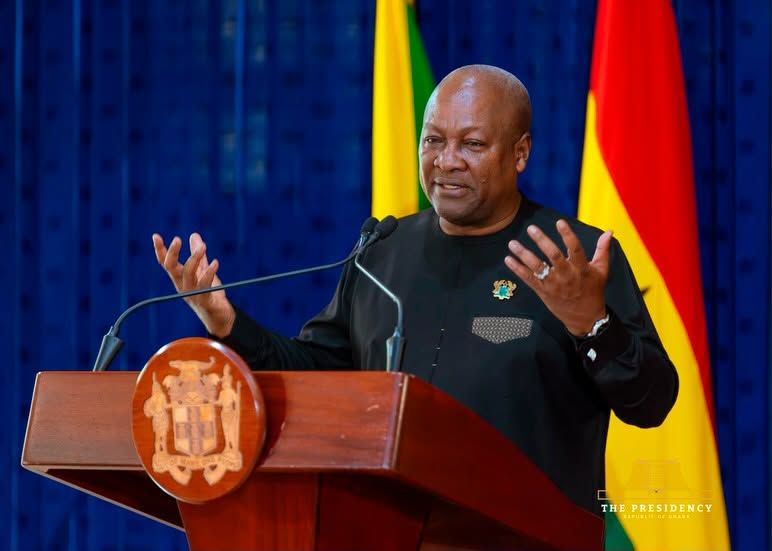
President John Mahama has reignited debate over Ghana's National Cathedral by proposing a radical shift in how the project should be financed. Speaking on the matter, Mahama argued that taxpayers should not bear the burden of completing the cathedral, instead suggesting that Christian citizens could fund it entirely through individual contributions of GH¢1,000 each.
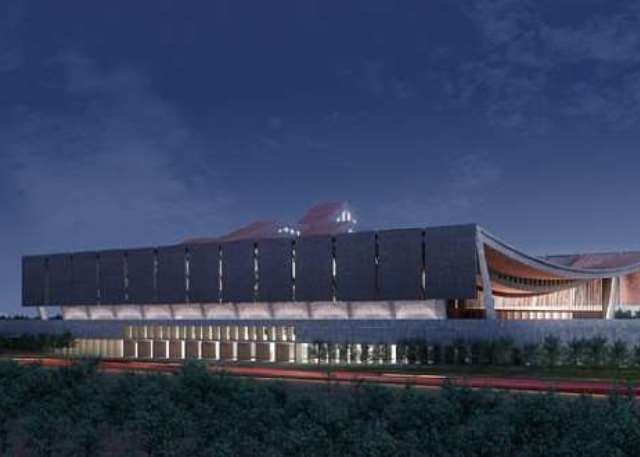
The statement comes as the National Cathedral project remains incomplete after years of construction and mounting financial challenges. The proposed House of Prayer has become a contentious symbol of public spending and religious commitment in Ghana, with the project having consumed significant state resources whilst facing repeated delays and budget overruns.
The backdrop: years of controversy
Ghana's National Cathedral has been a lightning rod for criticism since its inception. The project, championed as a landmark religious and cultural monument, was launched with much fanfare but has struggled to meet construction deadlines and financial targets. Over the years, concerns have mounted about the appropriateness of using public funds—generated from taxpayers regardless of their faith—to construct a facility that serves a specific religious community.
The debate intensified as Ghana faced competing fiscal pressures, including infrastructure deficits in healthcare, education and transportation. Critics questioned whether a national monument to Christianity represented an appropriate use of limited government resources, whilst supporters argued it would benefit Ghana's tourism and cultural standing.
Why this matters for Ghana
Mahama's intervention on this issue reflects broader tensions in Ghana about the relationship between state resources, religious expression and public accountability. His proposal to crowdfund the cathedral through Christian communities speaks to a pragmatic political position—acknowledging public frustration with state funding whilst respecting the project's religious significance.
If implemented, a GH¢1,000-per-person contribution model would test whether Ghana's Christian majority has genuine appetite to fund the project collectively. It also raises practical questions: Would such fundraising be compulsory or voluntary? How would a church-led campaign operate transparently? Would the government provide any land or infrastructure support?
For ordinary Ghanaians, the proposal essentially asks whether they personally value the cathedral enough to contribute their own money, rather than having it funded through taxation. This framing may resonate with taxpayers who felt the original approach lacked accountability, whilst potentially energising religious communities to demonstrate their commitment.
The political calculation
Mahama's stance also represents a shift from previous positions in Ghana's political cycle, where the National Cathedral has been championed by different administrations with varying degrees of commitment. By proposing that Christians fund it themselves, he avoids the appearance of abandoning the project whilst simultaneously addressing the public's legitimate concerns about fiscal discipline and equitable use of tax revenue.
The cathedral remains a test case for how Ghana balances national pride projects with transparent, accountable governance—and whether religious and civic aspirations can be reconciled without creating public resentment.
Source: 3News
Comments (0)
Be the first to comment.