
Legal Expert Warns Against Repeating Tribunal Past as Ghana Considers New Justice System
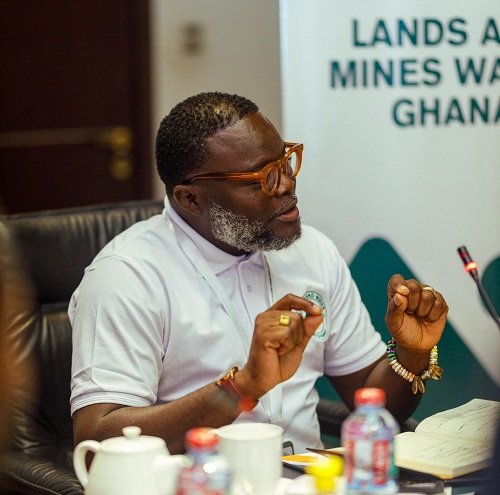

Ghana's plans to reintroduce a tribunals system have drawn caution from a prominent legal expert, who is calling for extensive national consultation before the proposed Tribunals Bill moves forward. Kwame Owusu Danso, Executive Director of Lands and Mines Watch Ghana, has warned that the country must approach this reform carefully, given the deep scars left by tribunal systems of the past.
Speaking on Joy News on Monday, 20 July 2026, Owusu Danso emphasised that many Ghanaians still carry painful memories of how tribunals were weaponised during previous regimes. He argued that if government intends to resurrect a system that caused such harm, it must take measured steps to rebuild public confidence and demonstrate that history will not repeat itself.
Historical Concerns and the Appointment Question
The main flashpoint in Owusu Danso's critique centres on a provision allowing non-lawyers to serve on tribunal panels. He drew a direct line to the 1980s tribunal system, where this same arrangement existed. Although he acknowledged that appointment criteria may exist on paper, he expressed serious concern about who holds the power to make those appointments.
According to Owusu Danso, permitting political authorities to appoint non-lawyer tribunal members creates an inherent risk of partisan influence. "The fact that non-lawyers will be appointed by political people means politics cannot be separated from the process," he stated. "That could open the door to extreme partisan politics, and we ought to be very careful."
This concern reflects a broader anxiety about the independence of the judiciary and tribunal systems from executive or partisan interference—a principle that sits at the heart of rule of law in any democratic society.
Why It Matters for Ghana
Ghana's justice system is one of the cornerstones of its democratic institutions, and public trust in that system is essential for the rule of law to function. Any reform that risks undermining that trust, even unintentionally, threatens the broader legitimacy of Ghana's legal framework.
The country has made significant strides in recent decades to distance itself from authoritarian practices, including the misuse of courts and tribunals to suppress dissent. For many Ghanaians—particularly older generations who lived through those eras—the mention of tribunals can trigger genuine anxiety.
Owusu Danso's call for broad consultation is therefore not merely procedural niceties; it reflects a practical necessity. If government proceeds without adequately addressing public concerns and historical trauma, it risks creating a system that citizens view with suspicion from inception. A tribunal system that lacks public confidence will struggle to command respect and obedience, ultimately weakening rather than strengthening Ghana's justice sector.
The legal expert stressed that any judicial reform must inspire public confidence and ensure that people can appear before courts and tribunals without fear or prejudgement about outcomes. For Ghana to move forward with tribunals—if it chooses to do so—transparency, stakeholder engagement, and safeguards against political manipulation will be non-negotiable.
Source: The Ghanaian Times


-1200x675.webp)
Comments (0)
Be the first to comment.